
Travelling to Singapore – a futuristic city, culture in the melting pot and world-class food
Singapore is one of Asia’s most striking and unique destinations – an ultra-modern city-state where futuristic architecture, green public spaces and cultural diversity exist side by side. On an area smaller than Bornholm, Singapore has created a global metropolis that combines efficiency, safety and innovation with deep cultural roots and a vibrant everyday life.
For many travellers, the city serves as the perfect introduction to Asia. English is an official language, the infrastructure is world-class, and the city is known for its order and sense of security. At the same time, Singapore is far from sterile or dull – on the contrary, the city is full of life, contrasts and a constant pulse that makes it a fascinating destination.
The metropolis can be experienced both as a destination in its own right and as a stopover on longer journeys through Asia. Whether you are seeking big-city experiences, gastronomy, culture, architecture, or simply a comfortable stay of high quality, Singapore delivers at a level that few other cities can match.
📄Quick overview
- Best time to travel: All year round (tropical climate)
- Languages: English, Chinese (Mandarin), Malay, Tamil
- Currency: Singapore dollar (SGD)
- Transport: Efficient metro (MRT), buses and taxis
- Price level: High (cheap food – expensive accommodation)
- Ideal for: City breaks, gastronomy, culture, stopovers
Top areas: Marina Bay • Chinatown • Little India • Kampong Glam • Orchard Road • Sentosa
💡Traveltalk Tip
Plan your days by neighbourhood – Singapore is compact, but packed with experiences.
Insider Tip
Eat where the locals eat: hawker centres such as Maxwell, Lau Pa Sat and Tiong Bahru Food Centre.
Hidden gems
- Tiong Bahru
- Southern Ridges Walk
- Joo Chiat & Katong
Price examples: Hawker meal: approx. DKK 30–60.
Cocktail at a rooftop bar: approx. DKK 120–180.
🌎 Other media from Leisure Media Group
- traveltalk.travel – international travel site focusing on independent travellers
- winetalk.dk – Danish-language wine magazine with extensive coverage of wine and food
- worldsporttalk.com – top-level sport from around the world only: football, golf, tennis, Formula 1 and more
Why travel to Singapore?
Singapore is an obvious choice for travellers who want an Asian city with high comfort, efficient transport and clear structures. It is a place where everything works – from public transport and the airport to hotels, restaurants and sights.
The city is known for its ability to combine tradition and innovation. Historic temples, colonial buildings and traditional quarters sit side by side with skyscrapers, futuristic gardens and pioneering urban development projects. This balance makes Singapore a destination that feels both modern and culturally grounded.
Singapore is Asia’s green city
Gastronomy of truly world-class standard
Singapore is one of the world’s leading food cities. The city’s famous hawker centres serve authentic dishes from Chinese, Malay and Indian cuisines – often at very low prices and of high quality. At the same time, Singapore has an impressive number of Michelin restaurants, which makes the city unique in combining street food and fine dining at the same level.
Cool restaurants & high-class hangouts in Singapore
Chinese food from Beijing to Shanghai
Architecture, design and urban development
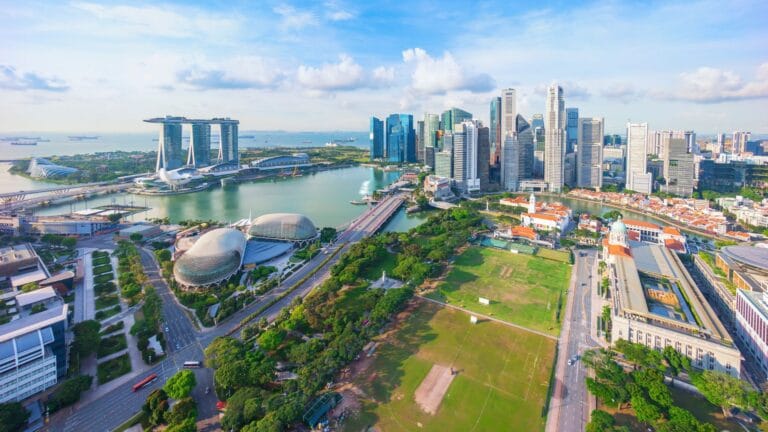
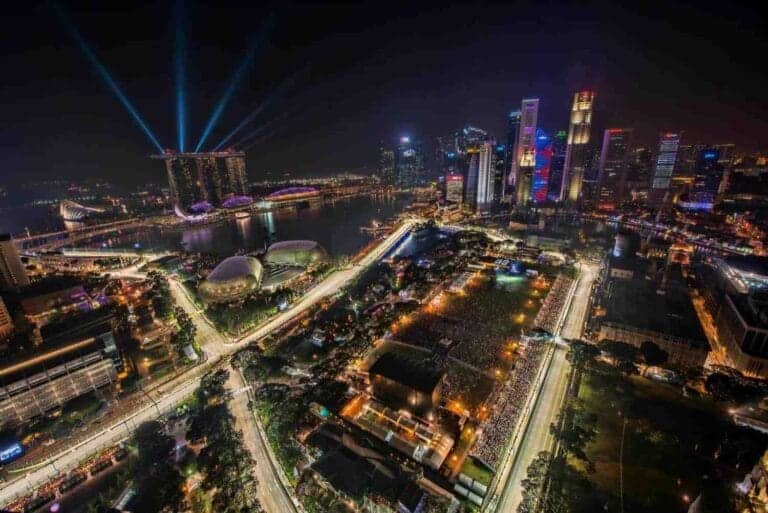
From Marina Bay Sands and Gardens by the Bay to innovative residential areas and futuristic metro stations, Singapore serves as a living laboratory for modern urban development. The city is known for thinking long-term, sustainably and with vision.
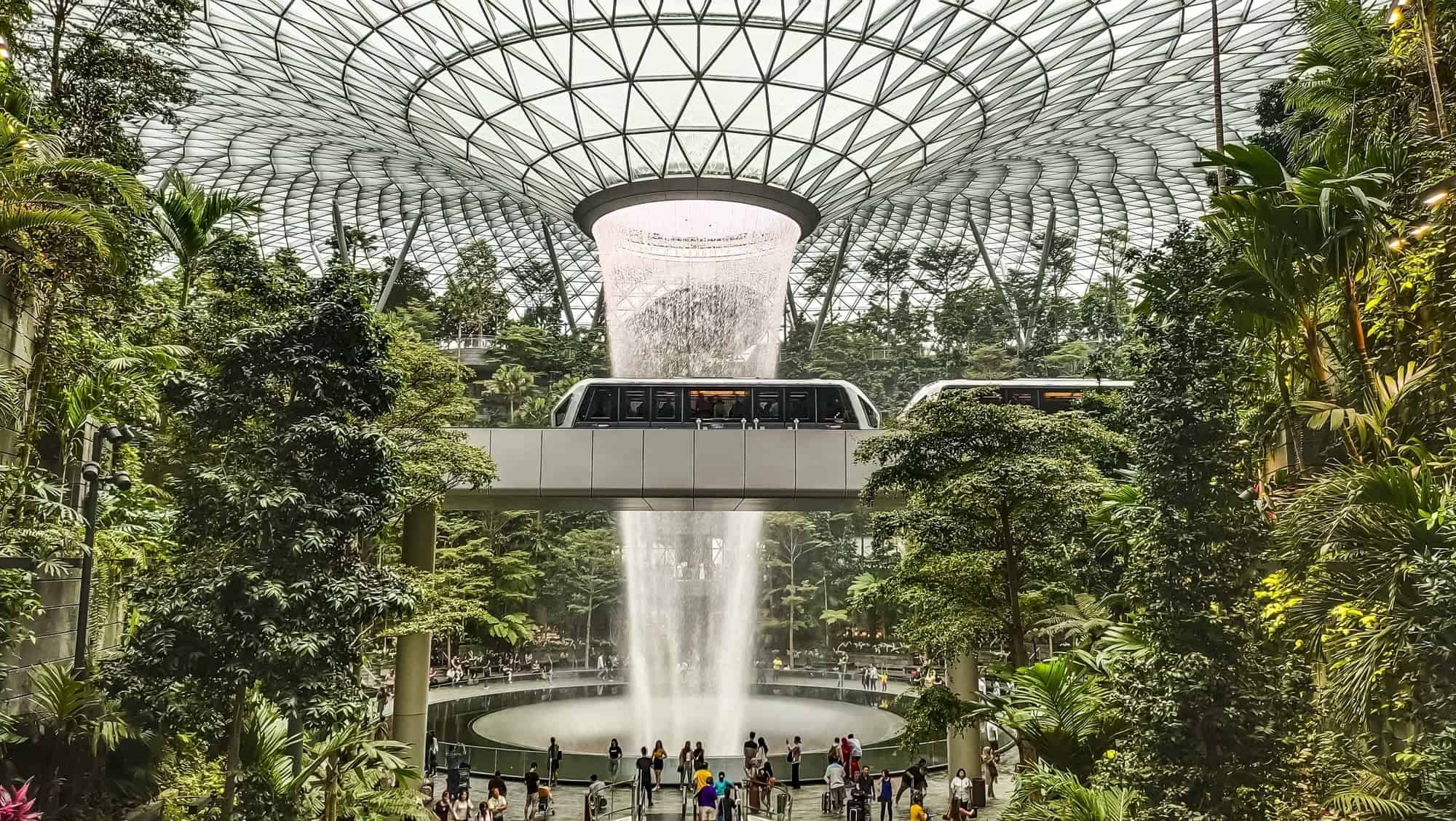
Changi Airport named the world’s best for the 12th time
Cultural diversity
Singapore is a cultural melting pot. Chinese, Malay, Indian and Western traditions live side by side and shape the city’s neighbourhoods, festivals, temples and everyday life.
Little India | Chinese New Year: traditions and origins
Singapore’s history and identity
The city was called Temasek long before it got its lion
Singapore was the name of a trading post long before it became a country. A Chinese account from the 200s refers to the island as Pu-lou-chung, “the island at the end of the peninsula”, and when the first real settlements emerged around the year 1298, the place was known as Temasek – the sea town.
The name Singapore itself comes from a legend. The prince Sang Nila Utama, from the capital of the Srivijaya empire, Palembang, went ashore on the island and spotted an animal he had never seen before: a lion. He founded a town on the spot and called it Singapura – from the Sanskrit simha, lion, and pura, city. The Lion City lived off its position on the Strait of Malacca, where ship traffic between India and China had to pass. It is the same geography that carries the city today.
Raffles drew up a plan in 1822, and the districts are still there
The modern city begins on 29 January 1819, when Sir Thomas Stamford Raffles went ashore. He was at the time British deputy governor of Bencoolen on Sumatra, today Bengkulu. The British Empire was looking for a port of call in the region – partly for its traders, partly to curb Dutch influence – and Raffles immediately saw what the place could become. A treaty made Singapore a British trading post, and the city grew at a pace that drew migrants, especially from China and India. The name lives on in the city’s most famous hotel, Raffles.
In 1822 Raffles put the city in order with the Raffles Town Plan, which assigned separate districts to the population groups: a European quarter, a Chinese one south-east of the Singapore River, an Indian one at Chulia Kampong, and Kampong Glam for the city’s Malay and Arab residents. The division is colonial history – and it also explains why Chinatown, Little India and Kampong Glam still sit where they do, and why they remain the neighbourhoods you explore. In 1924 the causeway to Johor Bahru was officially opened, and the island was physically joined to the mainland.
From a poor port town to one of the world’s richest states
Singapore’s modern identity is closely tied to the country’s history as a trading hub. The city was founded as a British trading post in 1819 and quickly developed into one of the region’s most important ports. After independence in 1965, Singapore faced enormous challenges, but has since undergone a remarkable transformation.
In just a few decades, this impressive city-state has grown from a poor country with no natural resources into one of the world’s richest and most well-organised states. This history still shapes the city’s mindset, in which efficiency, order and shared responsibility are highly valued.
For travellers, this background offers a deeper understanding of why Singapore works the way it does – and why rules, structure and planning play such a central role in everyday life in the city.
How to experience Singapore at its best
The small but remarkably advanced state – from business to green transition – is best experienced by combining structure with curiosity. The city’s metro system (MRT) makes it easy to move between districts, and many sights are within a short distance of one another.
A stay of 3–5 days is ideal for most travellers. It leaves time to see iconic areas such as Marina Bay, dive into the food culture and explore the cultural quarters. Travellers with more time can immerse themselves in the city’s green spaces, museums and local neighbourhoods.
Although Singapore is known for its order, travellers who venture away from the most touristy areas are rewarded. Local hawker centres, residential neighbourhoods and smaller parks give a more nuanced picture of the city.
Michelin street food for under 20 kr.?
Daily life and the city’s rhythm
Daily life is characterised by structure, efficiency and a high quality of life. The city is exceptionally clean, safe and well organised, creating a reassuring atmosphere for visitors. At the same time, the pace is brisk, especially in the business districts.
Locals spend a great deal of time on food, shopping and social activities. Hawker centres serve as natural gathering places, and this is where you truly feel the city’s pulse.
For travellers, the contrast between the bustling city life and the quiet green areas can be surprising – and this very balance is one of its greatest strengths.
Green spaces and nature
Despite its reputation as a concrete city, it is one of the world’s greenest metropolises. Parks, nature reserves and green corridors are woven into the fabric of the city.
Singapore Botanic Gardens, the MacRitchie Treetop Walk and the Southern Ridges offer surprising natural experiences in the middle of the metropolis. Even Gardens by the Bay is an example of how technology and nature can be combined.
This makes it particularly attractive for travellers who want big-city experiences without giving up green surroundings.
Singapore as a stopover and regional base
Singapore is one of the world’s most popular stopover destinations. Changi Airport has repeatedly been named the world’s best airport and makes arriving and departing exceptionally smooth.
Many travellers combine a visit with Malaysia, Indonesia or Thailand. The city’s strategic location makes it ideal as a base for onward journeys in South-East Asia.
As a stopover, it offers a maximum experience in minimum time – as a destination in its own right, the city offers depth and variety.
Who is Singapore best suited for?
It suits particularly well travellers who want a safe and well-organised big-city experience in Asia.
First-time travellers will find it easy, safe and manageable.
Food enthusiasts gain access to one of the world’s most varied and affordable cuisines.
City travellers will find architecture, shopping and culture of the highest class.
Travellers seeking a beach holiday or wild nature should combine a visit with other destinations in the region.
Practical information
Transport
Public transport is efficient, inexpensive and easy to use.
Rules and culture
It has strict rules on litter, smoking and public behaviour. The rules are enforced consistently and contribute to the city’s high levels of safety and cleanliness.
Climate
A tropical climate all year round, with high humidity and short, heavy downpours.
Ready for Singapore?
It is an obvious choice for those who want a city break in Asia with high comfort, cultural depth and world-class experiences.
More about Singapore
- Singapore’s bars are among the very best in Asia
- Sentosa, the Rumour is true
- Raffles Hotel
- Travel bubbles, see the latest developments: Singapore, Palau, Taiwan, Australia
- Changi Airport secures top ranking at the World Airport Awards 2023
- Singapore Airlines bets on new, ultra-long routes to the USA
Frequently asked questions about travelling to Singapore
When is the best time to travel to Singapore?
Singapore can be visited all year round. The climate is tropical, with high humidity and short downpours.
Is Singapore a good destination for first-time visitors to Asia?
Yes. English is widely spoken, the infrastructure is excellent, and the city is very safe and easy to navigate.
Is Singapore expensive to travel in?
Accommodation and alcohol are expensive, but food can be very cheap, especially at hawker centres.
How many days should you spend in Singapore?
3–5 days is ideal for most travellers. As a stopover, 2–3 days can also work well.
Are there strict rules in Singapore?
Yes, there are clear rules on littering, smoking and public behaviour, and they are enforced consistently.
More articles about Singapore
Michelin stjerne for streetfood i Singapore
Michelin stjerne for streetfood i Singapore for prisen på en hotdog? Michelin streetfood er lidt af en sjældenhed, men den findes: Singapore streetfood er berømt allerede, men det her er uden tvivl verdens billigste Michelin stjernemad, og en utrolig historie. Få den her: I Singapore er konkurrencen om de bedste måltider benhård, især blandt…
Fra Skandinavien til Singapore
Fra Skandinavien til Singapore Fra Skandinavien til Singapore. Forbindelser mellem Singapore og Skandinavien (Danmark, Sverige, Norge) er populære og betjenes af flere flyselskaber, især på grund af den voksende handel, turisme og forretningsforbindelser mellem landene. Her er nogle typiske muligheder, flytyper, priser, transporttid og anden information: Direkte fly fra Singapore til Skandinavien Singapore Airlines: Destinationer:…
Singapore er Asiens grønne by
Singapore er Asiens grønne by Singapore er Asiens grønne by. Hvorfor? Her er et lysende eksempel. Byen opfattes nok af mange som tæt bebygget med imponerende skyskrapere, men vidste du, at Singapore måske også er verdens grønneste by? I en officiel listning er Singapore foran byer som Vancouver, Amsterdam og København (CPH ligger ret langt…
Singapore Changi Airport sikrer topplacering ved World Airport Awards 2023
Singapore Changi Airport sikrer top-placering ved World Airport Awards 2023 Den prestigefyldte World Airport Awards 2023 blev afholdt ved en imponerende ceremoni på Passenger Terminal EXPO i Amsterdam den 15. marts. Singapore Changi Airport lufthavn blev tildelt verdens bedste lufthavn og blev anerkendt for sine fremragende spise- og fritidsfaciliteter. Hamad International Airport Hamad International Airport…
F1 Singapore Airlines Grand Prix
F1 Singapore Airlines Grand Prix Søndag den 17. september 2023 blev F1 Singapore Airlines Grand Prix afholdt på Singapore Street Circuit. Denne spændende Formel 1-race imponerede fans fra hele verden, da kørere kæmpede på den udfordrende bybane, kun Monaco har et tilsvarende F1 løb. Carlos Sainz, der kørte for Ferrari, gik sejrrig ud af løbet…
Changi Lufthavn i Singapore for 12. gange verdens bedste
Changi lufthavn, igen den bedste lufthavn i 2023 Singapore Changi Lufthavn er endnu engang kåret til verdens bedste lufthavn, faktisk 12. gang siden år 2000. Men hvorfor de så sindsygt dygtige? De har tænkt sig om, de har ressourcerne, og lufthavnen er lykkedes med at gøre lufthavnen til et rejsemål i sig selv. Changi bliver…
Singapore´s barer er blandt Asien´s allerbedste
Singapore´s kreative barer, måske Asiens bedste Singapore´s barer lægger stilen i “crazy good bars” kategorien i Sydøstasien lige nu. Så er Singapore den nye “party hovedstad” i Sydøstasien? Noget tyder på det! Kreativiteten er enorm, både med hensyn til koncepter for Singapores barer og indretning og deres meget kreative, ja til tider outrerede drinks. Men…
Little India i Singapore
Little India i Singapore et must-see område Little India i Singapore er en spændende gammel bydel, der nu er helt revitaliseret. Bydelen havde engang en vigtig Galopbane, hvor “bedre folk” mødtes ofte. Der blev handlet kvæg midt i bydelen, og maden blev lavet i murstenovne midt på gaden. Det var pionerdage. Men mens disse steder…
Sentosa Golf Club, midt i Singapore
Sentosa Golf Club og Singapore Classic Sentosa Golf Club beviser, at det er fuldstændigt muligt at spille golf i Singapore på baner af høj kvalitet. Det kommer måske som en overraskelse men der er 20 golfbaner i og nær den lille bystat. Det anbefales faktisk meget at prøve Sentosa Golf Club´s 2 baner. Blandt de…
Sentosa, Singapore, the Rumour is true
Oplev Sentosa Island i Singapore Sentosa Island, er en lille trope ø beliggende i Central Region, midt i Singapore. Det er også ifølge deres eget udsagn Asiens førende underholdningspark. Her er faktisk også et utal af underholdnings tilbud og oplevelser for alle aldre. Fra billig til luksuskasinoer. Øen var tidligere brugt som en dengang britisk…
Cool restauranter & high class hang-outs i Singapore
Restauranter i Singapore & cool bars i Singapore. Restauranter i Singapore er et virkeligt bredt emne. Alene den øvre del vi smager på her fylder rigtigt meget i maven. Her begynder en selektiv nydelsesrejse gennem Singapores utal af fristende kulinariske oplevelser. Det er 3 picks ud af virkelig mange, der også giver en ekstraordinær fin…
Raffles Hotel i Singapore: to år lukket, og næsten intet lavet om
Raffles Hotel lukkede i næsten to år – og åbnede som næsten det samme Da Raffles Hotel i Singapore tog imod gæster igen i august 2019, havde huset stået lukket siden slutningen af 2017. Næsten to år uden en eneste overnatning på en af Asiens mest berømte adresser. Det bemærkelsesværdige er, hvad pengene og tiden…





Practical travel information
🛂 Visas and entry
- Visa: Danish citizens can enter without a visa for short stays.
- SG Arrival Card: everyone must complete the free SGAC no later than 3 days before arrival via the SGAC e-Service or the MyICA app — the health declaration is included in this.
- Passport: must be valid for at least 6 months.
💰 Currency and money
- Currency: Singapore dollars (SGD).
- Card and mobile payments are used almost everywhere; carry cash for hawker centres and markets.
- Tipping: not a set custom — a service charge has often already been added to the bill.
🚗 Transport, time and health
- Flight time from Denmark: approx. 12–13 hours.
- Getting around: the city’s MRT metro is cheap, efficient and covers most places.
- Best time to visit: a year-round destination (tropical and humid); February–April is slightly drier.
- Time zone: +7 hours compared with Danish winter time.
- Languages: English is an official language alongside Malay, Mandarin and Tamil.
- Health: no compulsory vaccinations; tap water is safe to drink.
- Safety: one of the safest and cleanest places in the world — but note the strict laws and heavy fines (for example for chewing gum and littering).