
How Jack Kerouac and the Beat Generation Travelled
Jack Kerouac and the Beat Generation – Travel as Pulse and Protest
In the mid-20th century – in a United States shaped by post-war optimism, a consumer boom, suburban life and rigid conformity – a wild streak of protest emerged. A group of young writers, poets and free thinkers rejected the American dream of picket-fenced homes and fixed office hours. They called themselves the Beat Generation.
For the movement’s undisputed literary icon, Jack Kerouac (1922–1969), the movement itself became a kind of religion. The point of travel was no longer to reach a classic historic monument or a destination for a grand tour. The point was the journey itself: the rhythm of the asphalt, the spontaneous improvisations of jazz and the pursuit of the ultimate, unfiltered experience of life.
Kerouac turned the hitchhiker’s thumb, the rattling Greyhound buses and the open-top V8 cars into symbols of absolute freedom. His journeys created an entirely new travel culture that still inspires backpackers, road-trippers and freedom-seekers across the globe.
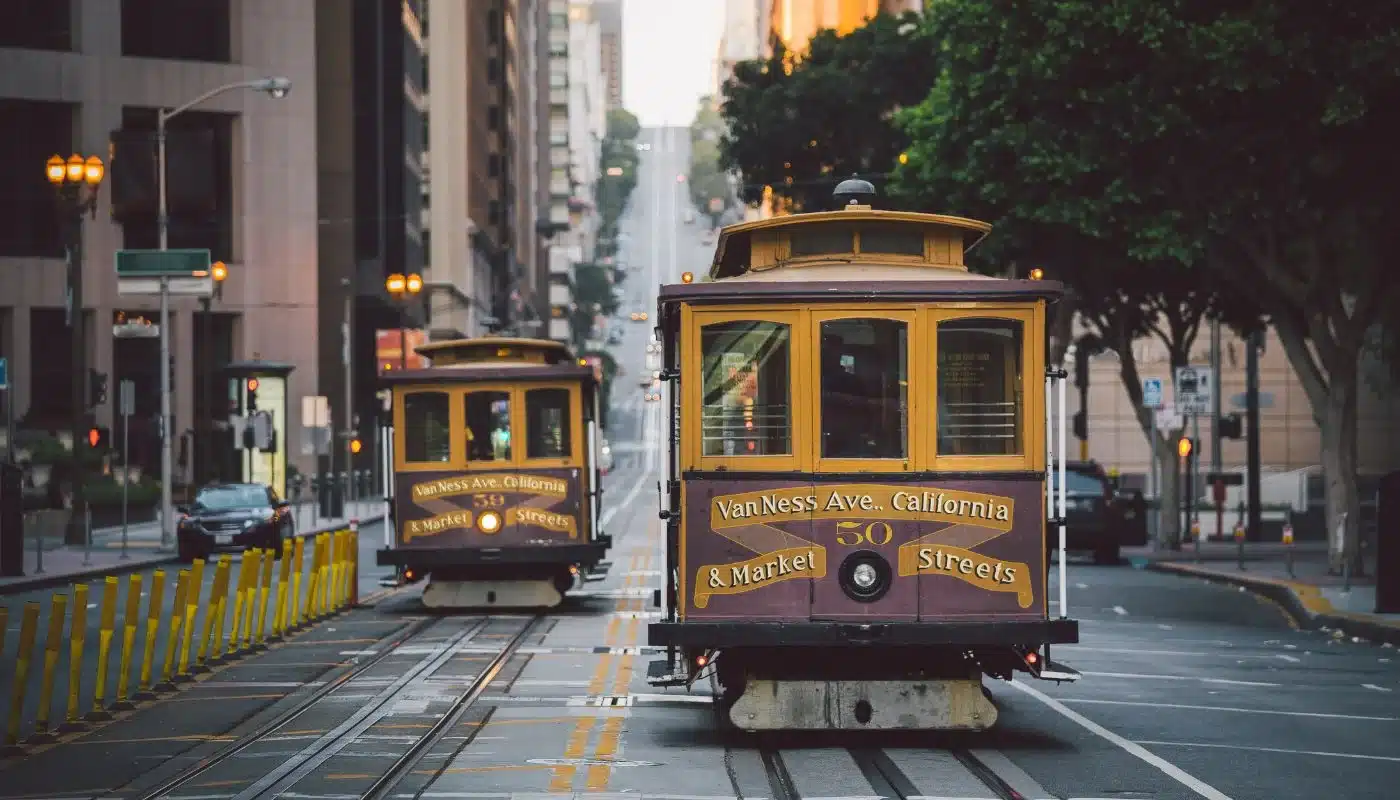
The Geography of the Beat Movement: From New York to San Francisco
Kerouac’s aesthetic of travel was built on a deep fascination with the American continent. He saw the United States not as a political entity but as a vast, mysterious and seemingly endless canvas waiting to be explored.
JR, the French art prodigy and contemporary icon on the road, shall we follow him?
On the Road and Spontaneous Prose
Between 1947 and 1950, Kerouac made a series of breathless journeys across the American continent with his friend and muse, the boundless and charming Neal Cassady. In April 1951, Kerouac sat down at his typewriter in New York and wrote the novel On the Road in just 20 days. He taped 36 metres of telegraph paper together into one long roll (the scroll), so that he would not have to interrupt his flow of writing to change paper.
The result was a groundbreaking “spontaneous prose” – a literary style that mimicked the stream of speech and the wild drum solos of bebop jazz. The novel, published in 1957, captured perfectly the night-time hitchhiking trips through the cornfields of the Midwest, the jazz clubs of Chicago, the scorching air of Mexico’s deserts and the fog of San Francisco.
San Francisco and the Bay Area
Although Kerouac himself came from the East Coast (raised in Lowell, Massachusetts), San Francisco became the spiritual stronghold of the Beat Generation. The North Beach neighbourhood of San Francisco became the melting pot where Kerouac, Allen Ginsberg, Lawrence Ferlinghetti and Gary Snyder met. It was here that poetry was read aloud to improvised jazz, and where the dream of an alternative life beyond the established society was lived out.
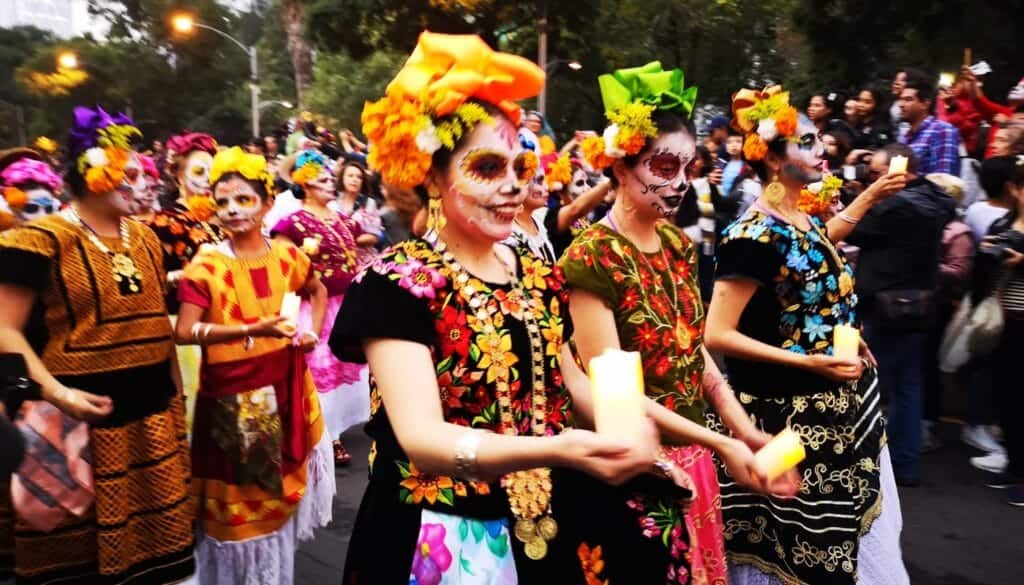
Boundless Horizons: Mexico City and Tangier
The Beat writers did not stop at America’s borders. They constantly sought out places where the law was more relaxed, the cost of living lower and inspiration less filtered.
Mexico City: The Magical Neighbour to the South
Jack Kerouac and Cassady made several journeys south through Mexico along the Pan-American Highway. For Kerouac, Mexico City represented something untouched, ancient and spiritual, in contrast to modern America. It was in Mexico City that he wrote the long poem Mexico City Blues and completed short novels such as Tristessa.
Tangier: The International Zone
Another absolutely central destination for the Beat Generation was Tangier in Morocco. In the 1950s, Tangier was an “International Zone” – a haven shaped by spies, artists, smugglers and criminals. Kerouac’s close colleague William S. Burroughs settled here and wrote his notorious masterpiece Naked Lunch. Kerouac and Allen Ginsberg travelled to Tangier in 1957 to help Burroughs gather and type up his manuscript fragments.
Follow the Beat Route Today
The wonderful thing about the Beat Generation’s journeys is that the routes and many of their haunts still exist in fine fettle. You can recreate the ultimate road trip today.
1. Across the USA: The Classic Road Trip
Route 66 & Highway 50: Hire a car and drive across the USA. Highway 50 through Nevada is popularly known as “The Loneliest Road in America” and gives you exactly the sense of endless horizon and isolation that Kerouac described in his books.
Lowell, Massachusetts: Visit Kerouac’s birthplace near Boston. Here you can see his grave at Edson Cemetery, where fans from around the world still leave beer cans, poetry collections and cigarettes as a tribute.
USA: an introduction to travel in the great travel destination
2. San Francisco, California, USA
City Lights Bookstore: (261 Columbus Ave, North Beach). Founded in 1953 by the poet and publisher Lawrence Ferlinghetti. The bookshop was the hub of Beat literature and published, among other works, Allen Ginsberg’s groundbreaking poem Howl. The bookshop remains unchanged and has an entire section dedicated to Beat literature.
Vesuvius Cafe: (255 Columbus Ave). Right across the little alley “Jack Kerouac Alley” from City Lights lies this historic bar. Kerouac, Cassady and Ginsberg spent countless hours here over beer and whisky. The bar is packed with Beat memorabilia.
The Beat Museum: (540 Broadway). A small but marvellous museum in North Beach filled with original first editions, Kerouac’s clothing, letters, original photographs and even the car used during the filming of the adaptation of On the Road.
3. Tangier, Morocco, a rare trip for Jack Kerouac
Café Hafa: Founded in 1921 and perched on the cliffside with a direct view across the Strait of Gibraltar to Spain. Beat poets – including Kerouac, Burroughs and, in the 1960s, the musicians of The Rolling Stones – sat on its terraced steps here, drinking sweet mint tea and smoking kif.
Hotel Continental: Located at the edge of Tangier’s old Medina. A classic, atmospheric hotel where Burroughs and Kerouac often met, and where the historic air of the era still lingers in its Oriental corridors.
JR and the Visual Nomads – The Travel Aesthetic of Today
How do the creative artists of our time travel? If Hans Christian Andersen travelled with a quill and a horse-drawn carriage, Hemingway with a typewriter and a fishing reel, and Jack Kerouac as a hitchhiker, then twenty-first-century artists travel with digital cameras, spray cans, drones, laptops and an immediate, global reach.
French art genius: JR: People, the street and the world
For today’s young artists – from world-famous street art pioneers to digital visual nomads and photowalkers – travel is no longer merely a search for personal inspiration. The journey and the creative process have melted completely into one.
The world’s cities, favelas, border walls and magnificent natural landscapes serve as their open studio. Through social media and digital platforms, the journey from idea to finished work is transformed and shared in real time with a global audience.