
Sacré-Cœur and Montmartre in Paris: History, Art and Amazing Views
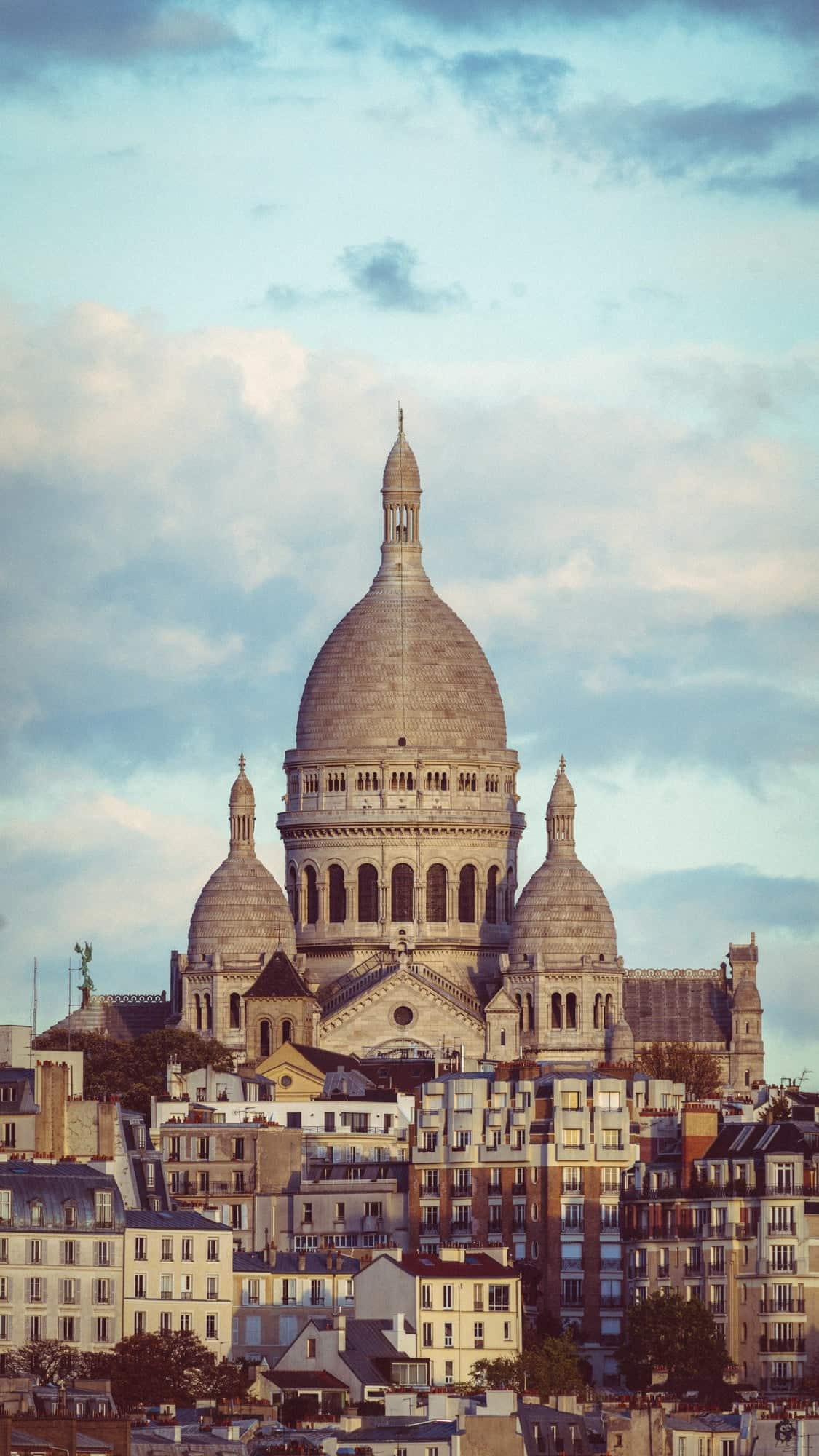
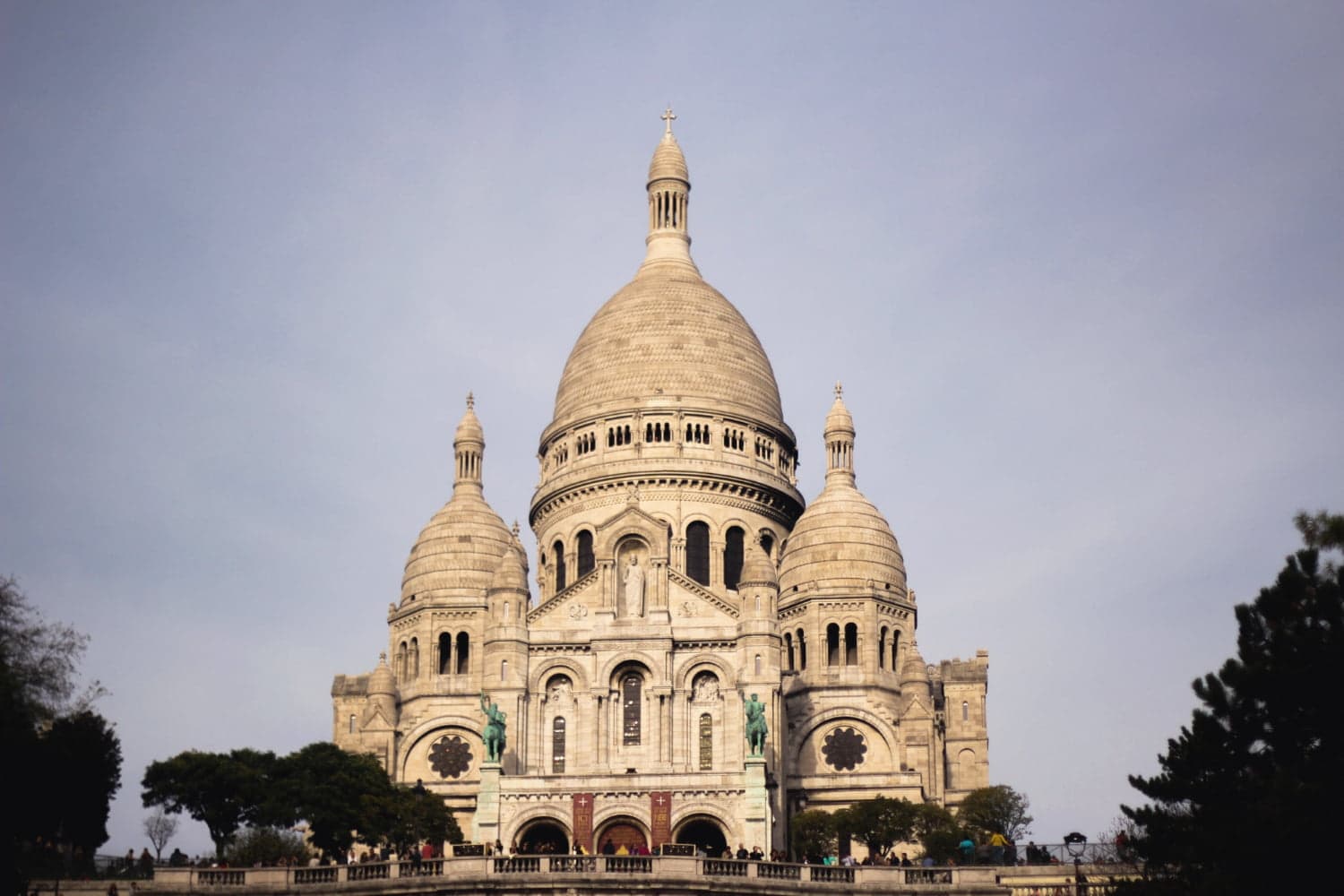
The Sacré-Cœur, with its iconic white dome, towers over Paris from the top of Montmartre hill. This impressive basilica is not only a spiritual center, but also one of the city’s most popular viewpoints. The Montmartre neighborhood that surrounds the basilica is known for its bohemian vibe, cobblestone streets, and rich artistic heritage. From charming cafés to bustling squares, Montmartre is a place that invites exploration and captures the unique Parisian atmosphere. Let’s delve into the history of Sacré-Cœur and Montmartre and how to best experience this part of Paris.
History of Sacré-Cœur and Montmartre
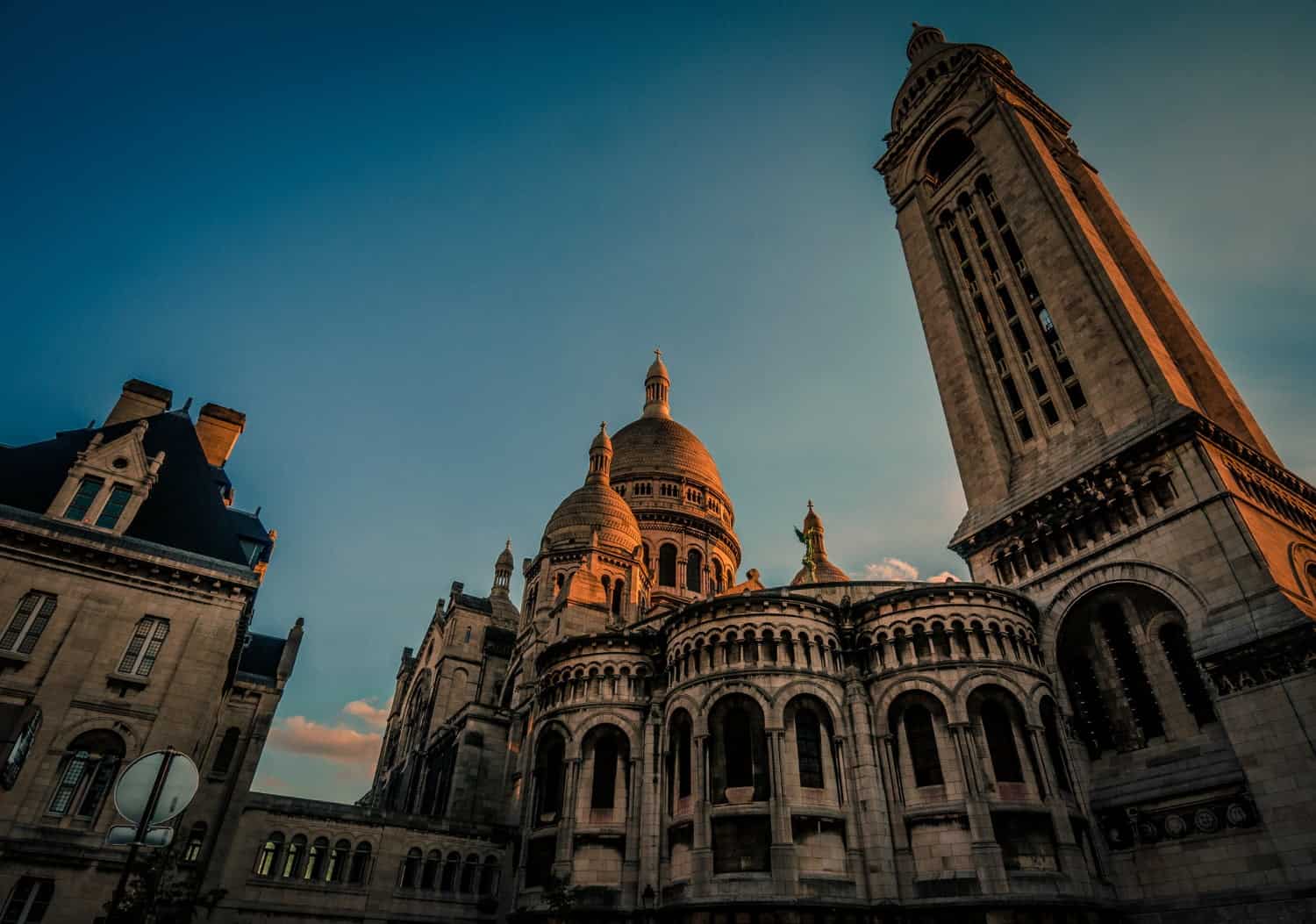
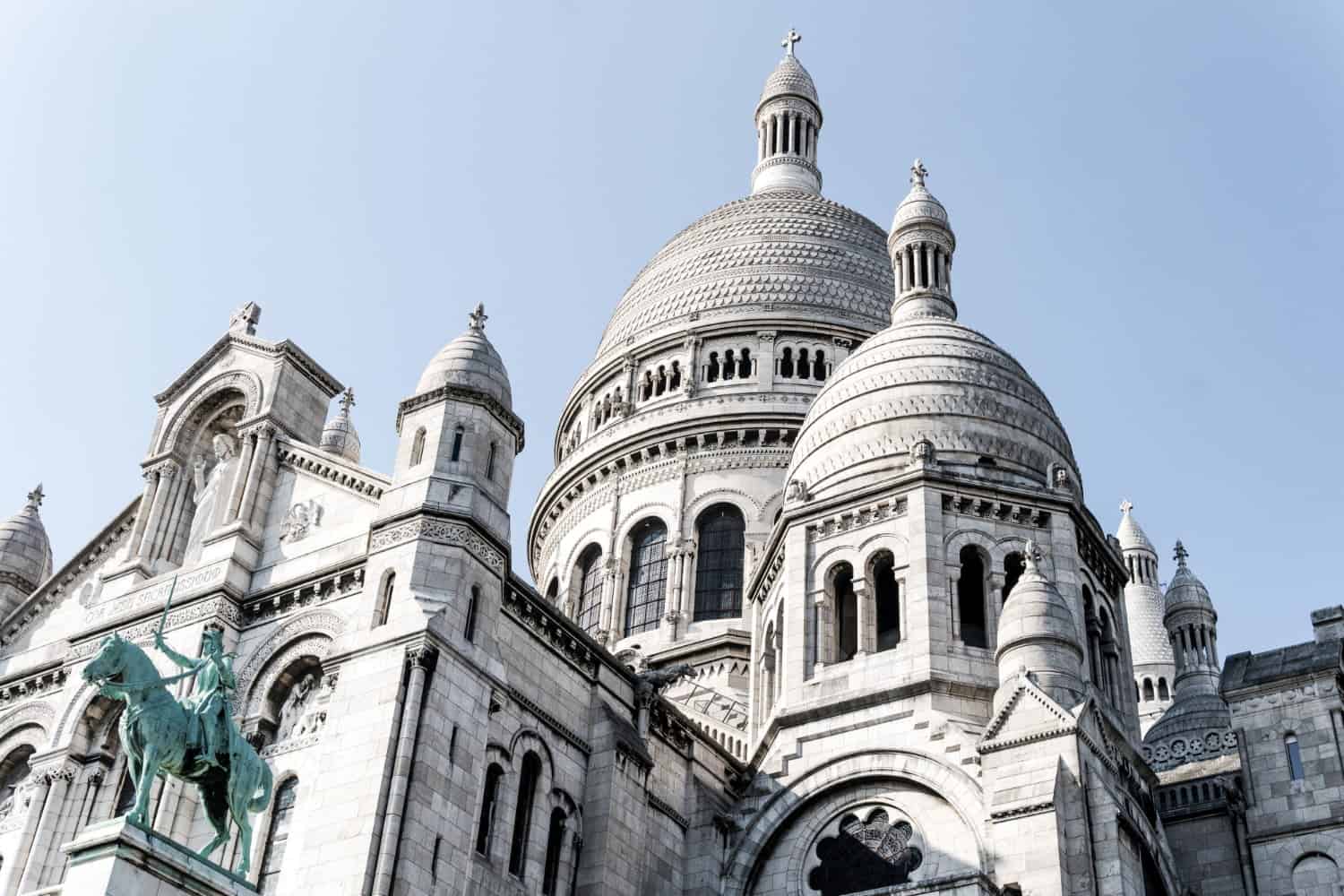
Construction of the Sacré-Cœur Basilica began in 1875 and was completed in 1914. The basilica was built as a symbol of national reconciliation after the Franco-Prussian defeat of 1870 and the tumultuous events of the Paris Commune of 1871. It was designed by architect Paul Abadie in a Romanesque-Byzantine style, making it a unique building in the Parisian cityscape. The whiteness of the Sacré-Cœur is due to its construction in travertine stone, which emits a calcareous substance that keeps the facade light and shiny.
The Montmartre district has a long history that dates back to antiquity. The name “Montmartre” comes from “Mont des Martyrs” (Mount of Martyrs), named after Saint Denis, who according to legend was executed here around 250 AD. In the 19th and early 20th centuries, Montmartre became a cultural hub for artists such as Picasso, Van Gogh, Toulouse-Lautrec and Modigliani, who were attracted by the neighborhood’s bohemian spirit and low cost of living. Many of these artists lived and worked in the area, leaving their mark on the neighborhood’s artistic heritage.
The Architecture and Art of Sacré-Cœur and Montmartre
Sacré-Cœur is known for its unique architectural style, which blends Romanesque and Byzantine architecture. The most striking feature of the basilica is its dome, which reaches a height of 83 meters and offers one of the best views of Paris. The dome is accessible to visitors willing to climb the 300 steps to reach the top, from where you can enjoy panoramic views of the city.
Inside the basilica, you’ll find one of the world’s largest mosaics, “Christ in Majesty,” which covers the ceiling of the apse. The mosaic depicts Jesus with outstretched arms and is surrounded by symbols and saints representing the Catholic faith. The interior of the basilica is otherwise relatively simple and serene, providing a contrasting environment to the bustling city outside.
Montmartre is known for the many artists who work in the neighborhood. Place du Tertre, a small square close to the Sacré-Cœur, is a popular spot where artists set up their easels and paint portraits and landscapes. The neighborhood is also home to several small art galleries and studios that offer a glimpse into Montmartre's rich artistic scene.
Sacré-Cœur and Montmartres today
Today, Sacré-Cœur and Montmartre are among the most visited sites in Paris. The basilica serves as an active place of worship and is open to visitors who wish to attend a mass or simply experience the tranquil atmosphere. The stunning view from the dome is a must for anyone who wants to see Paris from a higher perspective.
Montmartre retains its bohemian spirit and is filled with cafés, boutiques and small galleries. It is a place to stroll through narrow, cobbled streets, explore hidden passages and discover charming corners. The neighborhood also has a lively nightlife with cabarets, bars and music venues that recall the area's artistic past.
Visit the Sacré-Coeur and Montmartre
A visit to Sacré-Cœur and Montmartre is an unforgettable experience. Here are some tips to make the most of your visit:
- Sacre-Coeur: Visit the basilica early in the morning or late in the afternoon to avoid the biggest crowds. Admission to the basilica itself is free, but there is a small fee to climb the dome. Take time to admire the mosaics and peaceful interior.
- The view from the Dome: For those in good shape, the hike up to the dome is worth it. There are 300 steps to climb, but the views of Paris are spectacular and stretch in all directions.
- Montmartre: Explore Montmartre on foot and take time to stroll through the narrow streets. Visit Place du Tertre and watch artists in action, or enjoy a coffee at one of the many cafés. Also be sure to visit the Musée de Montmartre, which tells the story of the neighborhood's artistic past.
- Hidden Gems: Montmartre is full of hidden treasures, such as the small vineyard “Clos Montmartre” and the cozy square “Place des Abbesses.” Keep your eyes peeled for these lesser-known spots that provide an authentic experience of the neighborhood.
Practical Information About Sacré-Cœur and Montmartre
Sacré-Cœur is located at the top of Montmartre hill and is easily accessible by public transport. The nearest metro station is Anvers (line 2), from where you can walk up the hill or take the Montmartre Funicular, a cable car that takes you up to the basilica. Montmartre is also within walking distance of several other metro stations, such as Abbesses (line 12).
The basilica is open daily from 6:00 AM to 22:30 PM and admission is free. If you want to climb the dome, please note that there is an entrance fee and there is no elevator.
Sacré-Cœur and Montmartre leave a lasting impression and give you a unique experience of the City of Cities
Sacré-Cœur and Montmartre are places that capture the essence of the artistic and cultural spirit of Paris. From the magnificent basilica with its breathtaking views to the charming streets and squares of Montmartre, this area is a must-see for any visitor to Paris. Whether you are here to enjoy the art, the history or simply the atmosphere, Sacré-Cœur and Montmartre will leave a lasting impression and give you a unique experience of the City of Cities.
Top 10 attractions in Paris
- The Eiffel Tower in Paris – The most iconic symbol of Paris
- The Louvre Museum in Paris – The world's largest art museum and one of the most iconic cultural institutions
- Notre-Dame Cathedral in Paris – An outstanding example of Gothic architecture
- Sacré-Cœur – Towering over Paris from the top of Montmartre hill
- Champs-Élysées and the Arc de Triomphe in Paris – Often referred to as “the most beautiful avenue in the world”
- The Seine in Paris – Boat Tours, History and the Best Way to See the City
- The Palace of Versailles – One of the world's most opulent and impressive palaces
- Le Marais in Paris – History, Culture and Hidden Gems in the City's Most Charming Neighborhood
- Musée d'Orsay in Paris – Home of Impressionism and an Architectural Gem
- The Luxembourg Gardens in Paris – Nature, Culture and Tranquil Beauty in the Heart of the City
Visit a living piece of history
Skip the line and get the most out of your visit with professional guides. You can purchase tickets and exciting guided tours through our partner below.
Powered by GetYourGuide
🎬 Watch the journey on film — 365 ways to travel the world Watch our film →