
Traveltalk is Denmark's oldest digital travel media. We cover 136 countries and many more destinations around the world and all seven continents – from Europe's classic cultural cities to the Pacific's most remote archipelagos. With over 2000 travel articles in rotation, so that they are constantly updated, approx. 50.000 social media pushes and soon our goal of 365 videos, we give you the best travel destinations to choose from. Whether you dream of a relaxing beach holiday , an active city break or a cultural trip , you will find inspiration here. Find your next travel destination below. Very close to every country in the world you can travel to on holiday. It's a trip worth reading a little further.
Choose your continent
Europe
From the wilderness of the North to the island culture of the Mediterranean. Western Europe, Eastern Europe, Scandinavia and everything in between. More than 50 European countries covered.
Asia
The world's largest and most diverse continent. Japan, Thailand, Indonesia, India, Singapore and many more. World-class culture, nature and gastronomic experiences.
America
North and South America offers everything from the New York skyline to the wilderness of Patagonia. USA, Canada, Mexico, Brazil, Argentina and the Caribbean.
Africa
Safari in Botswana, beach life in the Seychelles, cultural trip to Morocco. Africa is a continent of radical diversity and unique natural experiences.
Middle East
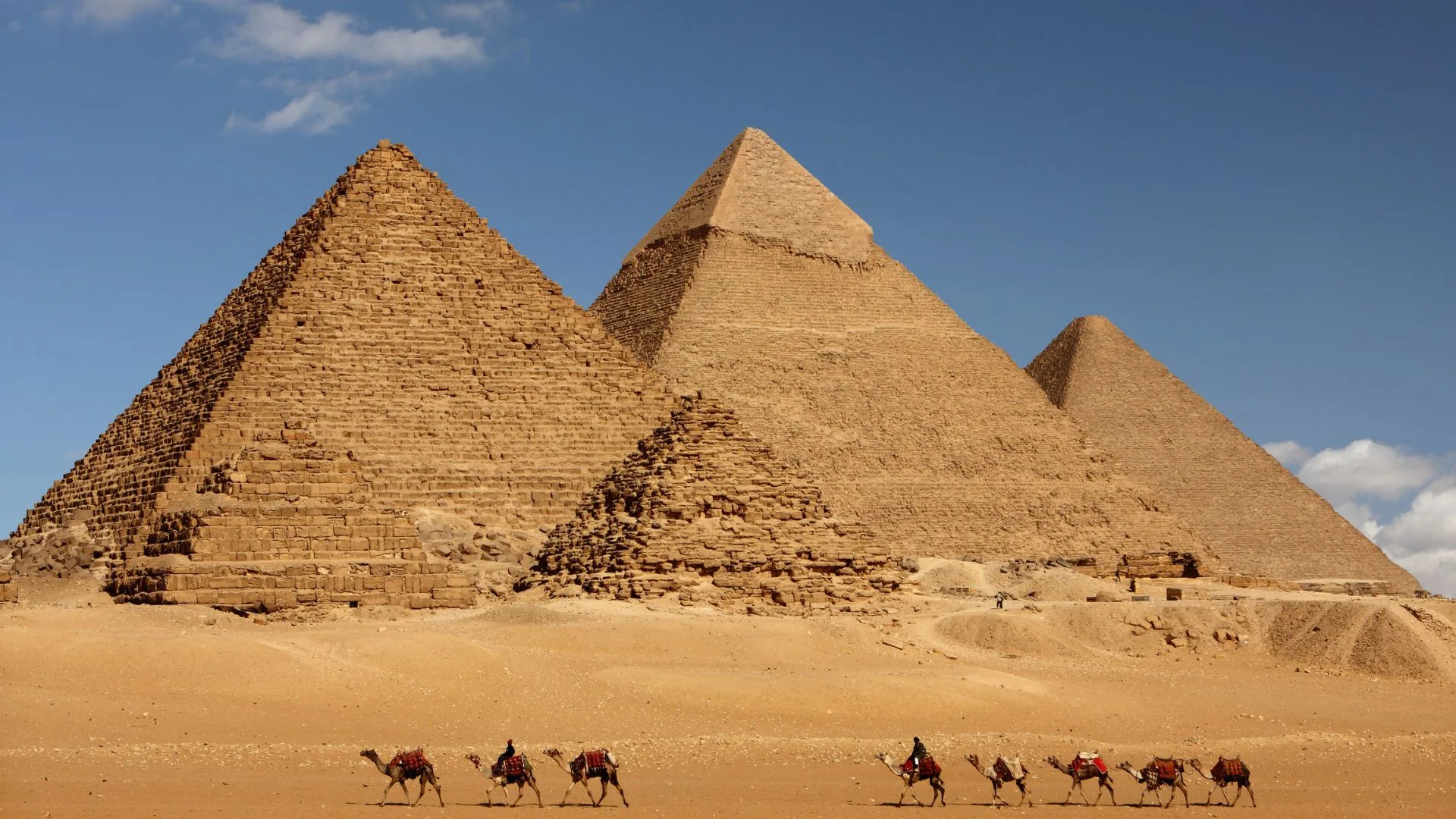
Dubai, Abu Dhabi, Jordan, Oman and Qatar. A rapidly changing region with unique historical attractions and modern luxury facilities side by side.
Oceania
Australia, New Zealand, Fiji, Tahiti and the Pacific's thousand islands. The world's most remote and unspoiled travel destinations – for those who want something to tell.
If you prefer to experience the world in English?
150 travel destinations – and more than 1.000 articles, videos, social media
Traveltalk covers travel destinations all over the world. In fact, more than 150 destinations and over 1.000 travel articles. From the best-known big city in Europe to the least visited island in the Pacific. Whether you are looking for inspiration, practical information or specific travel suggestions, you will find it here. Travel destinations all over the world are not just about the popular destinations. It is also about discovering hidden gems waiting to be explored. Think of the small, local places that offer unique experiences that you will not find in the guidebooks. For example, there are small villages in Italy where you can taste homemade pasta made from local ingredients, or smaller islands in Greece where you can find pristine beaches and a quiet atmosphere away from tourism.
You can also search for 35 travel interests and find trips that match your style – active holidays, city breaks, adventure trips, ski holidays, golf trips, wellness and much more. See all travel interests →
Selected destinations just waiting to be discovered
Four destinations where the best is a bit off the beaten path. Here's what to travel for — and where to go to find it.
Sardinia – two islands in one

Neither Porto Cervo nor Porto Rotondo existed before the 1960s. The first was designed from scratch by the Aga Khan consortium in 1962, and the following year the Venetian family Donà dalle Rose started work on the second on the opposite side of the bay. Two invented villages that are today among the most expensive addresses in the Mediterranean . It was at Villa Certosa in Porto Rotondo that Silvio Berlusconi welcomed Putin, Blair and Bush – and held the parties that later filled the front pages.
You don't have to live there to be there. Around the bay are Golfo Aranci, a fishing village with real beaches, Cannigione in the Gulf of Arzachena, where prices are affordable, and Palau, from where the ferry sails to La Maddalena – an archipelago with rocky coastline and water of a color you don't associate with Europe.
To the south, Sardinia is a different place altogether. Here lies Is Molas, one of Italy’s most renowned golf courses , with the Is Molas Resort on the course and Cagliari less than an hour’s drive away. No yachts, no fronts – just the island in its own right. And if you want the rest of the country with you, it’s only a one-hour flight to the mainland.
Madagascar – nine out of ten species are found nowhere else
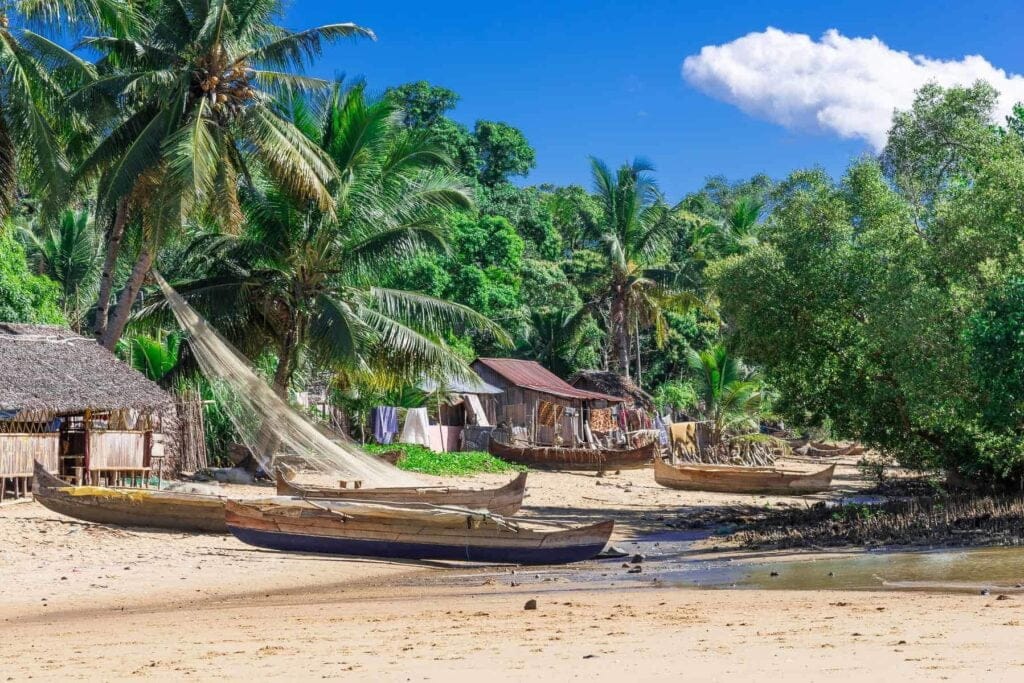
Madagascar broke away from the African mainland about 160 million years ago and has been on its own ever since. As a result, about 90 percent of the animal and plant life on the world's fourth-largest island is found nowhere else on the planet. It's the Galápagos effect on a nearly continent-sized scale, and that's why you should go.
In Andasibe-Mantadia, a three- to four-hour drive east of the capital Antananarivo, lives the indri – the largest living lemur. It sings in the morning, and the sound carries for miles through the rainforest. To the west of Morondava is the Allé des Baobabs, a dirt road lined with trees that have had hundreds of years to grow so thick. And to the north of it lies Tsingy de Bemaraha, a forest of limestone needles that can be walked around on suspension bridges – one of the island ’s UNESCO World Heritage sites.
The language reveals where the first settlers came from. Malagasy is not an African language, but an Austronesian one, and its closest relatives are spoken in Borneo. The settlers crossed the Indian Ocean over a thousand years ago – one of the longest sea voyages made before the compass.
The coast is the other half of the island. Nosy Be in the north has the hotels and the diving , Nosy Iranja has the sandbar that connects two islands at low tide. And from July to September, humpback whales pass Île Sainte-Marie on their way to their breeding grounds. It's the kind of nature trip where you don't have to share the view with many people – and the price level on the island is still low.
Cape Verde – nine inhabited islands that are not alike

A six-hour flight from Denmark, around 25 degrees year-round, and nine inhabited islands that are so different that it makes sense to take two or three of them on the same trip. The Portuguese found the archipelago uninhabited in 1456. Everything there today came by sailing.
Sal and Boa Vista are the flat ones: white sand, constant trade winds and some of the best kitesurfing in the Atlantic. On Boa Vista's east coast, loggerhead turtles come ashore and lay eggs from June to October – one of the world's largest breeding populations of the species.
Santo Antão is the complete opposite. Here you walk. Ribeira do Paul cuts through terraces of sugar cane and mangoes, and the hike from the Cova crater to the sea drops over a thousand meters in one day.
Fogo is a volcano with a city inside it. Pico do Fogo rises 2.829 meters, and down in the crater is Chã das Caldeiras, where they grow wine in black lava. The volcano erupted in 2014, burying two villages. People moved back and replanted.
And on São Vicente is Mindelo. It was here that Cesária Évora sang morna, and it is still the most lively port town on the islands in the evenings.
Iceland – the interesting begins after the Golden Circle

Most people see Iceland in a day trip: Þingvellir, Geysir, Gullfoss and back to Reykjavík. The trip is good. It's also the one everyone else takes, and the country is a different place a few hours further out.
Stop at Þingvellir anyway, and do it for the reason that is rarely mentioned: it is here that the North American and Eurasian plates pull apart, and it is here that the Althing met from the year 930. You walk in the crack between two continents at the exact place where Europe's oldest parliament was located. That is why the plain is also on the UNESCO World Heritage List.
To the north lies Húsavík on Skjálfandi Bay. Humpback and minke whales enter the bay throughout the summer, and on rare occasions a blue whale. An hour's drive away is Dettifoss, Europe's most powerful waterfall by volume, and at Mývatn, mud pools bubble up from the ground.
And then there’s the light. The Northern Lights can be seen from September to April when the sky is clear. In the summer the sun hardly sets – the Arctic Open in Akureyri is played overnight in June, and it’s a round of golf without lights. The puffins are on land from May to August.
The sagas are not a museum up here. Njal's saga takes place on the farms and along the roads you drive on in the south, and the place names from the text are still on the signs.
Travel news from all over the world
The world is changing faster than a printed guide can keep up. New direct routes are opening, entry rules are being changed, and a travel destination can go from unknown to overrun in two seasons. We continuously collect what actually changes a trip in Rejsenyt.
And once the destination is chosen, there are still flights, insurance, budget and equipment to consider. Most trips go wrong at the destination – they go wrong six weeks before departure, at the kitchen table. The practical layer is all gathered under Plan your trip.