
French food with classic dishes from the provinces to Paris
French food is a main chapter in life's great cookbook and food culture. French food is also one of very few cuisines that is a cultural expression that has landed gracefully on UNESCO's World Heritage List. So don't come here. Food doesn't get much better. And as the English food journalist and top chef with his own French-inspired restaurant in Southern England, Rick Stein, described French cuisine from north to south, seen from his fine old, open Porsche Boxster, circa 2004, in his 3 French food features that are still available and worth watching on DR1, there is still more than a little life in French food culture. To eat is to live, they say in France. We live.
Maybe you could start with our YouTube video and then come back here?

Denmark's probably most global travel media:
Europe, Asia, America, Africa:
Global travel news and suggestions once a month.
Is French food farting fancy?
French food is not fancy at all, unless you're just rounding up 2-3 Michelin stars on your way and bleeding some serious Euros. French food is a daily, social focal point without equal. Even cheap, fast and downright lousy fast food has not outcompeted the French love for their own cuisine. Regional French cuisine is driven by the ingredients that the market square and the often very well-stocked supermarkets provide. It's not even a platitude, like so much other food talk. It's French verité. A truth that you can even eat with considerable pleasure. Let's find a knife, fork and spoon.
Food recipes and travel tips from many trips in France
Below you can read about some of our French food favorites including some food recipes and travel tips from many trips in France such as pesto soup, the origin of charcuterie, recipes for French dishes such as shrimp in cognac, the famous fish soup Bouillabaisse. Coq au vin, Boeuf Stroganoff, Canard al'Orange, Chicken Maringo, and many more dishes from appetizers to irresistible desserts from beautiful France. And it doesn't end here, we are happy to write more if the interest is in the intersection between living, traveling and eating very good food at lower prices than in Denmark.
Intro to France as a travel country
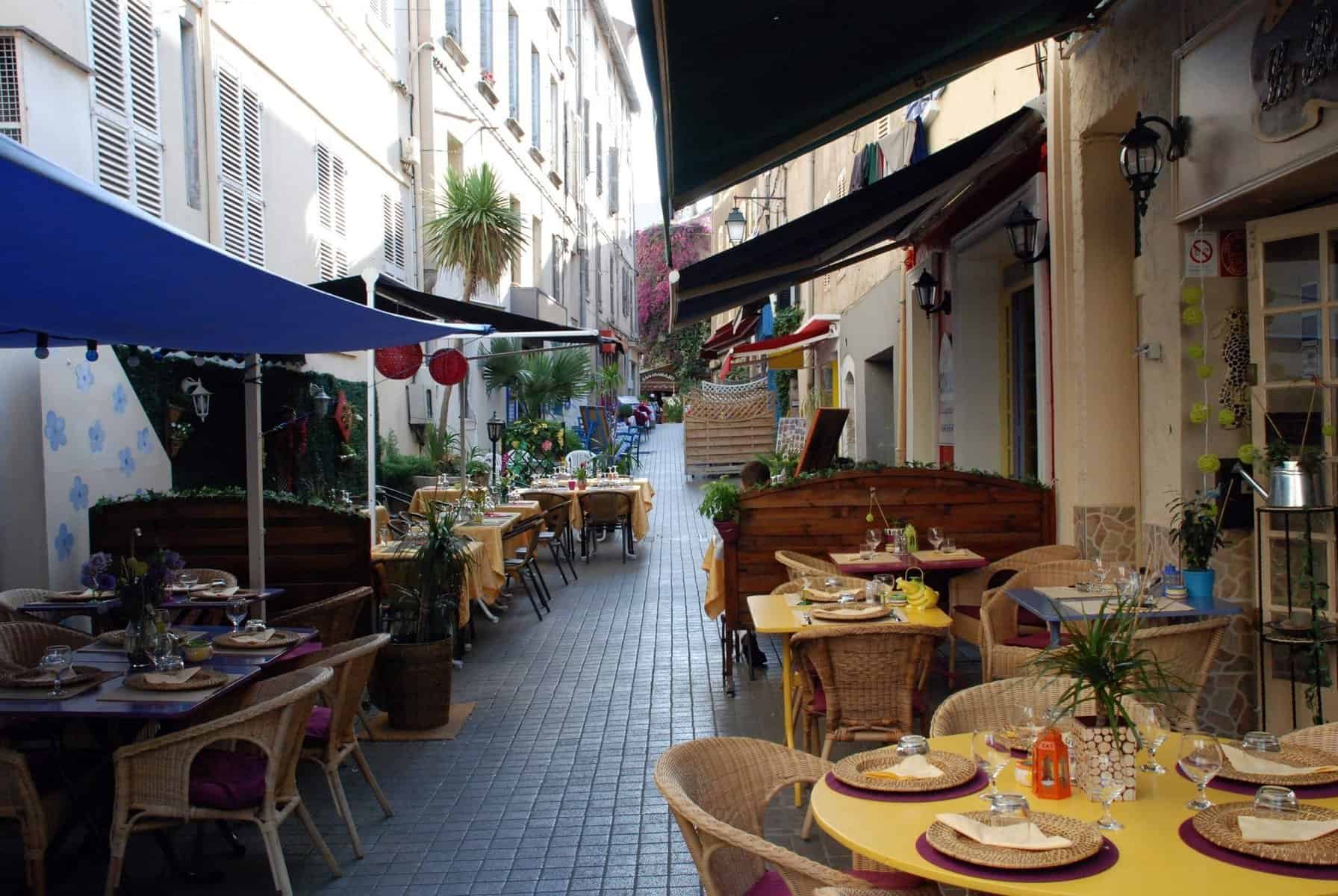
What do you eat in France?
We approach it like it was a menu at a classic French restaurant.
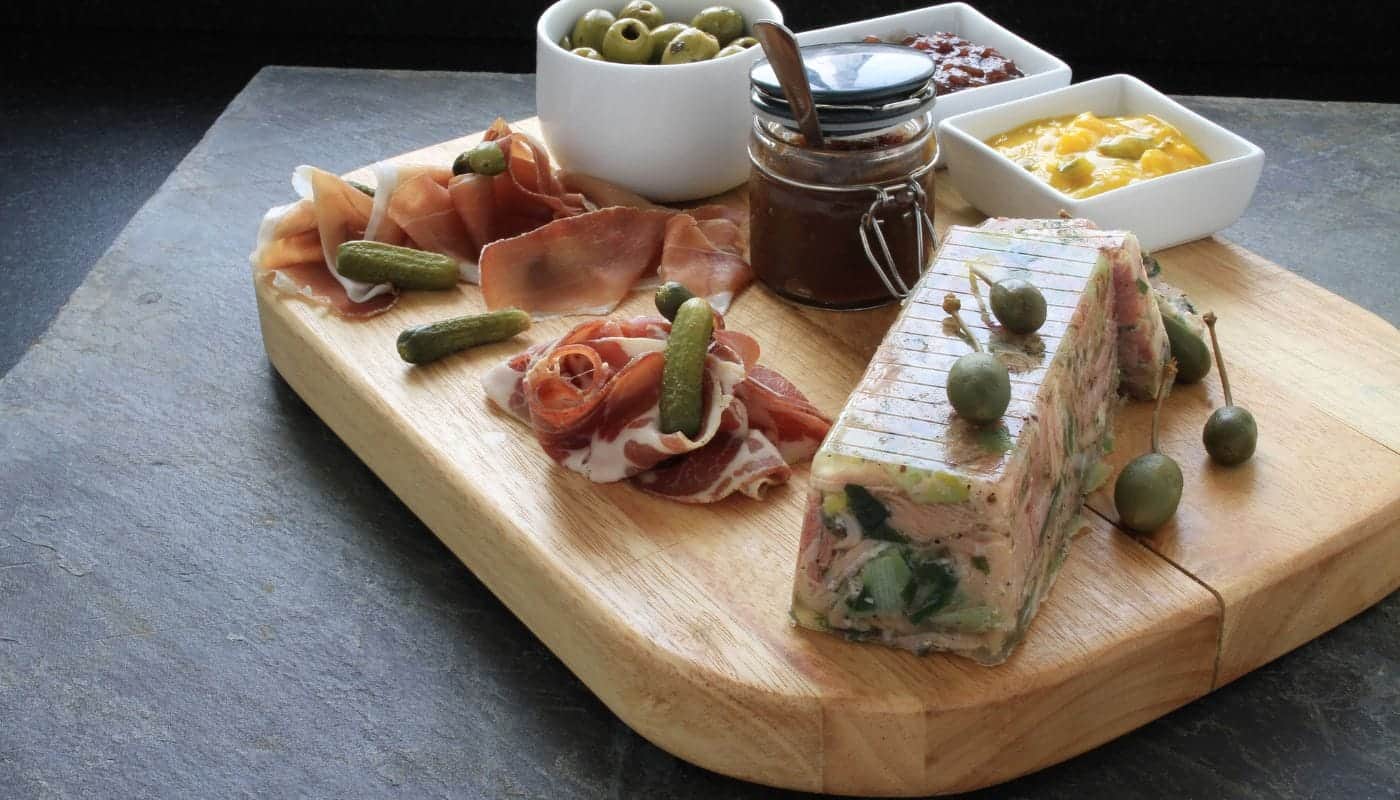
Appetizers in French cuisine
Before the meal we eat food, namely French appetizers, a pre-starter tapas-like invention, "amuse-bouche" means delight and surprise the mouth.
Charcuterie is small delicacies
Cognac shrimp with garlic butter
Main courses in French cuisine
Steamed mussels with french fries
Foie gras, maligned French food
Pommes Duchesse, the princely potato
Desserts in French cuisine
French cheeses
Goat cheese
Brie
Sweet desserts
The proud and long tradition of French food
When it comes to food, French cuisine has a clear advantage in a long culinary tradition with excellent cuisine and good food in constant and continuous development. Eating well is a lifestyle that is practiced more than in Denmark with friends and family. Although we are well behind in it.
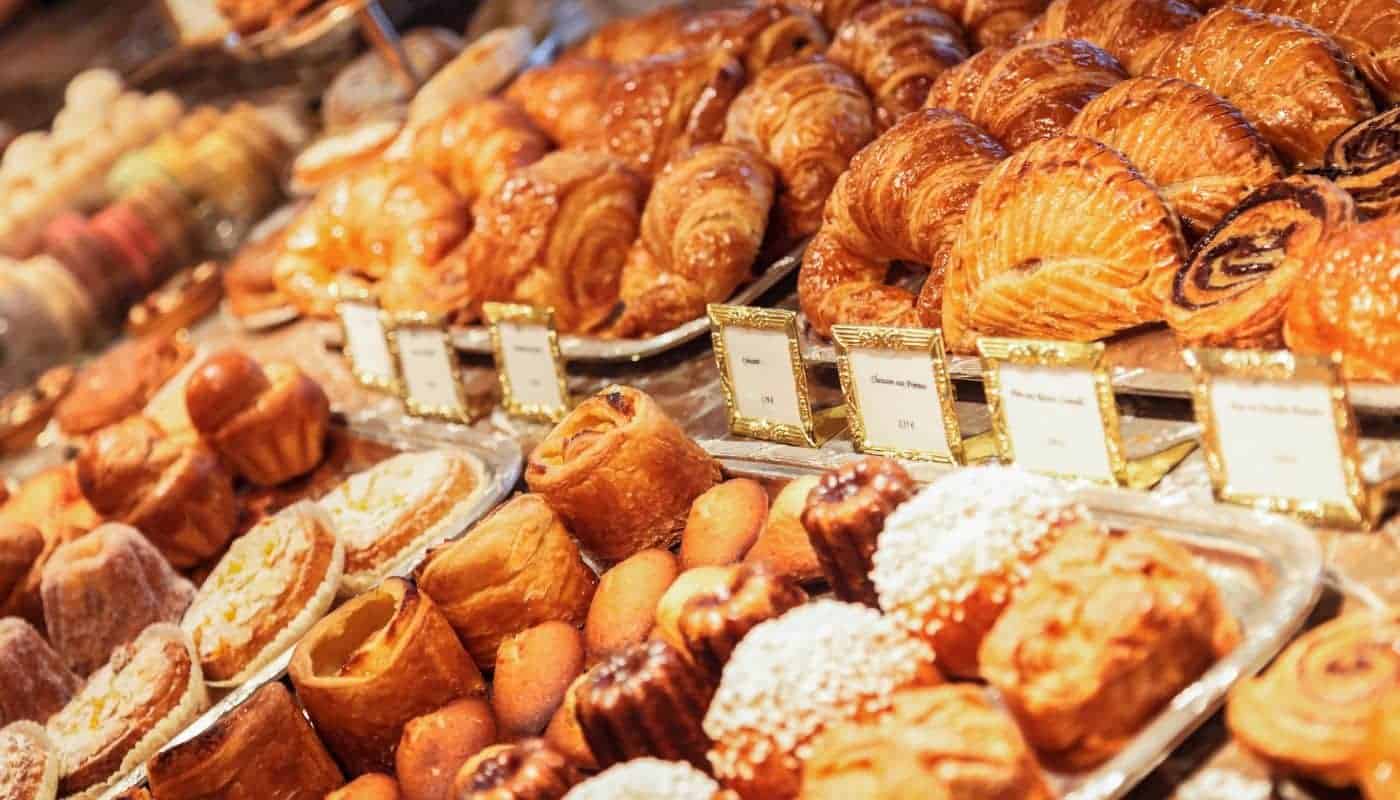
French food consists of 100s of well-known dishes and a blessing of regional dishes that we don't always know as well. And don't worry, the French don't always do that either. It's a huge treasure trove of dishes that "hide" in the many provinces and regions of great France. All with their own story to tell. It never stops.
Modern French cuisine began here, 55 years with 3 Michelin stars
Escoffier, the famous French master chef, more or less created the modern, gastronomic, sometimes extravagant French cuisine in the 1800th century. And others followed in his footsteps, such as the also legendary chef Paul Bocuse, who ruled Lyon for many years in the restaurant l'Auberge du Pont de Collonges . Here he created la nouvelle cuisine as the primary driving force. We also know the French, now famous market cuisine from here, inspired by Lyon and Paris market sales from fish to peaches. The selection of the day on the market dictates the day's menu in the French market cuisine. For a whole 55 years, this restaurant had 3 Michelin stars until 2020, 2 years after Bocuse's death.

Thanks for the French food input, where true food joy reigns
We have a lot to thank the French for in terms of food culture. Judging by the quality of food from Alsace to Provence, and the true joy of food as an essential part of French cultural traditions, it is clear that the French have it all. Food is a central part of French culture, and joie de vivre in France is deeply connected to togetherness and the joy of sharing a good meal and a little wine.
Are you ready to try your hand at French food in the kitchen?
In fact, it is not as difficult as some might imagine to prepare and enjoy French food and achieve French food quality in a style that traditional French cuisine exhibits, whether on holiday in France of course or at home. You just have to find some French, simple dishes that you like and then take it from there. That is what we do here.
Below you can see a number of suggestions for traveling in France: Traveling is (also) eating locally and well.
Bon appetit!

France's many regions create great variety in French cuisine
France has many different geographical areas and climates that promote local processing of all kinds of food ingredients, which allows French cuisine to offer great diversity. To a large extent, French cuisine is quite fundamentally based on fresh, high-quality ingredients and less complicated recipes than most people think. It is, among others, the aforementioned Escoffier who was responsible for the complicated and refined, but French cuisine covers the whole spectrum from 6 snails in garlic butter to dishes stuffed with truffles and fois gras. In other words, meals range from the most simple, such as the typical cheese baguette and a glass of cheap table wine, to very detailed and professionally demanding meals that can include many dishes and various specialty wines.
Let's start somewhere in the spectrum of excellent food with iconic appetizers that warm the heart and body.
Learn the French way of eating. French food starts here: Appetizers, entrées, desserts
Starters range from small bites to a delicious little fish soup, grilled shrimp, omelette, and much more. Several of the dishes shown work well as both starters and main courses. It doesn't have to be so formal.

Charcuterie are small delicacies from beef to olives. Where does “charcuterie” come from? What does it mean?
Done right, the charcuterie board is a simple but appetizing experience or a downright impressive sight. There are sausages from beef to pork to lamb. There is pâté. And then there is mustard and pickles and crusty baguettes, and the not insignificant fact that we could eat it all with our hands. That's today's bonus info: Charcuterie can be eaten directly with your hands in France. It's simple and honest food. It's grabbers.
What does Charcuterie mean in French?
The word itself comes from the French word for “meat” and cuit, meaning “cooked.” It first entered the culinary lexicon in the 15th century, when shop windows were filled with sausages, etc. made from pigs and, in fact, offal at a time when shop owners were not allowed to sell raw pork. These owners, charcutiers, hung cured meats, i.e. sausages, etc. in their windows to draw customers in. It worked: The craft was mastered and developed, and a new food culture was born.
Before the meal you also eat, namely amuse-bouche
In France, there is a type of appetizer or snack called “amuse-bouche” that can be considered French tapas.
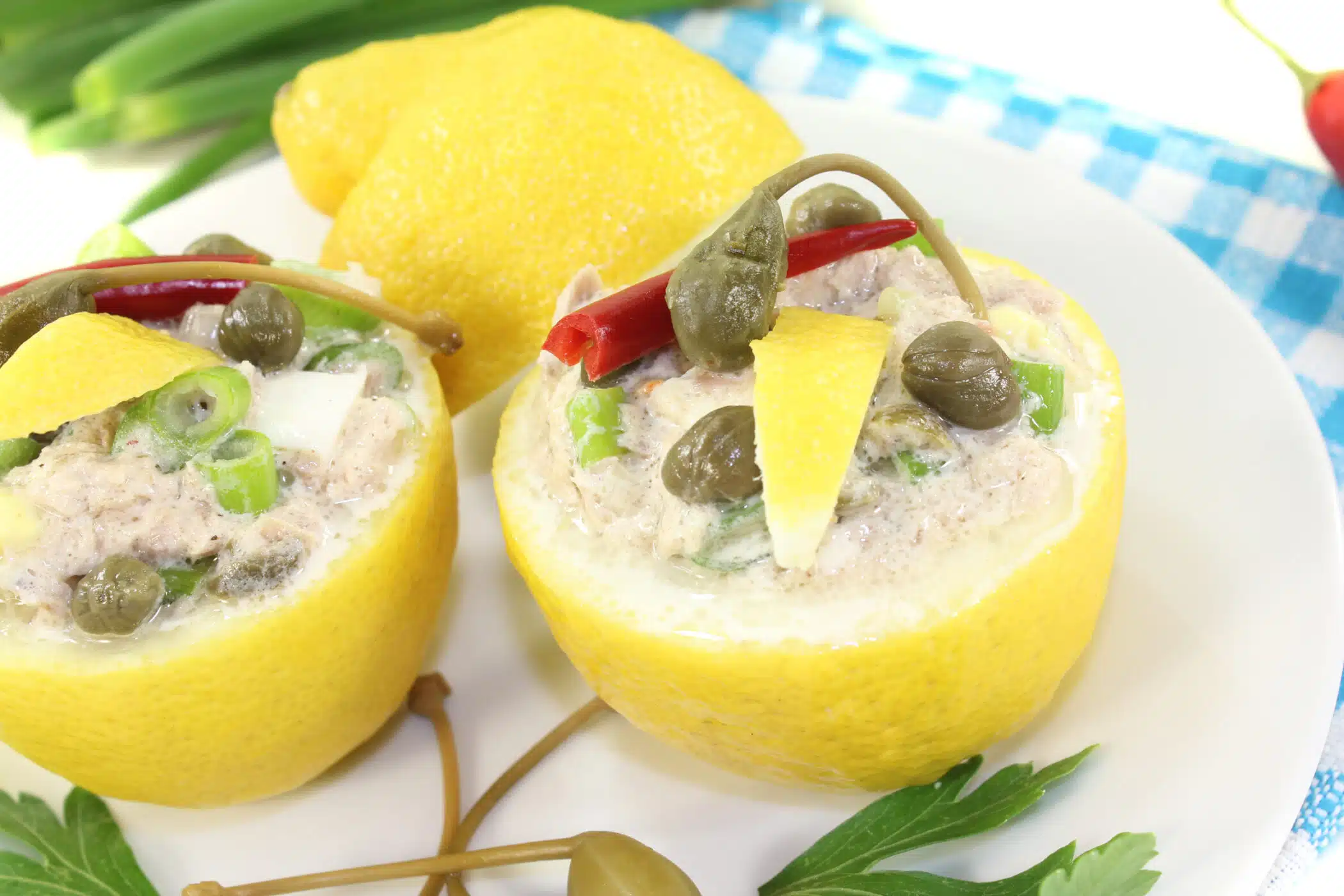
Amuse-bouche are small mouthfuls of food served before the main course to stimulate the appetite and taste buds. They can be anything from small sandwiches or pieces of pie to individual ingredients or small plates of delicacies.
The big difference between amuse-bouche and tapas is that tapas are typically served as a kind of buffet with several different small dishes, whereas amuse-bouche is usually served as a single small snack or dish on a plate, and is often part of a finer dinner.

Savory Soufflés can do a little bit of everything in French cuisine
French food has many specialties. Here is one of them. A soufflé.
Soufflés can be savory or sweet. Sweet soufflés usually have a sauce in the center and are served almost exclusively as a dessert. Ingredients such as eggs, cheese, lobster, or onions are sometimes found in savory soufflés, and they are typically served as an appetizer.
The dish got its name from the French word souffler, which means to whisper, and in the 18th century in France, the sweet and savory versions of this delicacy were first made.
There are many variations of the dish today, with ingredients such as chicken, figs, kiwi, broccoli, corn, sweet potato, pineapple and vegetables.
Bouillabaisse is the famous French seafood soup.
The South of France is known for its delicious seafood soups. Best of all is the famous Bouillabaisse. Here you will find a full recipe for this delicious dish.
Bouillabaisse is a meeting of the gifts of the sea and Provençal cuisine. It is a delicious blend of olive oil, garlic, tomatoes and saffron in a tomato-saffron broth based on the day's selection of fish and shellfish. This feast can never be made twice identical as it all depends on the ingredients of the day and the personal inspiration of the chef.
Bouillabaisse with seafood
Learn how to make delicious bouillabaisse with this simple recipe!
Here is the basic recipe for Bouillabaisse, which can be adjusted according to the chef's taste and the available ingredients:
List of ingredients:
For your broth:
2 tablespoons olive oil
1 chopped onion
Finely chop 2-3 cloves of garlic.
Cut 1 fennel bulb into thin slices.
2-3 tomatoes, diced (or a can of chopped tomatoes)
1 teaspoon saffron threads (or saffron powder)
1 bay leaf.
1 liter of fish stock (homemade or purchased)
1 glass of dry white wine
Season with salt and freshly ground black pepper.
For fish and seafood:
It's a good idea to have freshly caught fish like cod, salmon, redfish and sea bass cut into large pieces. This will give the best results!
Shellfish, such as shrimp, mussels, clams, and lobster tails, have been a popular food for generations.
Garnish your dishes with fresh herbs such as parsley, tarragon or dill.
Bouillabaisse, the French soup, is made from mussels, clams, spiny lobster, octopus, cod, and trout.
A French soup, Bouillabaisse, with mussels, octopus, lobster, squid, cod and trout in a white bowl with blue patterns.
How to make a tasty Bouillabaisse:
Place a large soup pot over medium heat and add the olive oil. Once the oil is hot, add the onion, garlic and fennel and sauté until the onions are translucent but not brown.
Add the chopped tomato, saffron threads and bay leaf to the pan and stir well. Simmer for a few minutes to give the flavors time to blend.
Add fish stock and dry white wine to the pan. Bring to a boil and simmer for about 15-20 minutes to develop the flavour of the broth. Season with salt and pepper.
Once the stock is ready, add the seafood. Start with the fish that needs the most cooking time and work your way down. Overcooking fish can make it dry and tasteless, so be sure not to leave it in the stock for too long.
The fish is almost ready, so it's now time to add the shellfish like shrimp and clams. Put a lid on the pot and let it simmer for a few minutes until the clams open.
When the bouillabaisse is finished, remove the bay leaf and add salt and pepper to taste.
Serving suggestions and a selection of wines to match your fish soup
Serve bouillabaisse in deep bowls and sprinkle with fresh herbs on top. Traditionally, it can be served with toasted bread and rouille (a garlic and saffron aioli) for an extra touch of flavor.
Now it's time to enjoy an authentic bouillabaisse! As mentioned before, this recipe is just a guide; you can adjust the ingredients according to your individual preferences and seasonal ingredients. We hope you find joy in exploring this delicious dish!
To get the best bouillabaisse, we recommend that you choose a white wine that harmonizes well with the flavor and aroma components that make up the dish. Here are some recommendations for white wines that go well with bouillabaisse:
Look for French white wines
Marsanne is a full-bodied white wine with flavors of peach, pear and honey. This wine adds a delicious roundness and texture to the dish.
Roussanne is another full-bodied white wine that has subtle hints of flowers, nuts and honey. Its complex character makes it perfect for accompanying bouillabaisse.
Viognier: A fresh and fragrant white wine with notes of apricot, peach and flowers. This wine expands the aromatic nuances of your dish, giving it a boost of sweetness.
Chardonnay: Classic and versatile. This grape can offer a variety of flavors, from the full-bodied and buttery variety to the more mineral and fresh version. A good Chardonnay pairs perfectly with bouillabaisse.
Muscadet: A fresh and light white wine with citrus and mineral aromas. This wine is a good choice for dishes like bouillabaisse, as it contributes a mild flavor experience.
Picpoul de Pinet is a light and sparkling white wine with notes of green apples and lemon. It is perfect to accompany seafood dishes such as bouillabaisse.
If you're looking for a Sauvignon Blanc, Sancerre or Pouilly-Fumé from the Loire Valley are good options. They often have a tangy, tart touch, and the flavors of gooseberries, grapefruit, and grass go well with bouillabaisse.
A white wine with the right freshness, acidity and fruitiness is the perfect choice to compliment the intense flavors of bouillabaisse. When it comes to food and wine, it's best to try different options and find the one you like best.
Find your white wines here (winetalk.dk)

Pesto soup. A classic in French cuisine and from Provence.
Pesto soup, like ratatouille, is native to Provence, and it's the second or third example in the French culinary canon of a good vegetarian dish. The soup contains pancetta in its original form, but changes can certainly be made to the recipe if you're dining with a committed vegan or are one yourself.

Cognac shrimp with garlic butter, when things are going wild in French cuisine. See the recipe for Cognac shrimp.
We can't do this roundup of French cuisine without mentioning the combination of shallots, wine, cream, butter, and cognac and white wine—it's a signature French dish, so here it is. These ingredients come together in this delicious shrimp-based main course that's easy to prepare.
The name of this shrimp in cognac recipe makes it sound more sophisticated and perhaps more difficult than it actually is – a butter blanc is simply a butter and wine sauce. You’ll be pleased to see how short and simple the ingredient list is. You may already have everything you need for this dish in your kitchen.
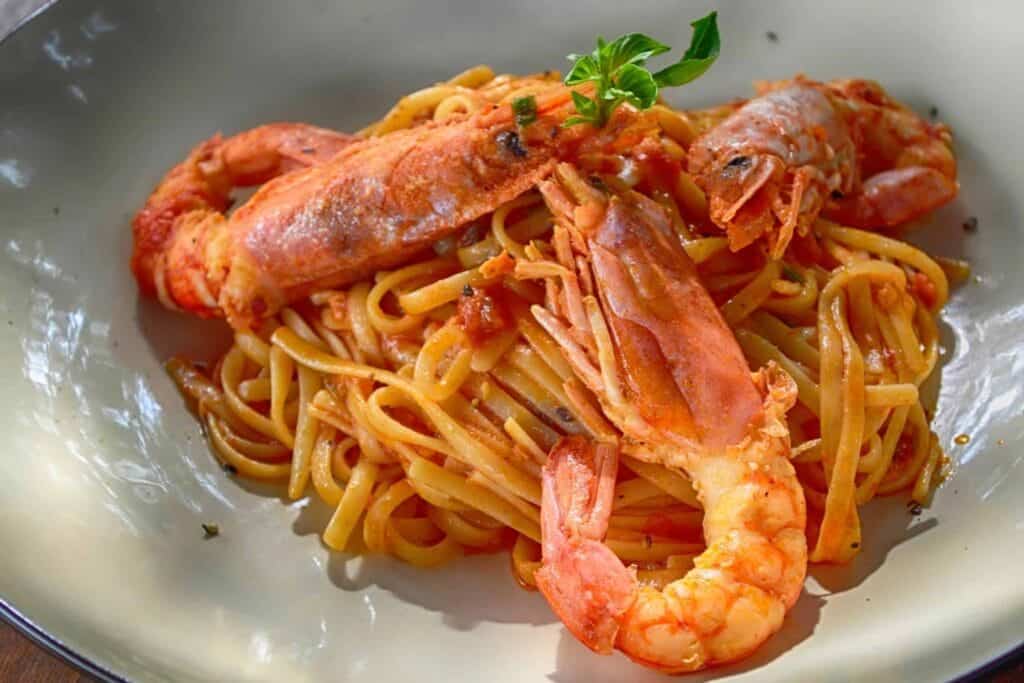
Recipe for Shrimp in Cognac with Beurre Blanc and White Wine
You will need 2 shallots, 200 -400 grams of large shrimp, cream, white wine, cognac (2-3 cl), butter (50-100 grams) and a little garnish like basil. Takes less than 15 minutes. Be careful not to overcook the shrimp, they should still have a bite and firm consistency. Be careful not to burn the butter. It is a very easy dish and most people will love it.
- Simmer the butter with the charlotte onion, white wine and lemon juice in a small saucepan over low heat for 5-10 minutes, until the mixture is reduced to about 2 tablespoons.
- Add cream and bring the temperature down to a gentle simmer.
- When the first few bubbles rise, turn the heat down very slightly and add the 12 (yes) tablespoons of butter, one tablespoon at a time, stirring constantly. Be sure to let one layer of butter melt completely before adding the next.
- Once the butter is fully incorporated, you have a beurre blanc sauce with white pepper. Set it aside for a moment.
- In a frying pan over high heat, melt 5 tablespoons of butter and then sauté the shrimp, i.e. turn them in the butter on the hot pan. and turn the large, beautiful shrimp a few times until they are cooked through – about 3-4 minutes.
- Reduce the heat to low and add a little salt to the shrimp.
- Carefully add the Cognac (it may flame) and stir thoroughly. Pour the hot Beurre Blanc sauce over the hot shrimp and serve.
- Remember to bring bread and good white wine.
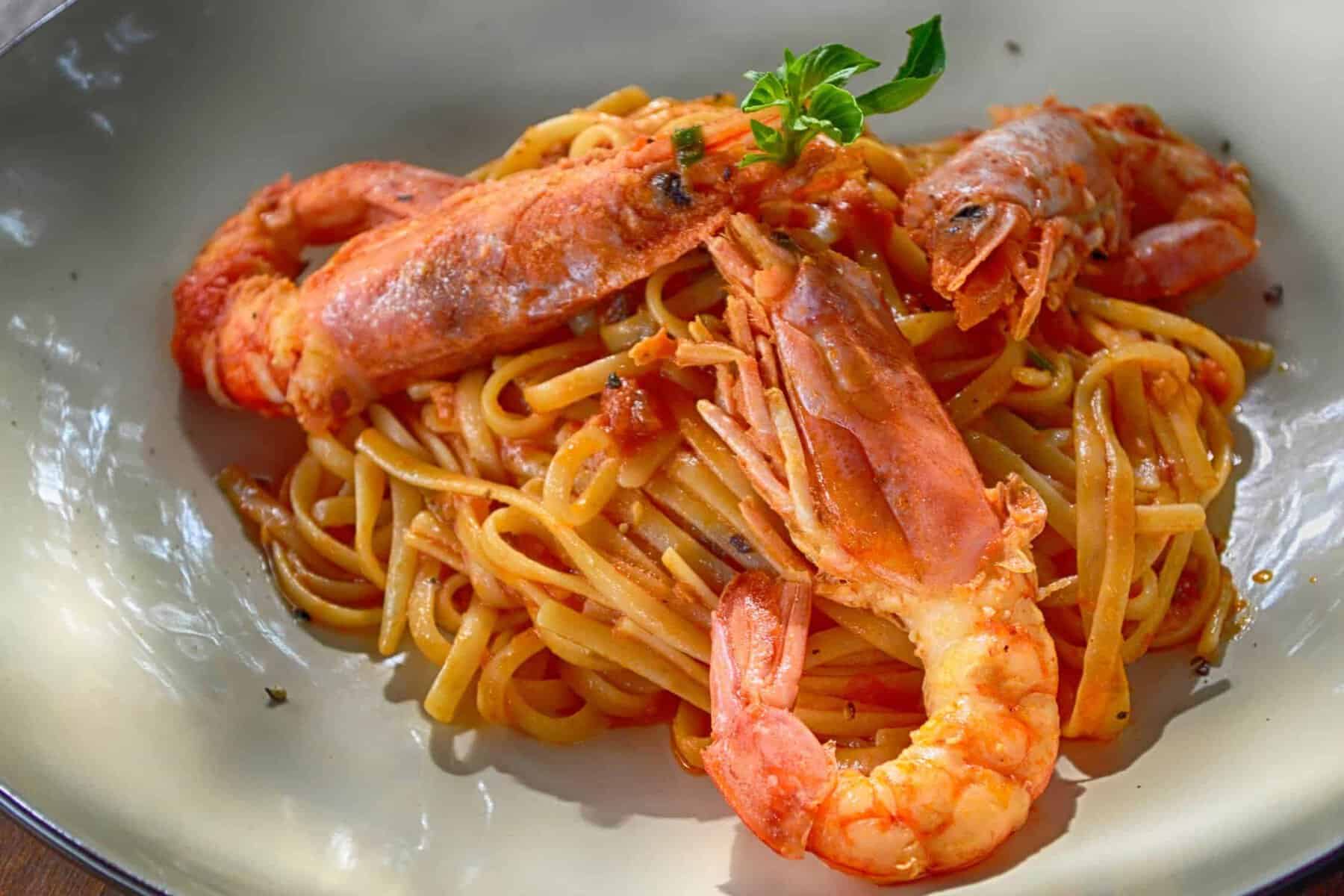
Other dishes with shrimp: King prawns with pasta

French white wines that go well with French food like fish and seafood
This applies to most dry white wines, champagne and sparkling wine in general. But preferably gentle wines that do not overpower the refined and unobtrusive taste of shrimp and cognac. As an example, we have found a white Burgundy, but smaller ones can easily do it. See a large selection of French wines here.
Saint Aubin Domaine Sylvain, Langouereau
Saint Aubin Domaine Sylvain Langoureau 2016 comes from the exclusive quality producer Domaine Sylvain in Langoureau in Saint-Aubin. They produce this rich, white Burgundy. White Burgundy is one of the hardest wines to buy because many have become incredibly expensive, but here is a really good offer for a white Premier Cru Burgundy that fulfills all promises. This premiere Cru Burgundy has a soft and fresh taste of green fruit, lime and faint oak. With its relatively low acidity, Saint-Aubin has a fine structure with an extremely pleasant aftertaste. Saint Aubin is ideal for light appetizers and seafood or veal dishes. A fine reference wine for affordable white Burgundy.
French food. We have reached the Plats principaux. Iconic main courses
This is where we know French cuisine best, from refined versions of steak with fois gras to rustic, relaxed stews.
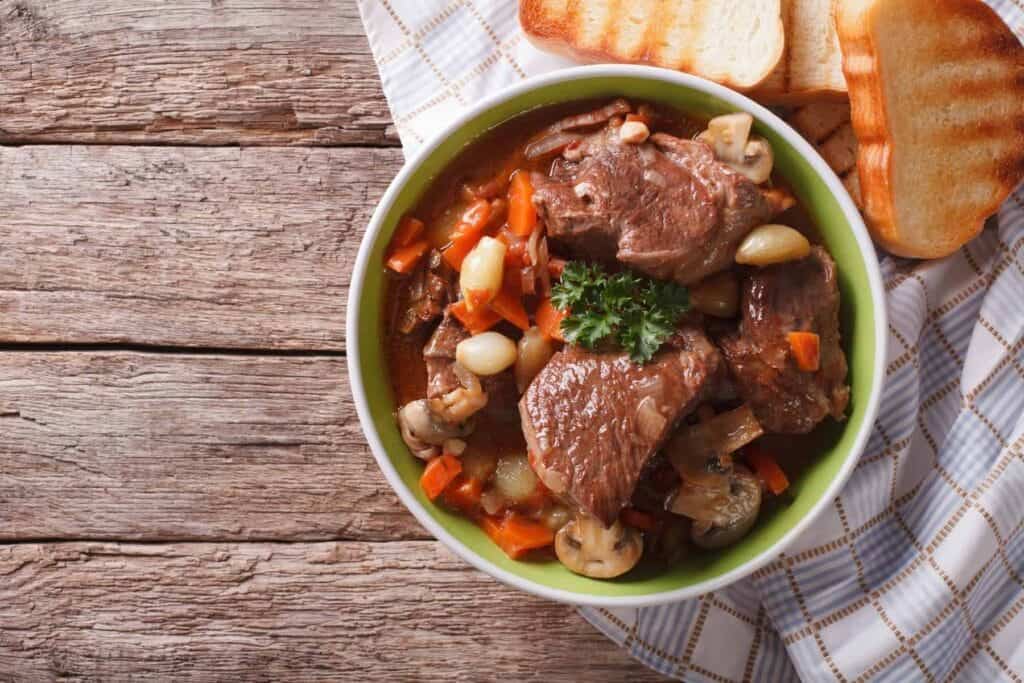
Boeuf Bourguignon, squeeze a little tear and pour in 1/2 bottle of Burgundy, then drink the rest as comfort.
Boeuf Bourguignon is a rich and varied stew that comes from the Burgundy region of France, one of the most famous red wine regions in France. A robust red Burgundy wine made from the soft Pinot Noir grape is the star of the dish (you don't need a top wine from the region), poured with appropriate devotion. It is used to flavor tender cuts of Charolais beef with onions, garlic, thyme, carrots, potatoes and mushrooms. And often a few orange peels to make the taste even better with added sweetness and slight bitterness. Get all your taste buds activated.
Beef bourguignon or bœuf bourguignon, also called bœuf à la Bourguignonne, is quite simply a beef stew, which is tender beef in red wine, often red burgundy, and beef, typically flavored with carrots, onions, garlic and a bouquet garni (herbs) and garnished with pearl onions, mushrooms and bacon.
The ingredients are cooked for some time at a not too high heat (min. 30 minutes) until the meat is absolutely tender and juicy, and all the juices are mixed together into a dark, smooth sauce. After being kept in the refrigerator for 24 hours and then reheated, some say the dish tastes even better, but is there anything left?
Boeuf Bourguignon dates back to the Middle Ages, so long has the slow cooking technique been in use. It uses only readily available ingredients, but cuts that require little time in the pot. There is no need to burn an expensive cut of steak here. Quite the opposite. It is a true gastronomic delight to combine beef in the bourguignon format with a wine of almost the same name.
Recipe for Beef Bourguignonne
In this recipe it is very correct old school and takes 2 days as the meat rests, now you know that is an option. But you can easily make the dish the same day in a couple of hours including the dish simmering and you can make something else and everyone is happy.
You will need:
1,2 kg beef, can be beef lump or inner thigh
1 garlic cloves
1 star anise
1 sprig of thyme
3 bay leaves
1 l full-bodied red wine (preferably French and made from pinot noir)
5 tablespoons sunflower oil
6 carrots, cut into large chunks
1 onion, coarsely chopped
3 celery sticks, coarsely chopped
1 teaspoon tomato paste
1 full spoon of plain flour
150 g unsmoked bacon, preferably smoked
150 g pearl onions or small banana shallots, peeled
150 g button mushrooms
1 large parsley bunch, leaves roughly chopped for serving
STEP 1
A day or two ahead, cut the beef into large pieces, about 5 cm. Personally, I prefer strips, they are also easier to get tender in less time. Put in a glass bowl with garlic, star anise, thyme, bay and lots of spices. Mix everything well. And pat on the back: drink a glass of French red wine.
STEP 2
Pour 1/2 to 1/1 bottle of wine into a large saucepan. Bring to a boil. Pour the wine over the meat, then cover and cool slightly before chilling overnight or for up to 36 hours.
STEP 3
Lift the beef out of the marinade and pat dry with paper towels. Heat half the oil in a large saucepan. Working in batches, brown the beef for 10 minutes, adding more oil if necessary. Once browned, transfer the beef pieces to a plate.
STEP 4
Preheat the oven to 150°C. Add a touch more oil to the dish, then tip in the vegetables and brown gently for 10 minutes. Using a wooden spatula, sprinkle in the flour and cook for 2 minutes, then stir in the tomato paste. Add the meat and any juices from the pan back in, then pour in the marinade with everything. Bring to a simmer and give it a good stir, then cover and put in the oven for 3½-4 hours, stirring every hour or so, until the meat is very tender. You now have a delicious rustic stew that can be served as is, but go ahead and take it to the next level.
STEP 5
Allow the stew to cool, then carefully tip it into a sieve or colander over a bowl. Lift the meat and carrots back into the pot, then squeeze everything else in the sieve to extract the juices and squeeze some of the garlic through. Simmer this sauce in a saucepan for 10 minutes or until it is the consistency you like, then pour over the meat.
STEP 6
While the meat is braising, heat the remaining oil in a frying pan. Fry the bacon and onions for 15 minutes, until the bacon is crispy and the onions are softened but not burnt, just browned. Set the temperature to about 225 degrees briefly, add the mushrooms and almost roast them. Pour the contents of the frying pan into the pot, stir and let it simmer for a few minutes. Scatter over the parsley, then bring the dish to the table and serve with, for example, fresh potatoes of your choice.
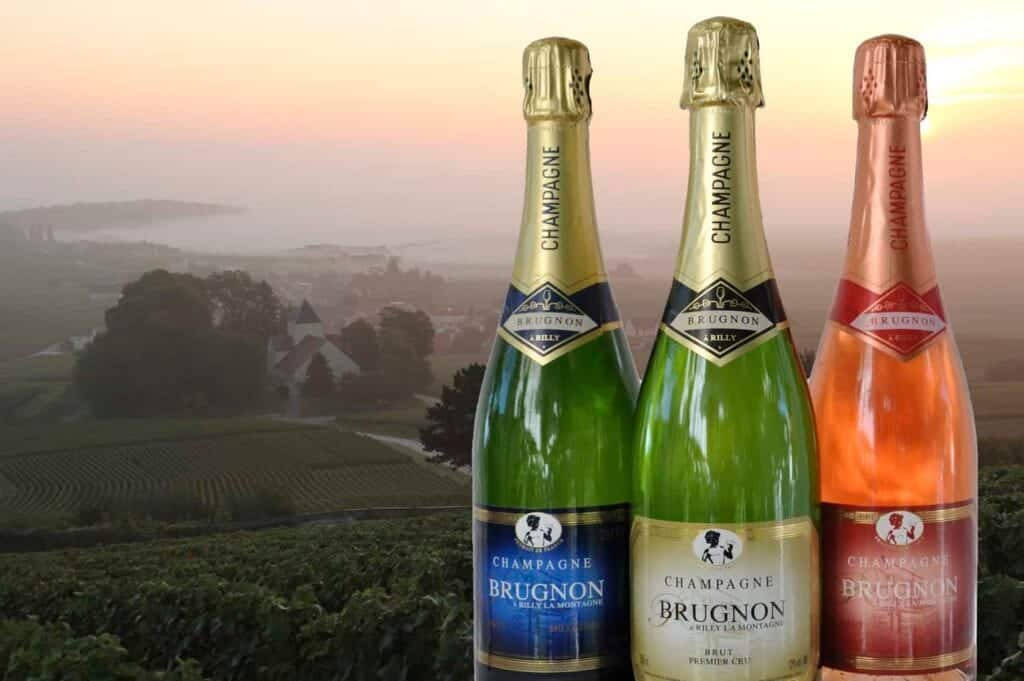
Real champagne that elevates any meal
French Champagne is a chapter in itself. It is a protected brand and name. If you do not produce Champagne in the geographical Champagne, then you have to call it Sparkling wine or something else. But in Champagne there are approx. 1900 producers. Of these, less than 50 are classified Premier Cru and even fewer Grand Cru such as Bollinger and Moet & Chardon. Welcome to an exclusive wine world. But it is simply delicious.
As an accompaniment to better food, Champagne goes with most things, especially perhaps all fish and shellfish. With many starters in general and with veal, of course with fois gras, now the cork is off, so just try it out. There are no unbreakable rules. You can always eat less and drink more of real French champagne. It's not worse.
Intro to France as a travel country

Coq Au Vin, put a rooster in red wine and wait until it goes crazy
Many traditional French recipes were invented out of necessity as a way to make cheap food taste better. This is also the case with this classic chicken dish, which is extremely tasty. That rooster has not lived in vain. If you can find a rooster from Bornholm yourself, then you are 80% in place to emulate one of the world's most famous dishes.
Coq au vin simply means “rooster in wine,” and it was intended as a way to cook the frankly not-so-tender meat of a rooster. It’s a country dish that’s now often made with a chicken or rooster as it should be, and the dish is just loaded with vegetables. It takes a few easy steps in the recipe, and easy, unattended cooking, but the techniques aren’t that difficult, and the end result is worth it. This casserole has become a new family favorite. Not a lot of butter, but a lot of wine!
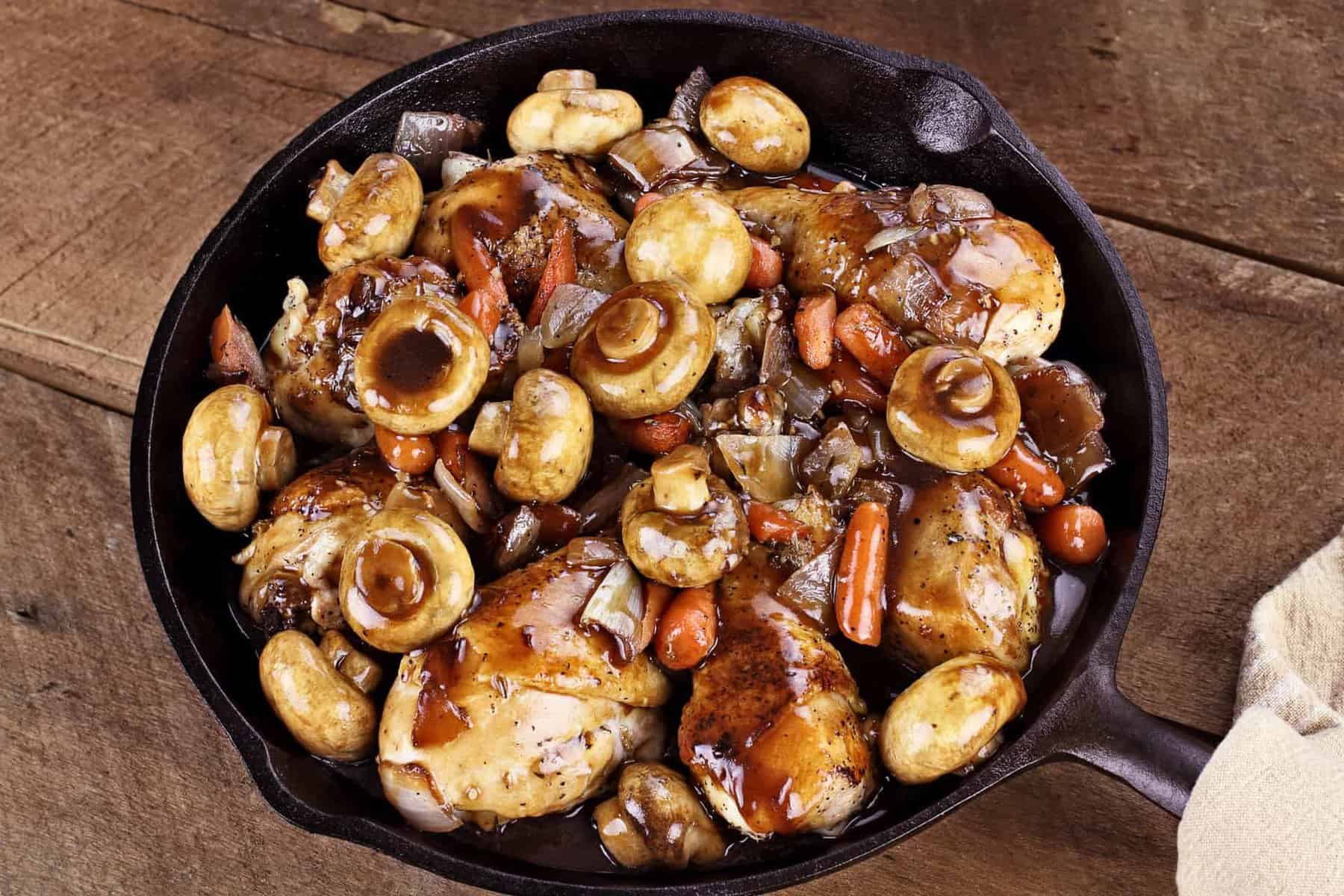
What you need:
1 rooster, or poulard or hen
100-150 g bacon or pancetta, preferably hand-cut into larger cubes
a little olive oil and butter
1 large onion
Diced carrots
10-15 pearl onions or shallots in smaller pieces, not finely chopped
200-250 g mushrooms, preferably small ones that you use whole
2 tbsp flour
1 bottle of red wine, maybe a better cardboard wine, so there are also a few glasses left
3 dl chicken broth
2 cloves of garlic
2 tsp thyme
salt and pepper.
Accessories:
Mashed potatoes (See further down this page: Pommes Duchesse
or flutes and salad)

How to cook Coq au Vin
Preheat the oven to 120°C.
Heat olive oil in a large saucepan. Add chopped bacon and cook over medium heat for 8 to 10 minutes, until lightly browned. Place bacon on a separate plate.
Meanwhile, place the chicken on paper towels and pat dry. Sprinkle both sides of the chicken with salt and pepper. Once the bacon is removed, brown the chicken pieces in batches in a single layer for about 5 minutes, turning until evenly browned. Remove the chicken to the plate with the bacon and continue browning until the entire chicken is done. Set aside.
Add carrots, onion, 2 teaspoons salt, and 1 teaspoon pepper to the pan and cook over medium heat for 10 to 12 minutes, stirring occasionally, until onions are lightly browned. Add garlic and cook for 1 minute more. Add Cognac, if desired, for depth of flavor, and add bacon, chicken, and any juices that collect from the pan to the pan. Add wine, chicken stock, and thyme and bring to a simmer. Cover the pan with a tight-fitting lid and place in the oven for 30 to 40 minutes, until the chicken is just no longer pink. Remove from the oven and place on the oven rack.
Mash 1 tablespoon of the butter and the flour together and stir into the pan. Add the frozen baby onions, if desired. Add the remaining 1 tablespoon of butter to a medium saucepan and cook the mushrooms over medium-low heat for 5 to 10 minutes, until browned. Add to the stew. Simmer over low heat for another 10 minutes.
And then the light wine dish from Burgundy:
More about Burgundy food & wine
It became a whole theme, but in France it is also food with wine. Here is the reward, a delicious dish with red wine that you can make in 15 minutes, 20 is also ok. Poached eggs in red wine.
Oeufs en Meurette from Burgundy. Poached eggs in red wine sauce
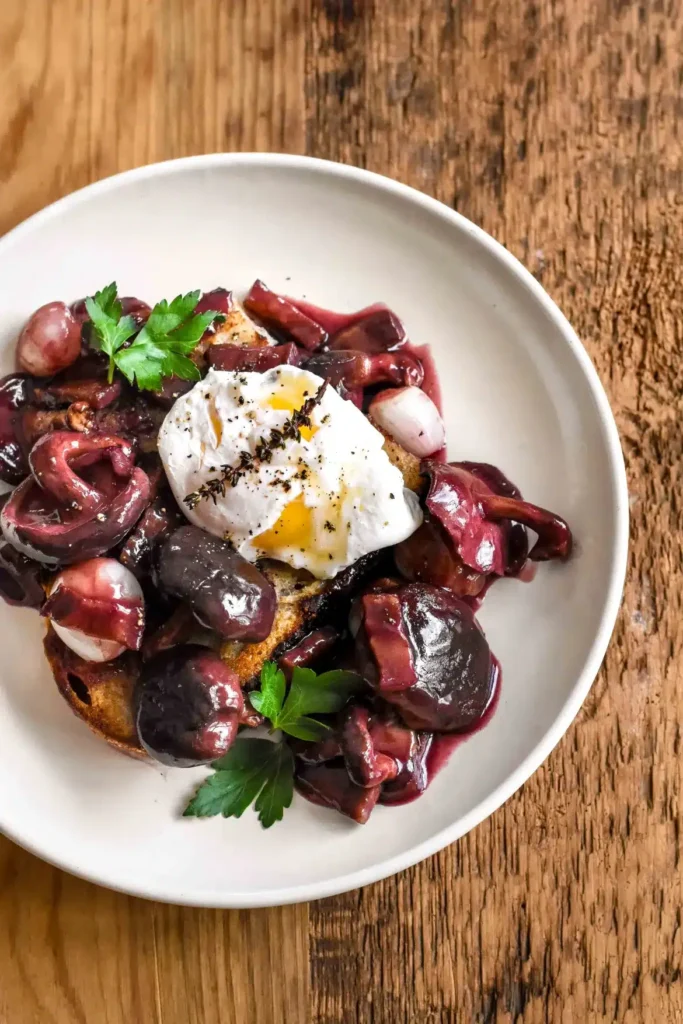
Oeufs en Meurette, also known as eggs in red wine sauce, is a classic French dish from the Burgundy region. This delicious dish consists of poached eggs served in a rich red wine sauce with bacon, onions, and mushrooms. Here is a recipe, cooking time estimate, tips, and a little history about the dish:
Recipe for Oeufs en Meurette:
Ingredients
- 4 fresh eggs
- 200 g bacon, diced
- 1 onion, finely chopped
- 200 g mushrooms, sliced
- 2 cloves garlic, finely chopped
- 1 bottle of red wine (preferably Burgundy or another dry red wine)
- 2 tablespoon tomato puree
- 1 tablespoon of flour
- 2 tbsp butter
- Fresh herbs (e.g. parsley or tarragon) for garnish
- Salt and pepper to taste
How to make delicious Oeufs en Meurette
- Heat a large pan over medium heat and fry the bacon cubes until crisp. Remove from the pan and set aside, leaving the fat in the pan.
- Add the onion and mushrooms to the pan and fry until tender and lightly golden. Add the garlic and fry for a further 1 minute.
- Sprinkle flour over onion, mushrooms and garlic and stir well. Add tomato paste and stir again.
- Slowly pour the red wine into the pan and stir well to combine the ingredients. Bring the sauce to a boil and simmer for about 15-20 minutes until it has reduced slightly.
- While the sauce is simmering, poach the eggs. Bring a pot of water to the boil and add a dash of vinegar. Carefully crack each egg into a cup and gently drop them into the simmering water. Poach the eggs for 3-4 minutes for a soft consistency, or longer if you prefer them firmer.
- Once the sauce has simmered for 15-20 minutes, season with salt and pepper as needed. Add the butter and stir until it melts and mixes well with the sauce.
- When the eggs are done, carefully remove them from the pan with a slotted spoon and let them drain on a piece of kitchen paper.
- Arrange the eggs in deep plates and pour the hot red wine sauce over them. Sprinkle with the crispy bacon cubes and fresh herbs for garnish.
Time estimate: Preparation time: approx. 15 min,
Bon Appetit!
Choucroute from Alsace, is there gunpowder in Choucroute? Yes, you can believe it
A visit to Alsace is undeniably linked to cabbage – the specialty choucroute, which is variations on the theme of sauerkraut, sausages and thick slices of bacon, Dijon mustard, charcuterie or fish. On every other street corner in Strasbourg, the smell of this dish wafts towards you, for better or worse. The question is, do you really know this culinary institution in Alsace and French cuisine or have you perhaps rejected it in advance? If you don’t go crazy for sausages, it is actually a light dish, but sausages, bacon and meat do not make it any less. Here we reveal all the secrets behind this cozy dish, which warms you up on a cold winter day. Fermented cabbage, small, protruding sausages and maybe a Gewürtztraminer? A dish you can also easily make at home. Give it a try.
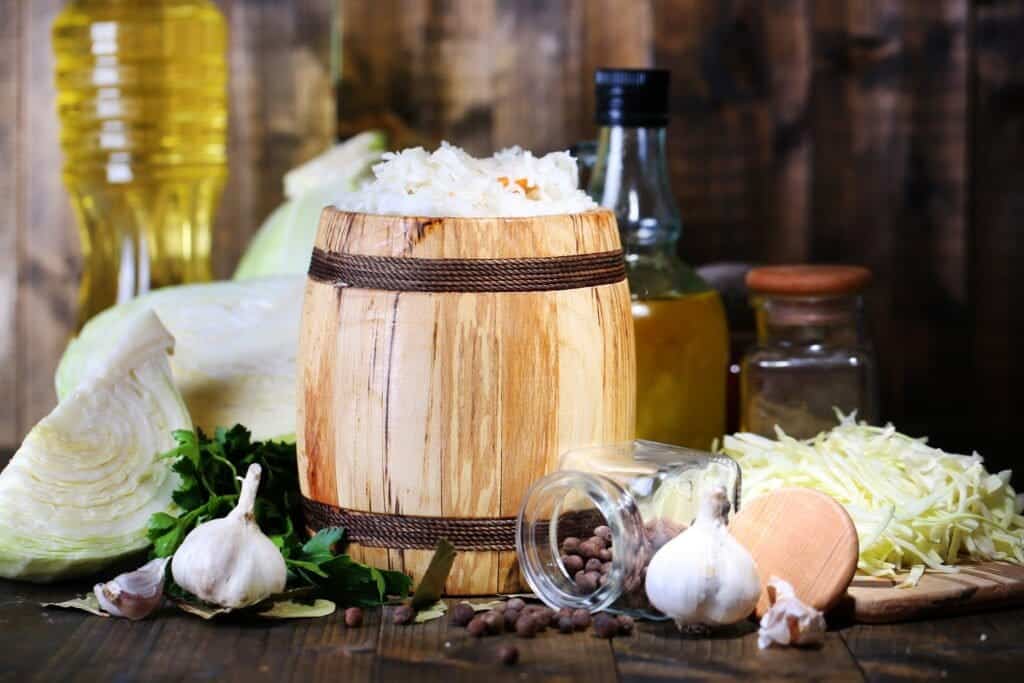
The perfect wine for Choucroute is the local white wine and famous in Alsace, Gewürtztraminer. It is an excellent Alsatian wine with acidity and body that can match slightly fattier food (like sausages) and also mature cheeses and fois gras perfectly.
Alsace wines on Winetalk.dk, Gewürtztraminer
Or the slightly gentler choice Riesling from Alsace?
Go to Winetalk.dk for more wine news.
Cabbage, including the fermented ones, delicious sausages, bacon, ready to make Choucroute?
Here is a recipe for Choucroute Garnie, a traditional Alsatian dish that combines sauerkraut with a variety of meats and sausages:
Ingredients:
2 lbs (900 g) sauerkraut
1 onion, chopped
2 cloves garlic, minced
1 bay leaf
6 juniper berries
6 black peppercorns
1 bottle (750 ml) dry white wine
4 cups (950 ml) chicken broth
1 lb (450 g) smoked pork, sliced
1 lb (450 g) cooked ham, sliced
1 lb (450 g) smoked sausage, sliced
8 small boiled potatoes
Mustard and coarse bread for serving.
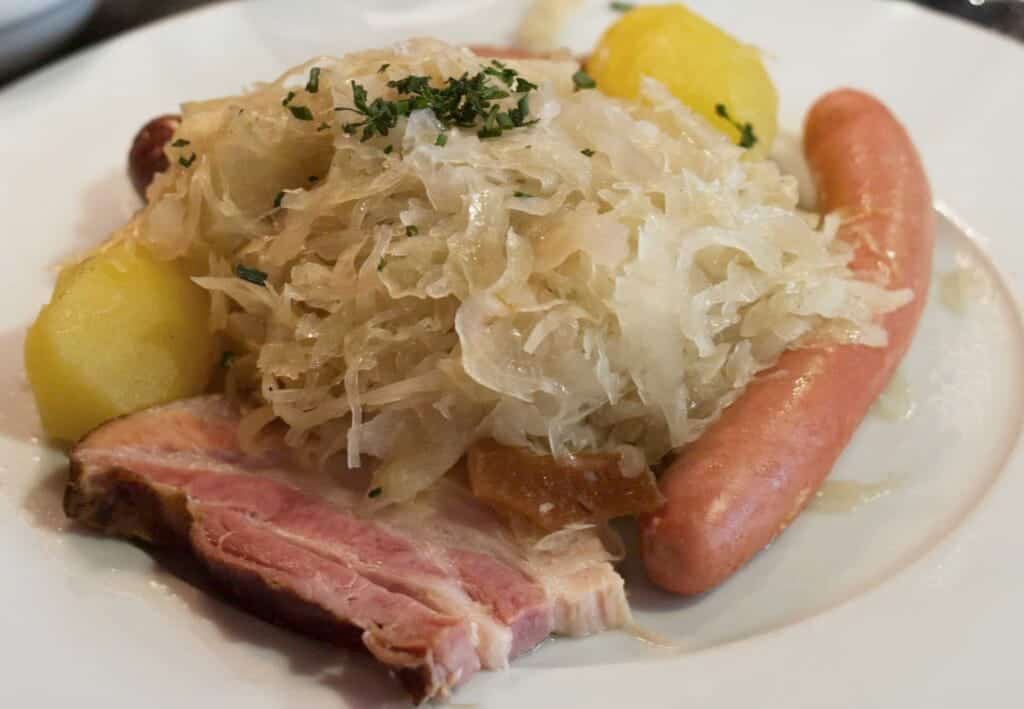
How to make sauerkraut
Rinse the sauerkraut in cold water and drain well.
Sauté onion and garlic in a large pot or Dutch oven until soft.
Add the sauerkraut, bay leaf, juniper berries, peppercorns, white wine and chicken stock to the pot. Bring to a boil, then reduce the heat and simmer for 1 hour.
Add the smoked pork rind, smoked pork and ham to the pot. Simmer for another 1 hour.
Add smoked sausage to the pot and simmer for 30 minutes.
Serve choucroute garnie in large bowls with boiled potatoes, mustard and crusty bread.
Enjoy your delicious choucroute garnie or call it Sauercraut!
Beef Bordeaux
If you're neither particularly C02-phobic nor meat-phobic, then this is the bandit you and a few others in your family and/or friends could probably eat later.
Then it's time for a French steak. So we choose one of the best.
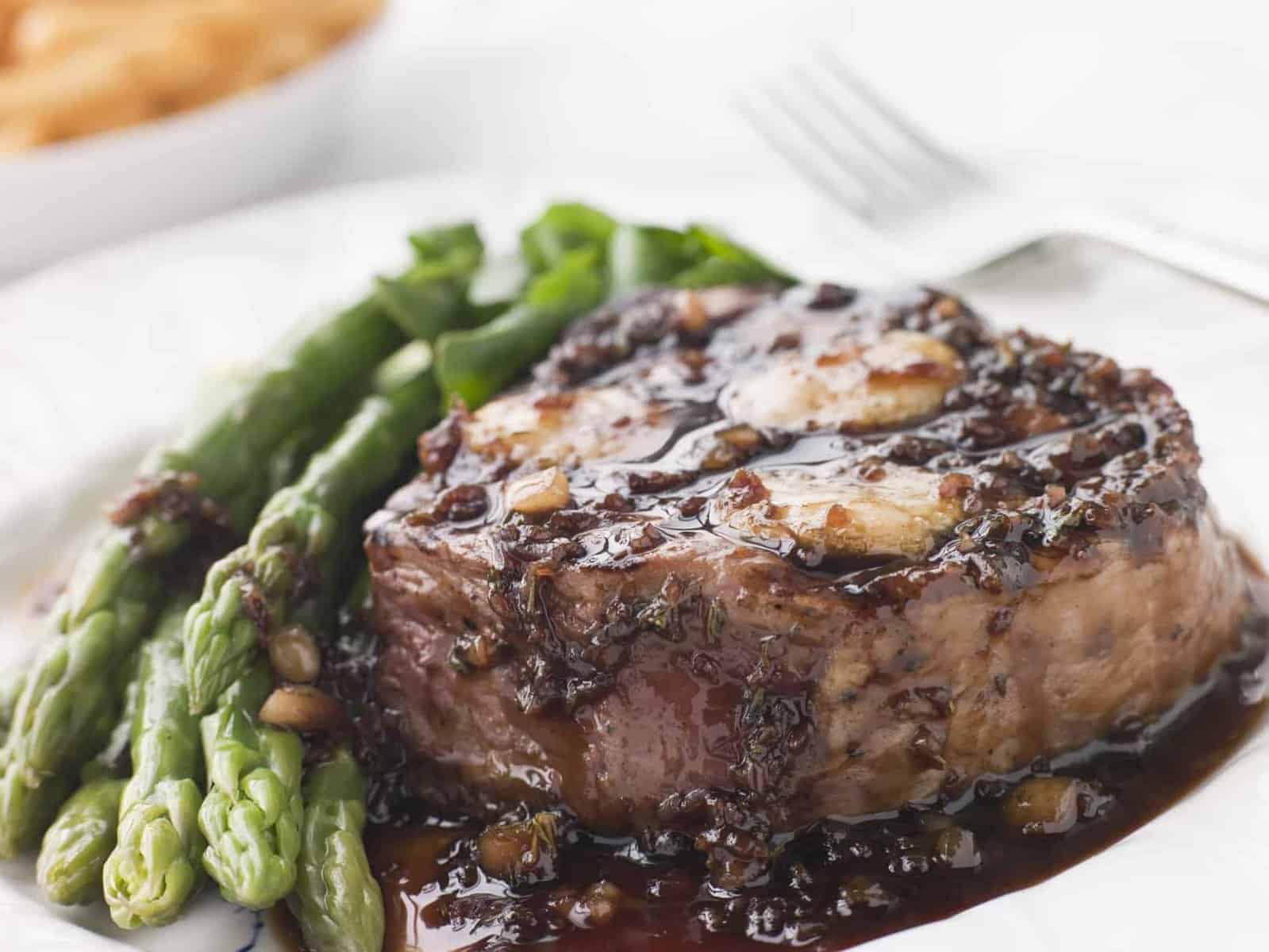
The trick is to make the sauce for this. There is no single right recipe and you could start a revolt if you claimed it in France. But you “just” have to sacrifice a Bordeaux red wine that you yourself would drink with pleasure. And just look at the recipe that comes here, when we have just finished eating.
More in 21 about this steak.
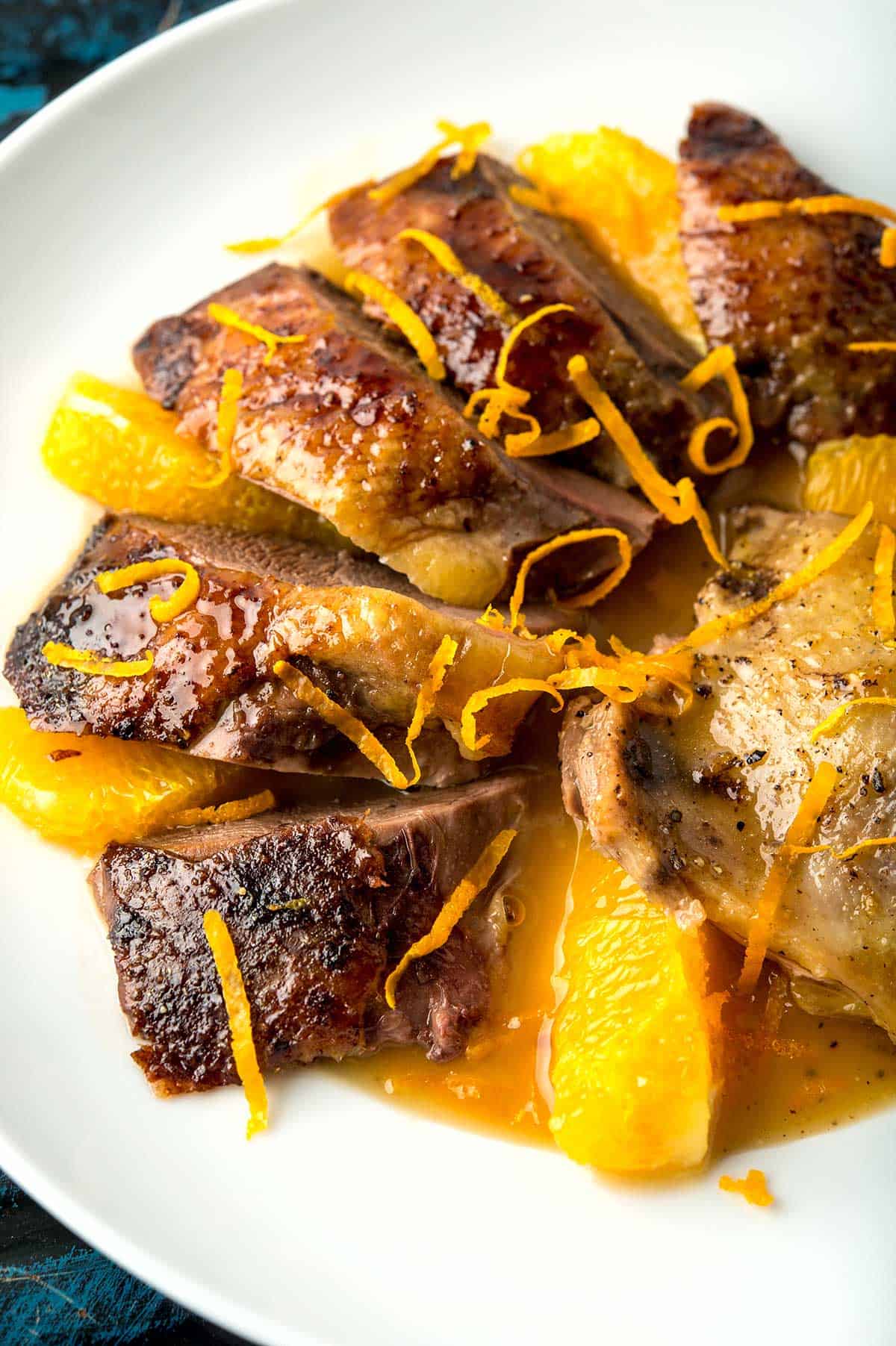
Canard with Orange
The fatty duck meets the fresh, slightly acidic orange and a small miracle occurs. A fresh dish with duck, whole or just duck breasts. And again a little red wine has not harmed a French main course with meat as the star of the stage.
Canard à l'orange is a traditional French dish where a duck is roasted in a deep pan or in the oven, then served with a rich sauce of red wine, that is flavored with sugar and orange juice. The dish was typically made with a duck breast known as Magret – which comes from a force-fed duck raised for the production of foie gras.
This type of duck breast is slightly larger, about twice the size of a normal duck breast. The duck should be cooked so that it still remains pink on the inside, and the accompanying sauce consists of red wine vinegar, orange juice, sugar, chicken stock and sugar.
But fortunately, it can easily be made with a quality duck that has had a good life.
Canard à l'orange is usually garnished with aubergine slices on the side. Hence the name. It is believed that canard à l'orange was exported to France by Catherine de Medici, who lived in Florence in the 1600th century. However, some believe that the dish can be traced back to the ancient Middle East, as typical meals from this region often pair meat with fruit.
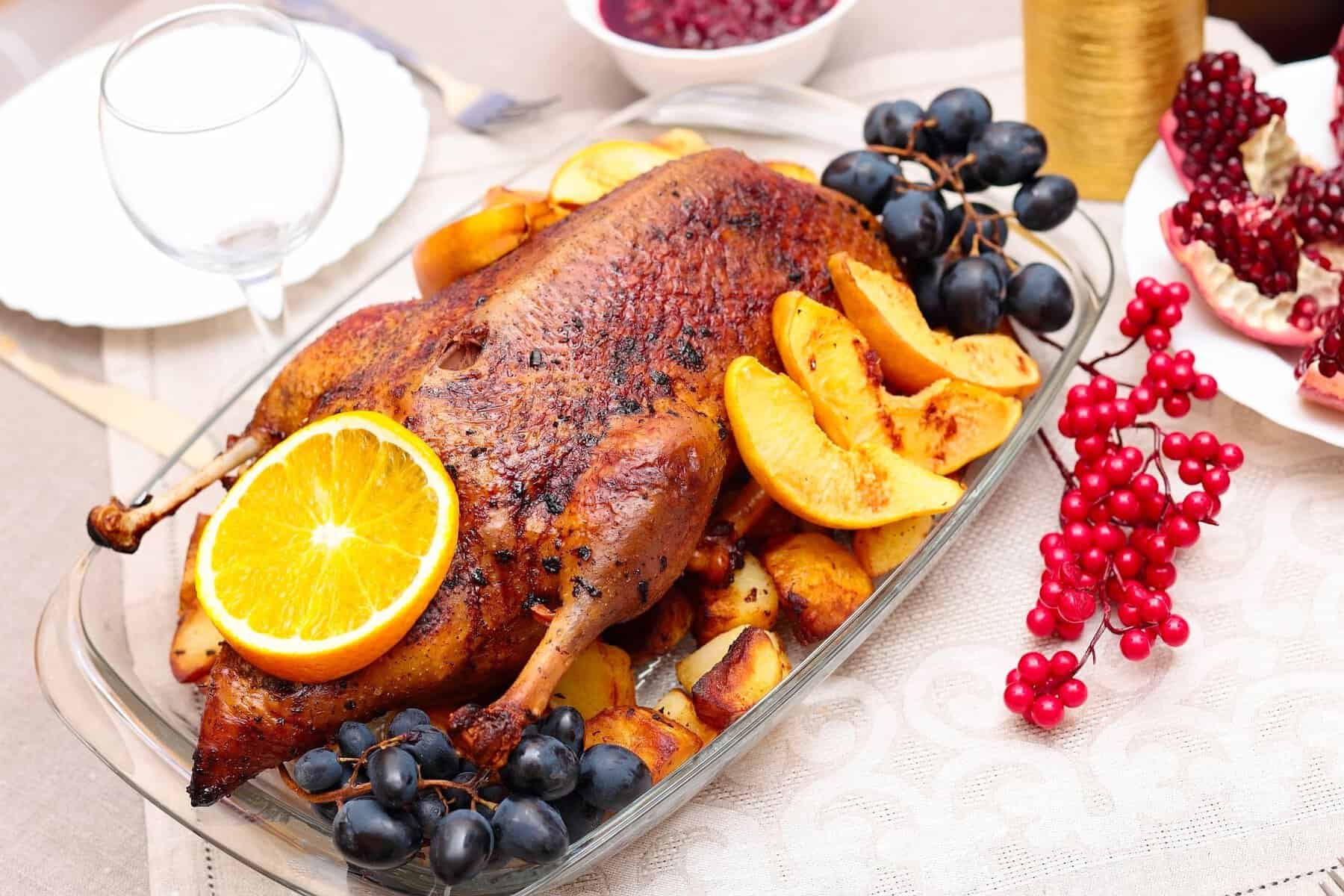
The very short version for 4 people.
- 2 fat ducks
- Salt
- Sugar
- Oranges
- 1/4 cup red wine vinegar
- 2 cups beef broth
- and a glass of red wine

Casserole Ratatouille, voila
It started out as a poor man's dish, but Ratatouille has found its way into French restaurants of all calibers. It's basically an eggplant-based stew, also loved by the Greeks, that simmers on the stove until tender. It's incredibly easy and cheap to make, so if you're on a budget, or just a vegetarian, or want to impress guests, Ratatouille is for you.

Piperade, a somewhat unknown border dish, but also clear French food
Invented in the Basque Country on the border with Spain, piperade falls under the same vegetarian approach as ratatouille: it's a vegetable dish prepared by cooking vegetables in olive oil or duck fat and then simmering them in their own juices until they melt into a delicious and tender dish. But while ratatouille counts eggplant as its main ingredient, piperade relies on peppers.
Red pepper is the traditional base for piperade, but you can add chilies if you want to increase the spice level. Piperade also contains smoked Spanish paprika to intensify the spicy flavor of the dish, but if you can't find this spice, cayenne pepper will add the desired extra heat.
Enough about vegetarian dishes. Now for something with sea and garden animals:
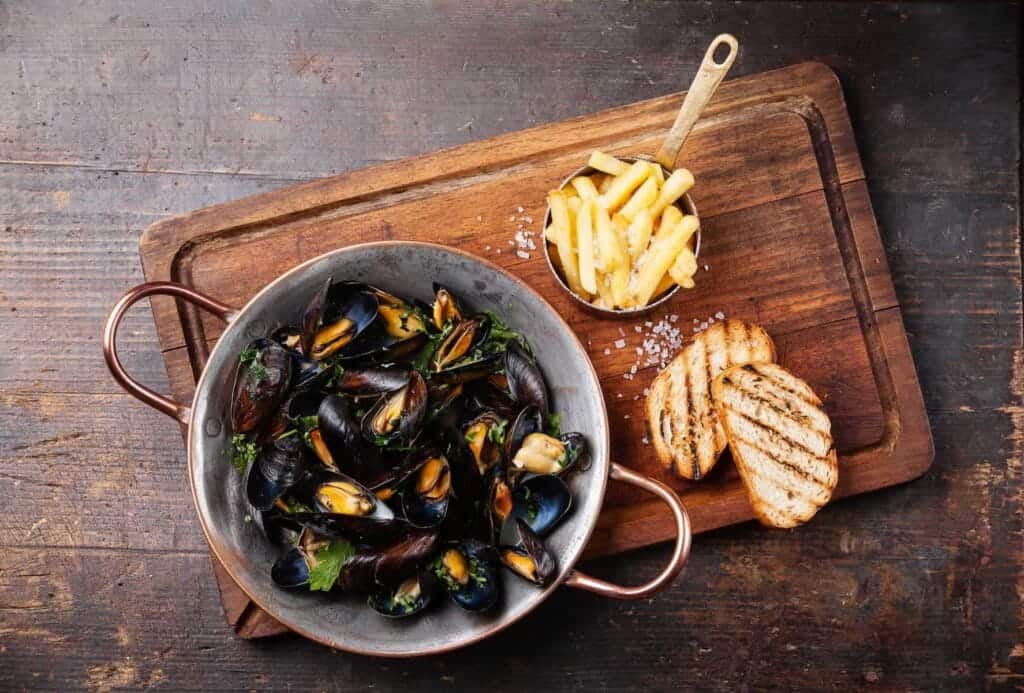
Steamed mussels with french fries, sinfully delicious, pure French food, bistro style
If you are in the south of France, it is inevitable that you will come across mussels and fries. This dish is popular in its simplicity and suggests 'mussels with fries'. It can be both a starter or a main course, as is the case with many dishes. You can choose between white or red meat sauce, but whichever you choose, the salty scent of the sea pairs well with the unsalted fries for the best 'fast food' the French have created.
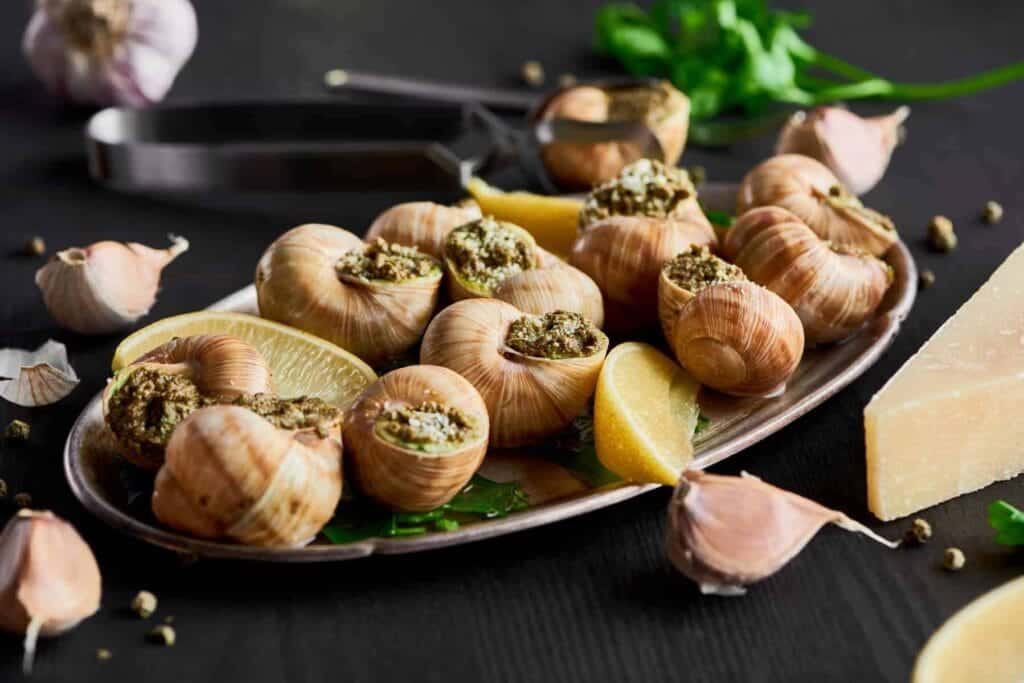
As one of the most classic French dishes, snails are right up there with frog legs, a delicacy that many tourists to France find it necessary to try. For many it is a bit of a self-defeating experience, but for others it becomes a passion. Burgundy is home to the best snails in the world, and the preparation before you buy them is actually much more complicated than you would expect. They need to be washed for a long time. Alternatively, they are fed with cleansing herbs and washed thoroughly before being cooked with lots of butter, garlic and parsley, then put in the oven. All in all, the process takes up to three days, which is why it is a relatively expensive process. But then bon appetit!
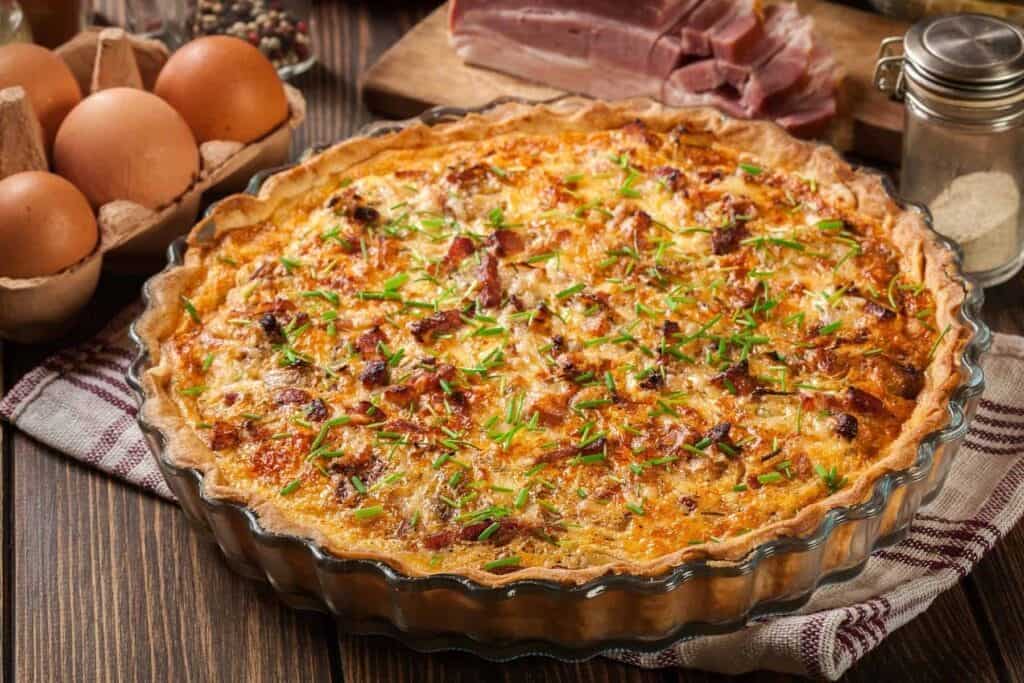
Quiche Lorraine, find the right one, not the small, dry one from the freezer!
Quiche is a French pie consisting of a crispy pastry filled with pieces of cheese, meat, seafood or vegetables. It is a main ingredient in French cuisine. The most famous variation is Quiche Lorraine, which includes bacon. Quiche can be served hot or cold. This French dish is popular all over the world. Quiche means cake and has its roots in the German word Kuchen/ to cook/kitchen. The most popular variation of quiche is Quiche Lorraine made with smoked bacon.
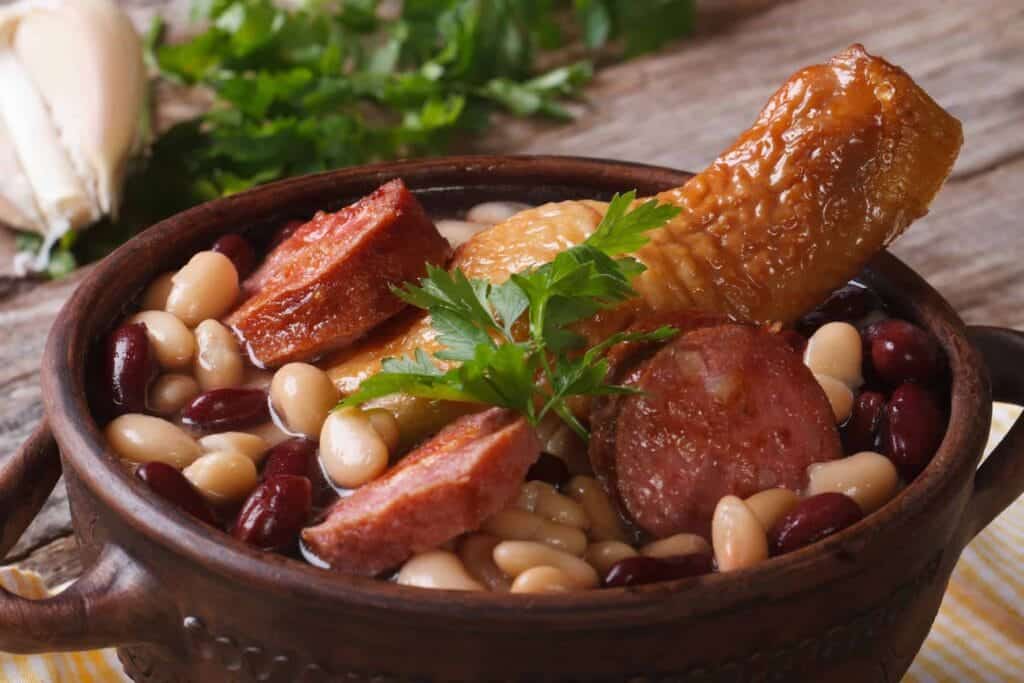
Cassoulet, a nutritious stew, perhaps especially on a cool day?
Cassoulet is another great dish in the French cookbook. Okay, maybe it’s not originally French; historians have found traces of a cookbook with a form of Arabic cassoulet that is believed to have been imported to France in the seventh century. Regardless, the dish, which features sausages and delicious cuts of other meats, as well as a bean stew with several types of beans, has now achieved iconic status. However, there is still no consensus on the recipe. The “classic” Cassoulet contains everything from duck to short ribs to sausage. This uncertainty about its origins is actually a really positive thing, because it gives you the freedom to play around with the recipe until you find the one that suits you exactly.

Baguette, bread is not just bread, then life was simpler, but poorer
Around 350 baguettes are eaten every second in France, making it a food that is extremely central to the French. It is mandatory to pick up a fresh baguette every day. Some pick up several times a day. And baguettes go with almost every French meal. From coffee in the morning to multi-course dinners. There are also several types of baguette to choose from, of course.

While fresh French baguettes are tasty enough to eat on their own, they're even better when made into a sandwich. Try a ham sandwich to experience a baguette in a whole new light.
Grey fois gras goose on a goose farm in Dordogne. French cuisine when it's a bit maligned.
Foie gras, a maligned French food, yet irresistible and so good with Sauterne, you are forgiven
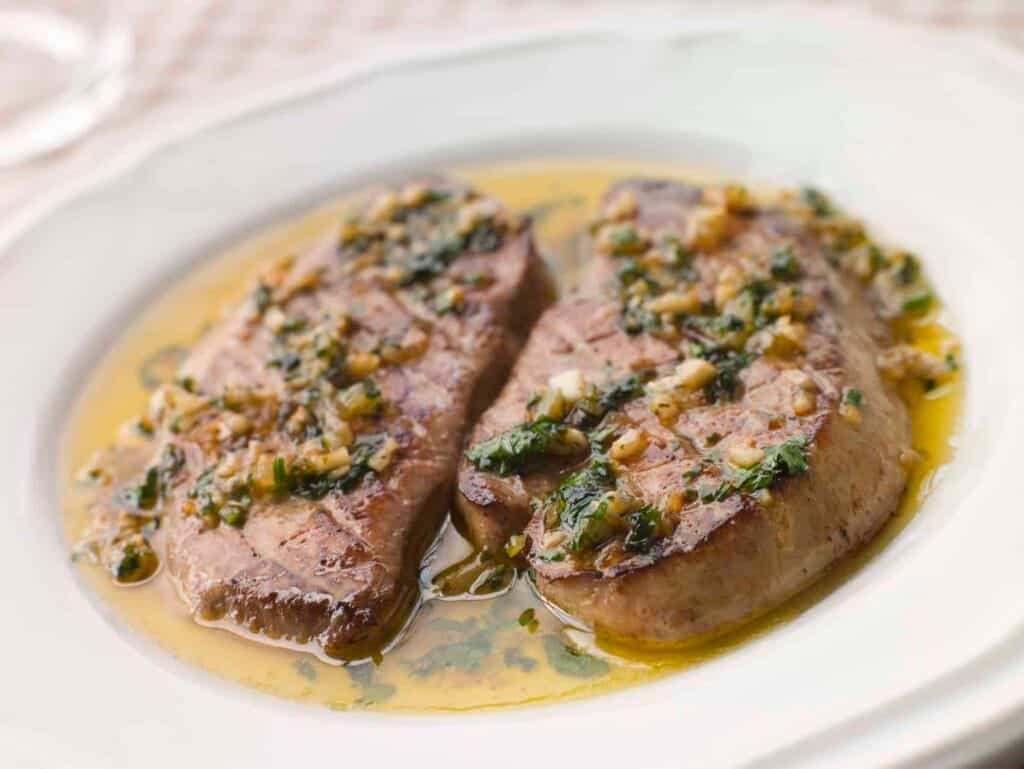
It's the French delicacy that everyone loves to hate. Foie gras is made by feeding ducks and geese large amounts of grain in the weeks before they are slaughtered, a process known as force-feeding, to cause their livers to swell to 10 times their normal size. Producers say it's a continuation of a natural survival technique in which the geese can overeat for periods of time to have enough food for later, while activists see it as a shameful abuse of animal rights. Without giving up this extremely delicate ingredient, the French continue to appreciate foie gras on toast, roasted as shown, and in other recipes and variations. The taste is impeccable.
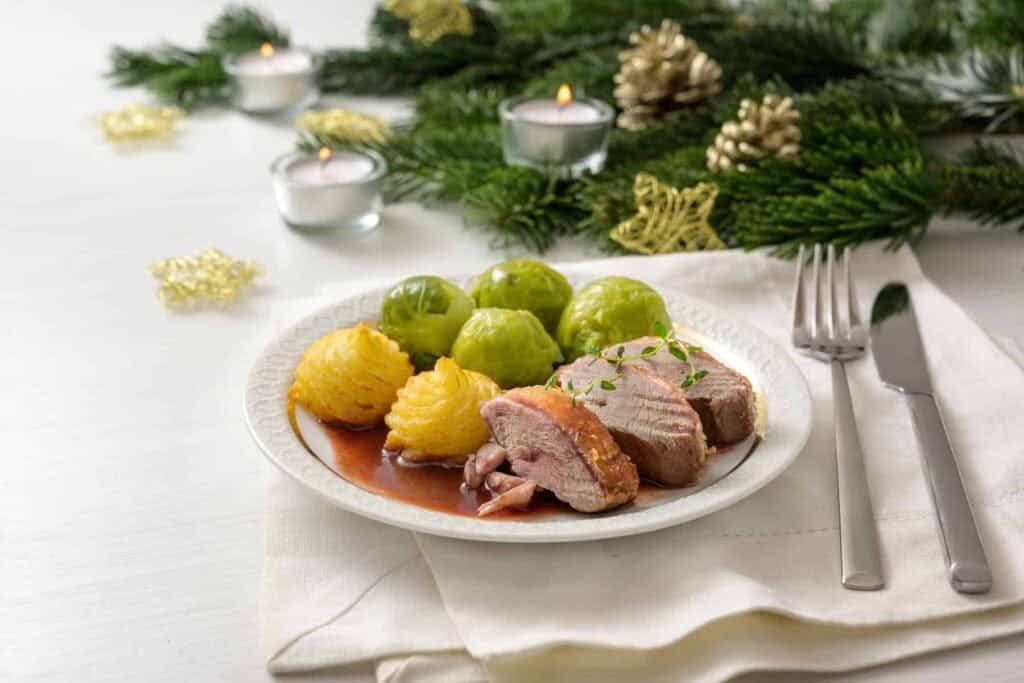
Pommes Duchesse or Duchess Potatoes, this root vegetable has gained royal status!
Known as “duchess potatoes” in French, they are one of the classic side dishes of French cuisine. They are basically mashed potatoes that are well seasoned with salt and pepper and have a shape that resembles a meringue because they are poured into small molds or on baking paper, ready for a trip to the oven. The mashed potatoes are first stirred together with egg yolks and butter, and given a pat of bread and a trip to the oven until golden brown. These spoonfuls of large potatoes come in different sizes and can be served with many types of meat. A little recipe:
How to make au gratin mashed potatoes, Pommes Duchesse
You will need good medium-sized potatoes. Cream. a few eggs, salt and pepper. Remember to use ovenproof baking tins.
- Peel the potatoes, cut them into pieces and boil them in unsalted water until tender, about 25 minutes.
- Boil them in salted water until the mash is soft.
- Pour the water off the potatoes, put them back on the heat for a short moment without a lid so they can steam dry.
- Mash or puree the potatoes.
- Heat milk or cream and whisk it into the mash.
- Stir in the egg yolk, stir in the butter and season with salt and pepper.
- Now the mash can be distributed into small ovenproof portion dishes/moulds, sprayed in small potato-sized portions and gratinated for 6-8 minutes in a well-preheated oven, 225 °C, or it can be sprayed along the edge of a dish on a plate or dish that can withstand oven heat and gratinated here.
Brioche, no it's not a broche, but still delicious
Brioche is a type of bread made with eggs and butter. The bread is light and fluffy due to the large amount of eggs and butter used. Sometimes brandy and sugar are also added in the process (to taste). It is usually eaten for breakfast or as a dessert and can also be served with tenderloin.
Black pudding, is it also French food? Yes, a delicious French curiosity
Black pudding, a style of charcuterie, is exactly what it sounds like: ground pork mixed with pork blood. It appears in the cuisines of many cultures, and the French call their interpretation black pudding.
This dish dates back centuries, and historians believe it is the oldest cold cuts product still consumed today. To make it, meat and blood are traditionally mixed with cream, onions, apples, and herbs before being slipped into sausage casings. The blood provides a metallic flavor that acts as a pleasant counterpoint to the richness of the cream and pork, and many French brasseries serve black pudding with baked apples to highlight these flavor notes.
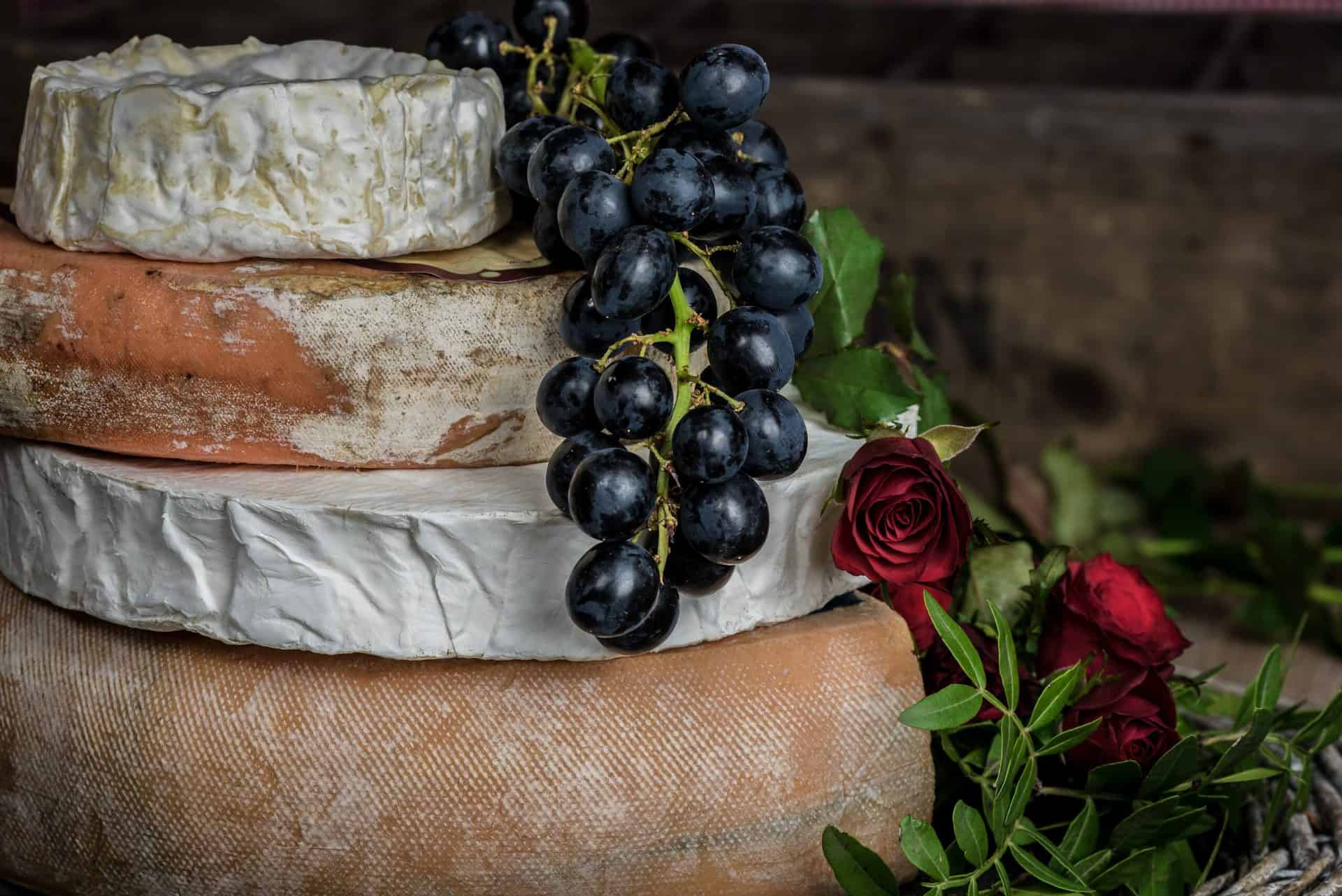

French food 3. We are almost full and yet. We have reached the delicious cheeses
The excellent French cheeses can be divided into six categories: white cheese, red cheese, blue cheese, sheep's cheese, goat's cheese and hard cheese. We'll take a look at some of the best.
When in a French meal is cheese served?
In France, it is traditional to eat cheese during a meal after the main course and before dessert. Yes, there are exceptions, as you can also eat cheese instead of dessert if you wish. The French do not eat cheese with every meal – it is more common during dinner and lunch on the weekends.

Roquefort defines an essential quality for “French cheese”
Many of the dishes we eat today have been reserved for the nobility and the upper middle class, and others have been promoted from peasant food to fashion food. French food has also been on a social journey up and down through the ages. Rocquefort is made from unpasteurized whole sheep's milk. Roquefort is one of the best cheeses in France, most people with knowledge of the matter think. Before the cheese is pressed, the blue “veins” have spread on the surface. They are formed by Penicillium roqueforti spores and are completely harmless.
Penicillium Roqueforti is a common saprotrophic fungus in the genus Penicillium. Widespread in nature, it can be isolated from soil, decaying organic matter, and plants and is used for several purposes, including a royal cheese.
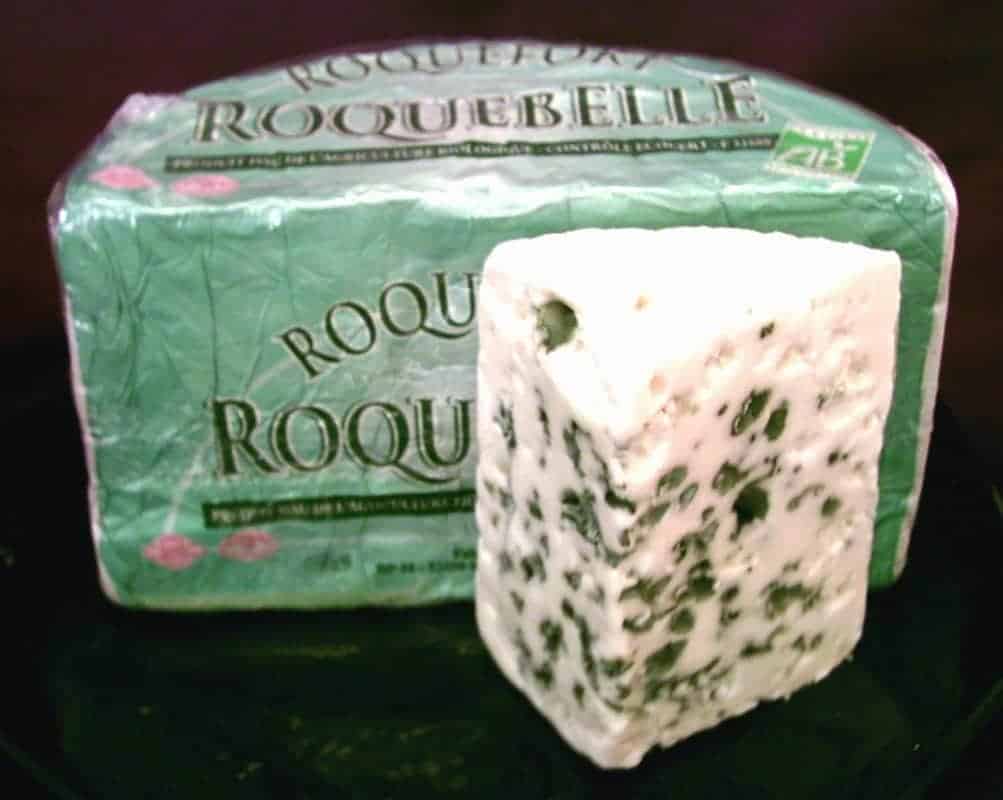
It is so tasty and prized that it was Emperor Charlemagne's preferred cheese of choice. Here is a cheese that has moved from the court into society to the delight of many of us.
Rocquefort was the 'cheese of kings and popes' locally. It doesn't get any more prestigious.
On the outside, Roquefort has a moist crust, while its texture is crumbly and creamy on the inside, tangy as they say overseas, complex, intense, sharp and salty in terms of flavor with a blue mold-marbled white paste.
It matures inside mountain caves, as we know it from Danish cheeses in West Jutland, but here in southern France for at least 5 months. The climate in the caves is quite special due to their high and stable humidity and the cool air that seeps in through 100 meter high, narrow cracks, called “fleurines”. The air that seeps into the cave is between 8-9 degrees, and the caves maintain a humidity of 95%.
It's also good for your well-being, as Rocquefort is known to have unique anti-inflammatory properties. With figs, nuts, sweet white wines like Sauterne (now the cork is off) and good red wines with power like Pomerol, Roquefort goes more than well with quality wine. A match in heaven.

Camembert from Normandy
Made from raw cow's milk, Camembert de Normandie, Normandy's most popular and classic cheese, weighs an average of 250 grams. The taste is strong, sharp, mushroom-like, grassy and buttery, while the smell is musty and cabbage-like. So it's a no-brainer: Everything is perfect, you just have to try it!
A farmer named Marie Harel, as legend has it, sheltered a fleeing priest and in return gave him the Camembert recipe we know today. The cheese is hand-rolled into molds, dried and salted, and then aged for 30-35 days.
Its body is smooth and creamy, while a white, molded layer covers its exterior. Camembert cheese is usually packaged in a small wooden box to prevent the gooey interior from leaking and spilling out. Sliced apples, crispy baguettes, cider, or even candy are suggestions for trying Camembert from Normandy. And remember, France is a big country with a lot of Camembert and many answers to what the absolute truth about cheese is.

French desserts from Ganache to Crepe Sûzette
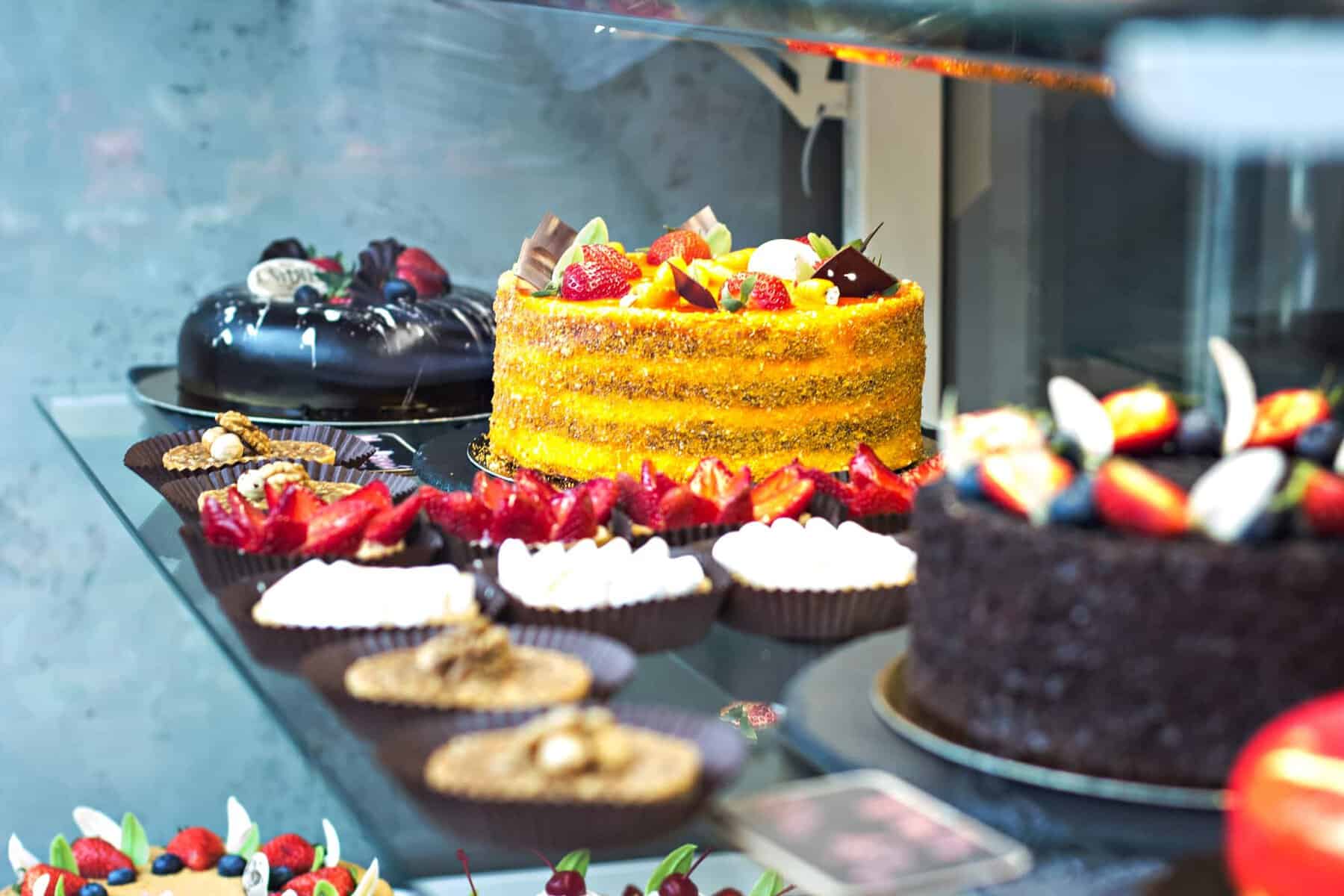
We are nearing the end of the meal. Here, both the eminent French cheeses and the sweets are in high demand. Preferably both. France loves desserts and cheeses. They have the most refined desserts and an exceptionally large selection of cheeses. Visit a French supermarket, and they will typically have 1 times more cheeses than in a Danish supermarket. Goat cheeses alone as a category can fill several meters of shelf.
The sweet tooth is not neglected in any way. A meal is not complete without desserts. There is a framework of tradition about a good meal that is not broken.
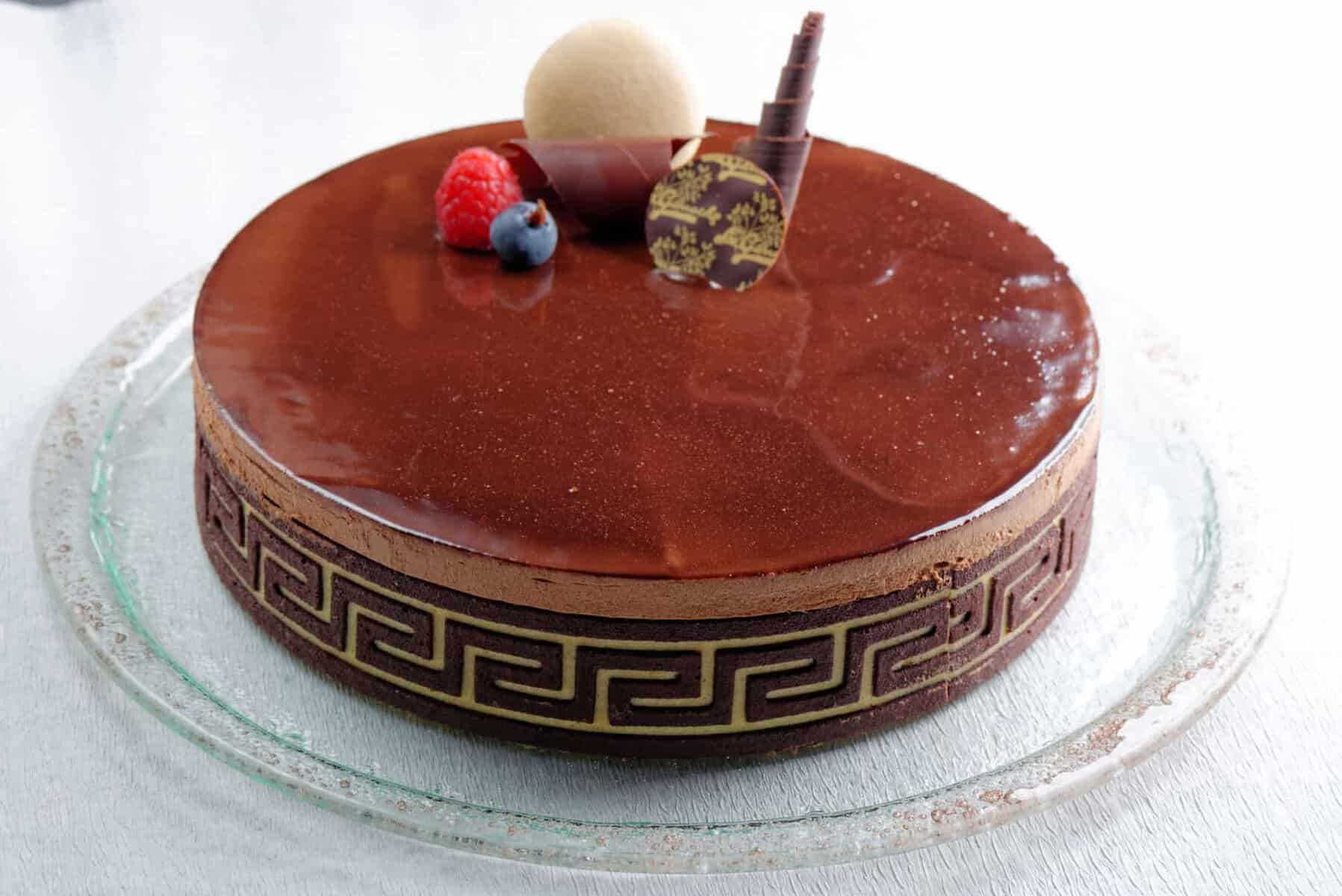
Ganache
To create the simplest type of the world-famous sweet creation called ganache, finely chopped chocolate and hot cream are carefully mixed. Optionally, this smooth and velvety chocolate mix can be blended for a smoother texture with melted butter and enhanced by the addition of a wide variety of extracts, oils, liqueurs, herbs, spices or even salt.
High-quality semi-sweet or sweet and sour chocolate and heavy cream are required for traditional ganache, but milk chocolate and white chocolate can also be used, while whipped cream or double cream are equally suitable. The quality of ganache can also vary in addition to the ingredients used in its preparation, and depends mainly on the chocolate and cream ratio used.
Ganache is often used, whether as a filling or coating, in the preparation of cakes, pastries, and various confections and is also an essential element in chocolate truffles.

Crêpe Suzette – pancakes, the French dessert nation wouldn't do without
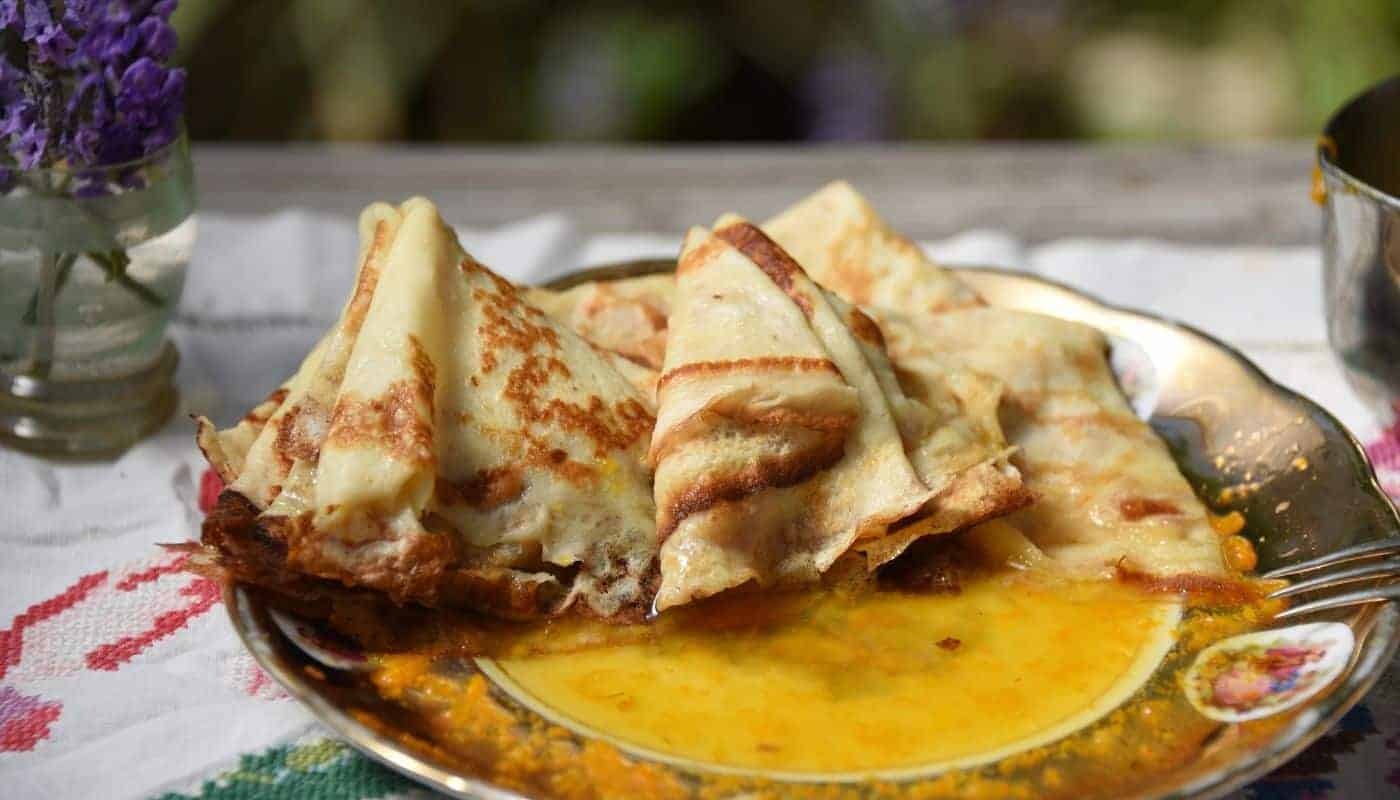
What would French food be without their famous Crêpe Suzette dessert pancakes? Essentially, a French pancake is generally a thin pancake that can be filled with anything you want. Yes, anything from ham to ice cream makes sense. Here we look at dessert pancakes. Crêpes are found all over France and can be sweet or savory and are served as main courses, side dishes, or desserts.
Crêpes Suzette is, in short, the pancake variant that appeals to your sweet tooth. A French dessert consisting of crêpes with beurre Suzette, a sauce of caramelized sugar and butter, mandarin or orange juice, zest and Grand Marnier, triple sec or orange Curaçao liqueur on top, prepared in a tableside show, flambé
Your private French cooking class won’t be complete until you learn the joys of crepe making. Mastering the technique of tilting the pan to distribute the batter evenly can be a little tricky, but it just takes practice. So all you have to do is learn how to light the pan with a little cognac and all the guests will applaud. The evening is saved. Cognac anyone?
PS: Dessert pancakes and orange peels go together miraculously well.
Wait, is that French food too?
This very popular French dessert is loved the world over – known by foodies for its soft, airy texture and infamous among chefs for its ruthless nature, which leaves little to no room for error during the cooking process. This delicate cake consists of two elements: a base of pudding or cream and a meringue made from egg whites.
Hot chocolate
A bag of hot cocoa mix flecked with marshmallow bits can certainly warm you up on a cold winter day, but if you really want to enhance your chocolate drinking experience, the French version is worth a try.
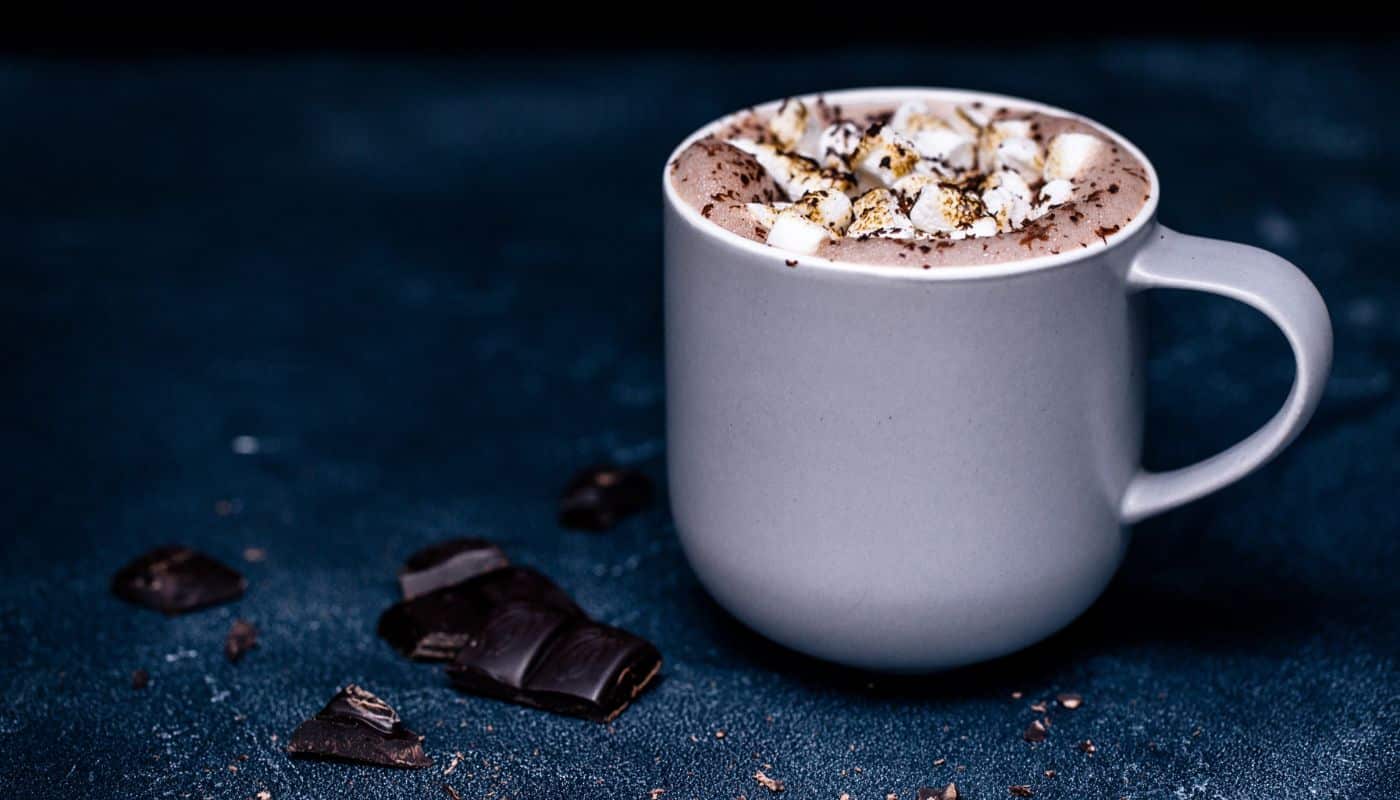
Hot chocolate requires melting semi-sweet chocolate in hot milk on the stove, resulting in a thicker, richer, and more luxurious drink than you typically get with powder.
Homemade chocolate mousse, rounds off French food
It's so simple with only five ingredients, but it's still a mystery to many home cooks. Basically, a vanilla custard with whipped cream incorporated into the chocolate.

Chartreuse, one of the most famous little decadent liqueurs
One of the oldest and most famous French liqueurs is Chartreuse. The drink is believed to have originated from a medieval manuscript sent in the early 18th century to the Grande Chartreuse monastery. In 1764, the paper was deciphered by the Carthusian monks, and the first version of a health elixir, used mainly as medicine, was created.
In 1840, the monks then modified the recipe to produce the original Green Chartreuse – the first version of Chartreuse liqueur, which is still made to a secret formula containing around 130 herbs, spices and other plants. The extracted macerate is then aged in oak barrels.
A variety of Chartreuse flavors are available, including the original Green Chartreuse (55 percent ABV), which is characterized by its complex aromas of herbs and flowers. Yellow Chartreuse (43 percent ABV) is made in the same way, but due to the use of different herbs, the result is a slightly milder and sweeter drink.
Chartreuse is best enjoyed as a digestif, served neat or on the rocks. It works well as a cocktail ingredient. Numerous flavors such as orange, anise, or myrtle were included in the drink's limited editions.
French wines
French wines, strangely enough, go perfectly with French food. It is also the most classic wine of all in modern wine history, while wine production in Europe historically belongs to Italy.
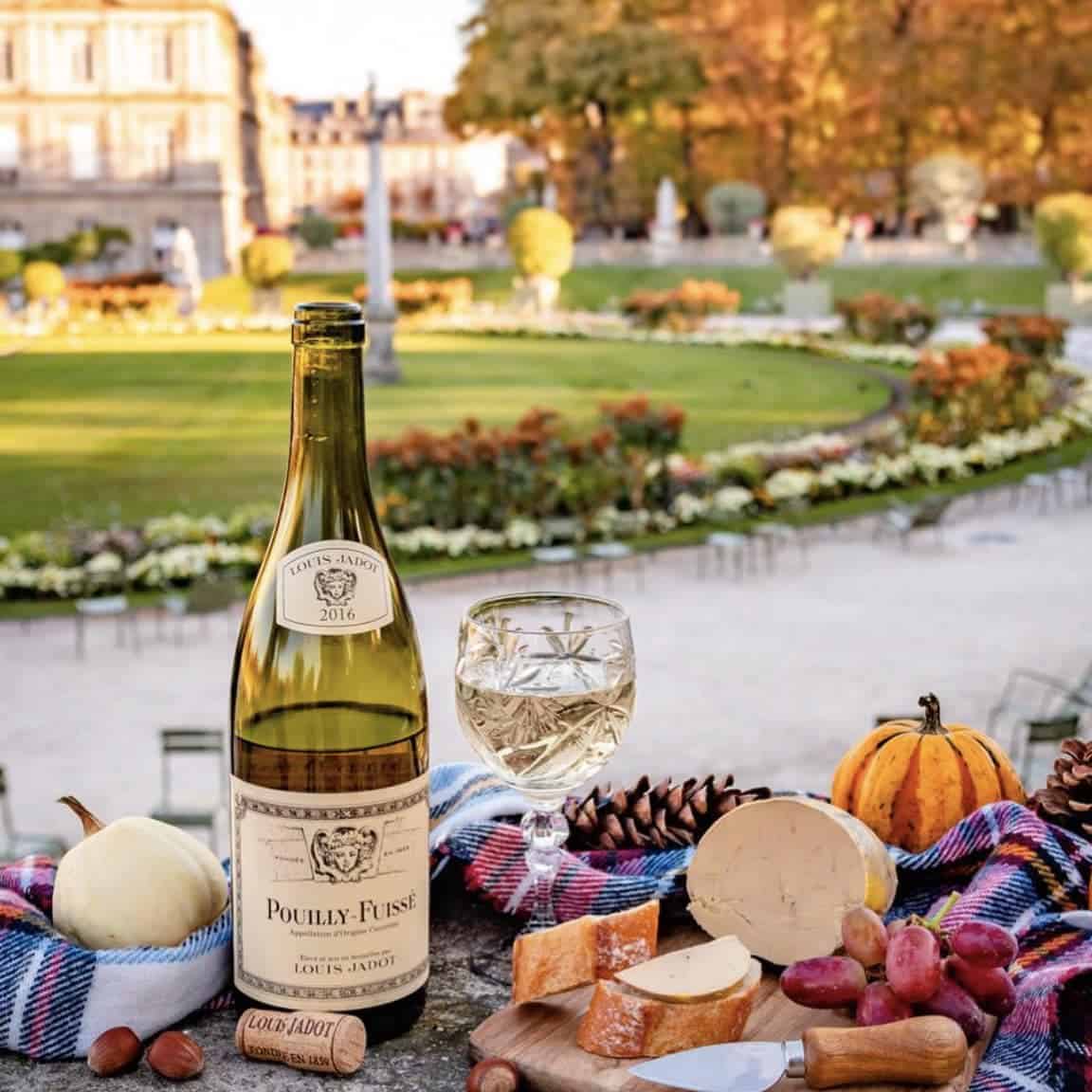
But French better wine has superb quality, among other things, having the world's most expensive wines along with regulated and cheap wines from smaller districts shows France as a vibrant wine country that can still compete at the top level.
In fact, it can be… correction … it is .. a great wine experience to return to France and drink a decadent and decanted pitch-black Pomerol or a sparkling Champagne, (possibly the last one before the second), a Rosé from Provence with your feet in the water's edge, which almost defines the color "rosé", and explore all the new wine initiatives in France, also new almost crazy organic wines. And believe me, it's all extremely well regulated. French bureaucracy at its best and usable even for Danes. Not a cold grape gets through the filter when all wine districts are evaluated, re-evaluated and strictly judged. They should all have a quality seal.
See also all French wine regions on our site winetalk.dk
French wine regions and wines that match French food perfectly
Traveltalk has several great articles about French wines sorted by region, so you can find many ideas for your next wine trip through France, the great wine country. But we also have an exquisite “small” wine shop online:
French wines, the 4 largest wine regions
Several excellent wine regions in France
Sustainability trends for French food
Sustainable systems that integrate waste reduction into their daily routines top the list of expected European food trends in 2023. This includes both food and drink, and even cheese production is being considered, where vegan cheeses that move beyond heavy reliance on cornstarch and coconut fat are on the rise.
While there will always be a place for butter, eggs, and cream in Parisian dining, a growing number of chefs and bakers are also focusing on vegan, plant-based approaches that refuse to sacrifice substance or style to achieve their goals. The plant-based movement is expanding to the inescapable French croissant and other classic pâtisserie favorites, with an increased dedication to artistry and creativity to achieve equally popular results and satisfy all customers, not just those who eat plant-based.
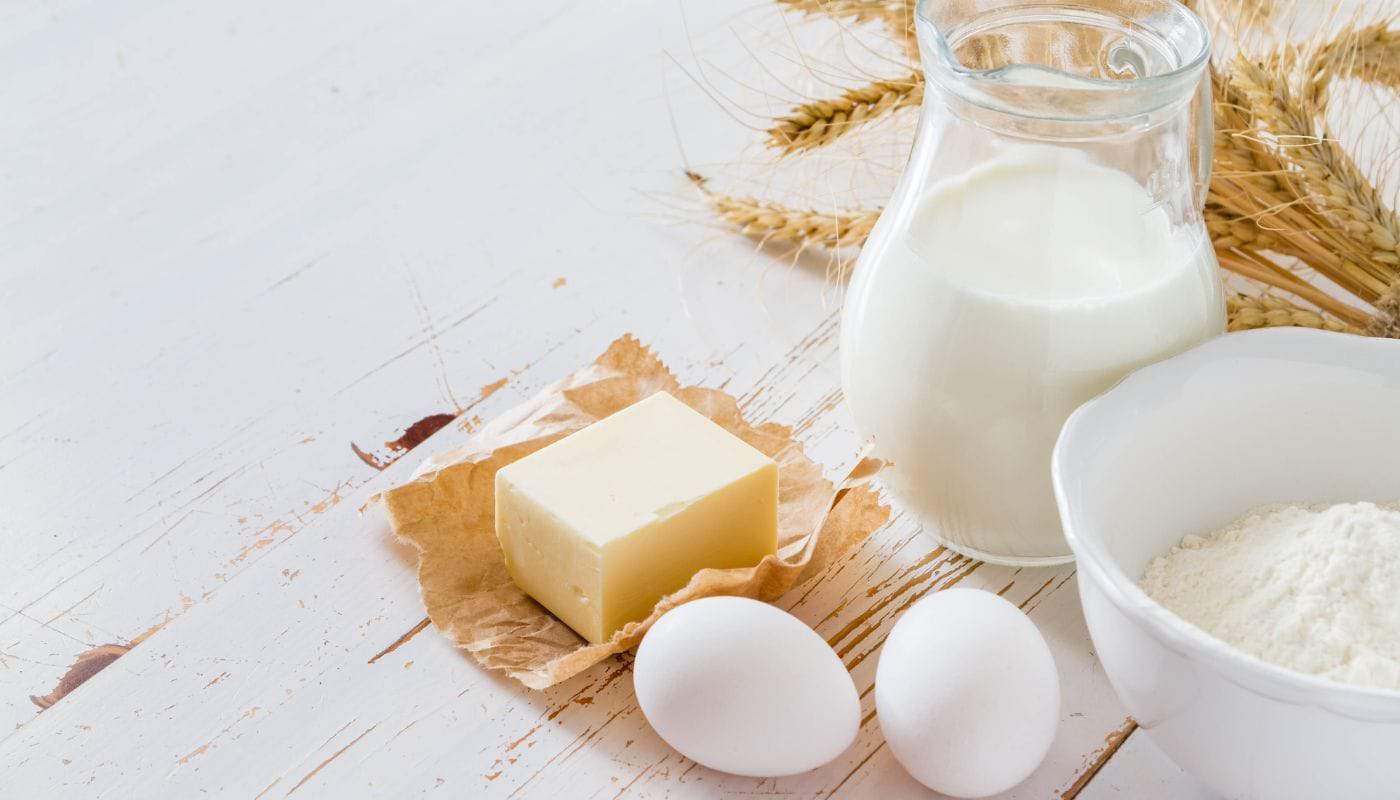
Additionally, modern French cuisine focuses on using fresh ingredients along with lighter sauces that enhance the natural flavors of the food. By focusing on the flavors of the ingredients and letting them shine through, French cooking is a natural ally in the trendy farm-to-fork cuisine.
French wine and the great French wine districts call for a wine journey
Excellent food from other countries in your travel life
Start here with an overview of what traveltalk covers in terms of food adventures around the world: In addition to France, read about Italian food and wine, Spanish food and wine, Mexican food with a little history, Thai food, Vietnamese food and much more!
Food and wine from all over the world. Intro to the great “food on the road”.
The Italian, rigorous cuisine , simplicity is not simple food.
Italian food on the road
Filipino food is a delicious and historic fusion cuisine
English food from Fish & Chips to Michelin stars
Over 20 dishes of Thai food that are delicious and healthy
Thai food, it's just beautiful and delicious. On a food trip in Thailand
Mexico's cuisine is a legacy of the Aztecs , which still lives on as an incredibly popular food.
Spanish-inspired food from Costa Rica
🎬 Watch the journey on film — 365 ways to travel the world Watch our film →