
European architecture, Argentine temperament — and a nightlife that only begins when we go to bed
Buenos Aires ranges from bustling metropolitan life to quieter neighborhoods with a European atmosphere – a city that must be experienced to be understood. From the diverse cuisine to the vibrant nightlife, it’s no wonder visitors flock to the Argentine capital year-round.
See trips, prices and departures to Argentina
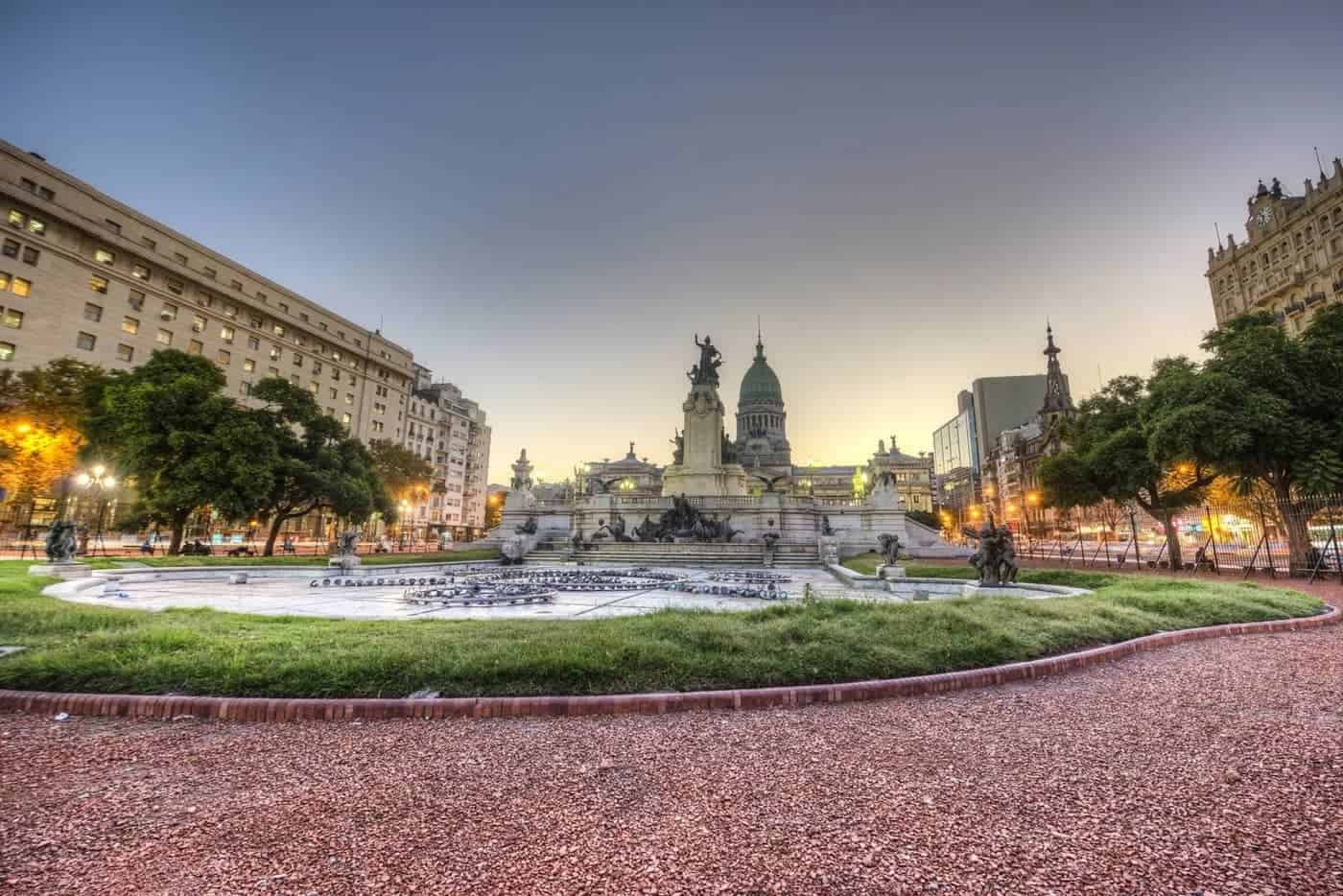
The history of Buenos Aires
Buenos Aires is the capital of Argentina and its largest city. The city was founded in 1536 by the Spanish explorer Pedro de Mendoza. It was originally called Ciudad de Nuestra Señora Santa María del Buen Ayre, but it was later shortened to Buenos Aires.
The city grew rapidly during the 18th century and by the early 19th century it had become a major port and trading centre. However, Buenos Aires fell into decline after the Argentine War of Independence (1810-1818). It regained its prosperity in the late 19th century when it became an important stop on the newly built railroads connecting Argentina with other parts of South America.
In the early 20th century, Buenos Aires experienced another period of decline due to economic problems and political unrest. However, the city began to rise in the mid-20th century, and today it is a thriving metropolis with a rich cultural life.

Population and culture
Buenos Aires is the capital and largest city of Argentina. The city is located on the eastern shore of the South American continent, at the southern tip of the country. Buenos Aires is a cosmopolitan metropolis with a rich cultural life. It is home to a large number of museums, theaters and other cultural institutions. The city also has a vibrant nightlife with many bars and nightclubs. Buenos Aires is an important financial center for Argentina and for Latin America as a whole. The population of Buenos Aires is about 3 million people.
The culture of Buenos Aires is a mix of European and Argentinian influences. The city was founded by Spanish colonists in the 16th century and later became part of the Viceroyalty of Peru. In the 19th century, Buenos Aires became a major port city and began to experience rapid economic growth. Many immigrants from Europe arrived in the city during this time, resulting in a cosmopolitan mix of cultures. Today, this mix can be seen in the city's architecture, cuisine and art scene.
Weather and climate
The weather in Buenos Aires is generally mild, with temperatures ranging from 18-25 degrees Celsius. The city experiences four distinct seasons – spring, summer, autumn and winter. Spring and summer are the warmest months, with temperatures often reaching the high 20s. Autumn and winter are cooler, with temperatures typically hovering around the low 20s. Precipitation is relatively evenly distributed throughout the year, although the city does see a fair amount of humidity. December to February are the rainiest months.
Buenos Aires is located in the Southern Hemisphere, so its seasons are opposite to those in the Northern Hemisphere. This means that when it's winter in the North, it's summer in Buenos Aires - a great time to visit if you want to escape the cold.
Geography and landmarks
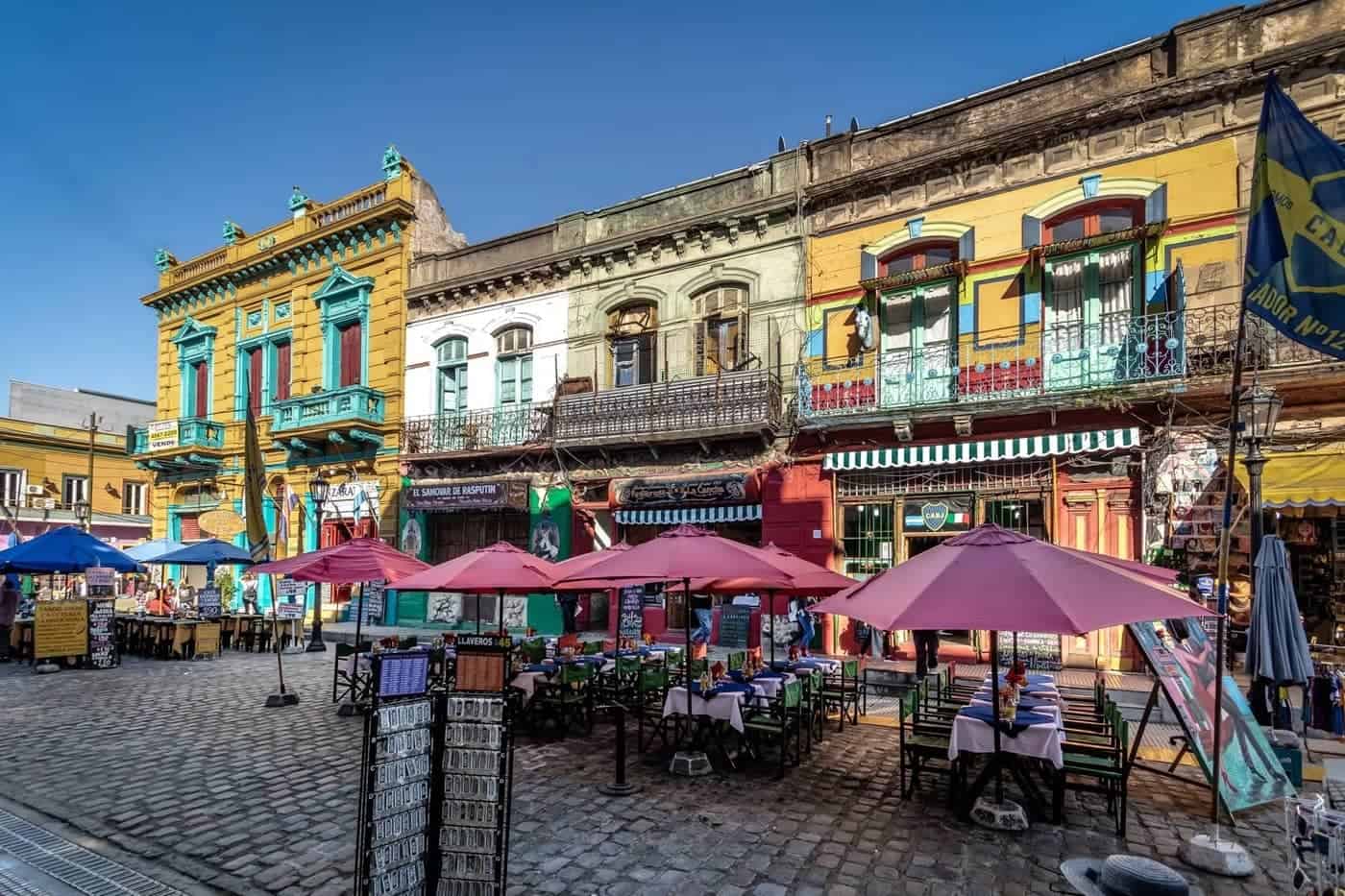
Buenos Aires is the capital of Argentina and one of the largest cities in South America. The city is located on the eastern bank of the Rio de la Plata, an estuary of the Atlantic Ocean. Buenos Aires is a cosmopolitan city with a rich history and culture. The city is home to many different landmarks and attractions, such as the Obelisk of Buenos Aires, the Buenos Aires Zoo and the La Boca district.
Transportation around Buenos Aires
In Buenos Aires, the most popular mode of transport is the metro. The metro system is very efficient and clean, and it's easy to get around the city. But if you're not used to big cities, it can be a bit confusing at first. If you are not comfortable with the metro, there are plenty of other options to get around.
You can also take buses or taxis in Buenos Aires. Buses are generally cheaper than taxis, but they can be a bit slower. Taxis are more expensive, but they are a good option if you are in a hurry. You can also rent cars in Buenos Aires, but unless you plan to drive a lot outside of the city, it's probably not necessary.
Accommodation and dining
There are many accommodation and dining options available in Buenos Aires. For accommodation, there are hotels ranging from luxury to budget-friendly. There are also several Airbnbs located throughout the city. For dining, there are a number of restaurants offering Argentinian cuisine as well as international cuisine. There are also many cafes and bakeries where you can grab a quick bite.
Shopping in this cosmopolitan city
If you love shopping, Buenos Aires could be the perfect destination for you. This cosmopolitan city has everything from exclusive designer boutiques to local markets selling traditional Argentinean handicrafts.
Some of the best places to shop in Buenos Aires are Avenida Florida, Galerias Pacifico, Abasto Shopping and Paseo Alcorta. Avenida Florida is a pedestrian street with shops, restaurants and street artists. Galerias Pacifico is an exclusive shopping center with over 200 stores. Abasto Shopping is a large indoor market with stalls selling everything from clothes to food. Paseo Alcorta is a beautiful outdoor mall with exclusive shops and restaurants.
Entertainment and nightlife including tango
From extravagant shows and performances to a raucous nightlife, Buenos Aires has no shortage of entertainment options. The city is known for its vibrant nightlife with plenty of bars, clubs and restaurants to keep you busy until the early hours of the morning.
One of the most popular tourist attractions in the city is the Teatro Colon, one of the most prestigious opera houses in the world. A visit to Buenos Aires is not complete without seeing a show at this iconic venue. For something a little more low-key, check out one of the many live music venues dotted around the city. Jazz lovers will find plenty to enjoy, or you can catch a tango show for a taste of the local culture.
When night falls, head to one of Buenos Aires' lively nightclubs – from underground electronic music venues to glamorous rooftop bars with cityscape views.
Sports and leisure
Buenos Aires is home to some of the best soccer teams in the world, including Boca Juniors and River Plate. If you’re looking for something a little more low-key, there are plenty of parks and green spaces to enjoy. Cycle or jog along the scenic Costanera Sur, go for a swim at one of the city’s many outdoor pools, or play a game of tennis on one of the many public courts. For something truly unique, head to La Bombonera stadium to watch a Boca Juniors game – an experience like no other.
Day trips from Buenos Aires
There are plenty of day trips that can be taken from Buenos Aires. Here are some of the most popular:
1. Tigre: This charming little town is located just north of Buenos Aires and is accessible by train. Once there, visitors can explore the delta, take a boat ride, visit the quaint shops and restaurants, or simply relax in one of the many parks.
2. San Antonio de Areco: This small town, located about two hours northwest of Buenos Aires, is known for its traditional gaucho culture. Visitors can join in a traditional asado (barbecue), shop for handmade crafts, or watch a polo match.
3. Colonia del Sacramento: Located across the Rio de la Plata from Buenos Aires, this picturesque town was once a Portuguese colony. Today it is a UNESCO World Heritage Site and worth a visit for its colonial architecture, museums and restaurants serving fresh seafood.
Iguazu Falls in Argentina and Brazil
Just an hour's flight from Buenos Aires lies one of South America's most stunning natural phenomena: 275 waterfalls spread over 3 km, with a drop height of up to 82 meters. Read more about Iguazu Falls and Garganta del Diablo.
🎬 Watch the journey on film — 365 ways to travel the world Watch our film →