
The short and effective travel guide to Italy: find your perfect trip to Italy. Start here.
Italy never ceases to amaze. Even if you’ve visited the country ten times, you’ve only scratched the surface. The secret to the perfect Italian trip is to understand that Italy isn’t just one country – it’s 20 different regions, each with their own soul, culinary traditions and landscapes.
Whether you dream of dramatic hikes in the Alps, undisturbed slow-living in the unknown villages of the south, or world-class classical culture, this guide will help you navigate the possibilities. Welcome to a travel guide that takes you behind the clichés and straight into the authentic experiences.
Why travel to Italy? (When you seek the extraordinary)
Italy is the world champion in travel, with discovery and adventure around almost every street corner and mountaintop. You don't just experience places - you feel them. The country perfectly balances historical depth with modern European comfort.
- A culinary journey through time: There is no such thing as Italian cuisine. There is Piedmontese, Sicilian and Tuscan. The food is deeply local, and the dishes change completely depending on which mountainside or coastline you are on.
- Unparalleled geographical diversity: Within a few hours' drive, you can swap the snow-capped, rugged peaks of the Dolomites for rolling vineyards, volcanic terrain or chalk-white sandy beaches.
- Living wine culture: With over 350 local grape varieties, Italy is a paradise for wine enthusiasts. Here we don't just visit large wineries; we find passionate producers who cherish the old traditions.
- Top-class infrastructure: With the efficient high-speed train (Frecciarossa) and a well-developed road network, it is easy to combine a city break with exclusive hideaways in the countryside.
Things to know before traveling to Italy
🗓️ Best travel time
April–June and September–October: pleasant weather and fewer tourists. July–August is hot and crowded; winter is low season – good for big cities and skiing.
🧭 Practical
Currency: euro (€) · Visa: not required for Nordic citizens (Schengen) · Language: Italian (English in tourist areas) · Safety: generally safe – watch out for pickpockets in big cities.
💶 How much does it cost? (indicative)
Espresso at the bar ~€1,50 (≈ DKK 11) · Beer or glass of wine €5–8 (≈ DKK 40–60) · 3-course dinner, mid-range €35–55 per person (≈ DKK 260–410) · Hotel accommodation, mid-range €100–180 (≈ DKK 750–1.340).
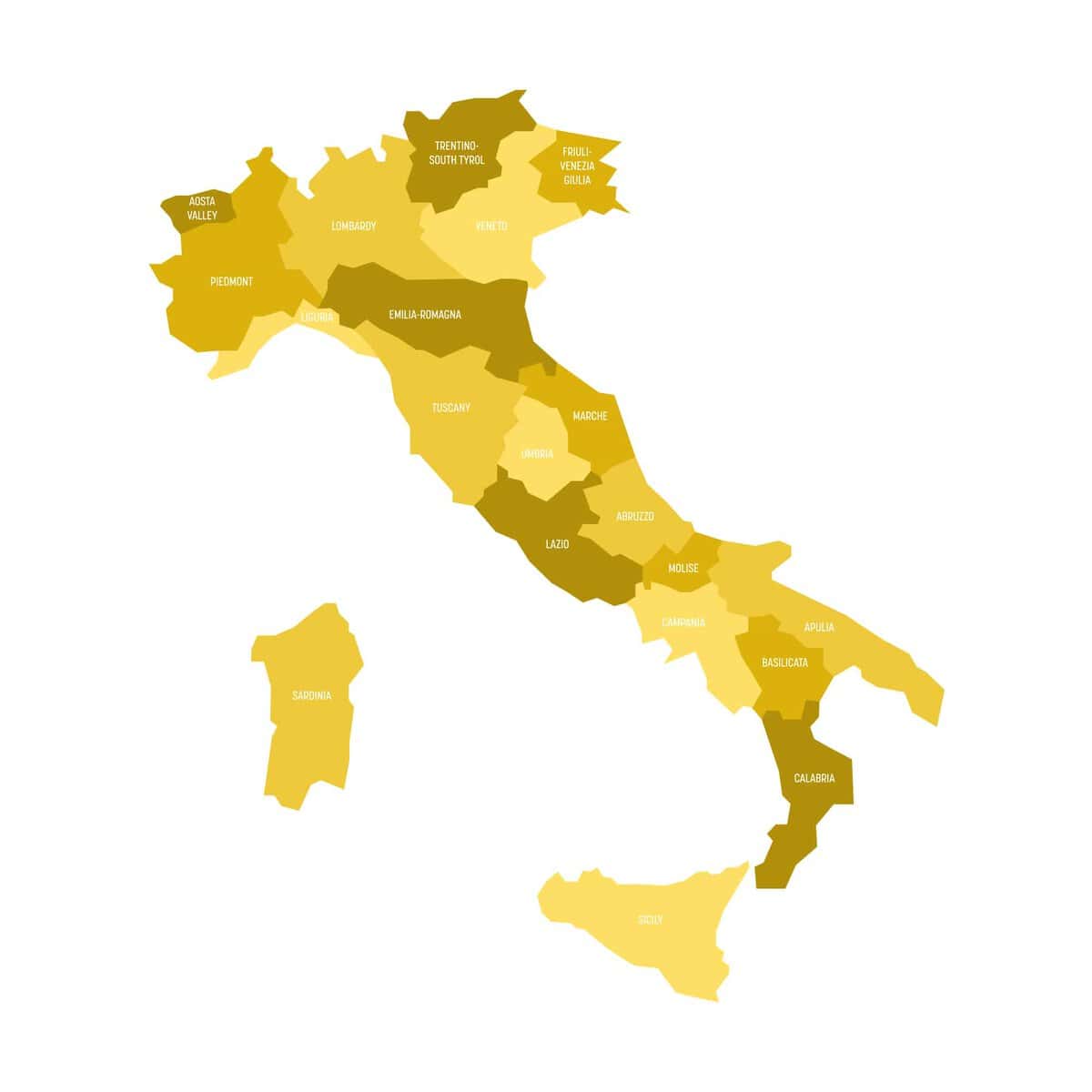
Northern Italy: Alps, elegance and gastronomic heavyweights
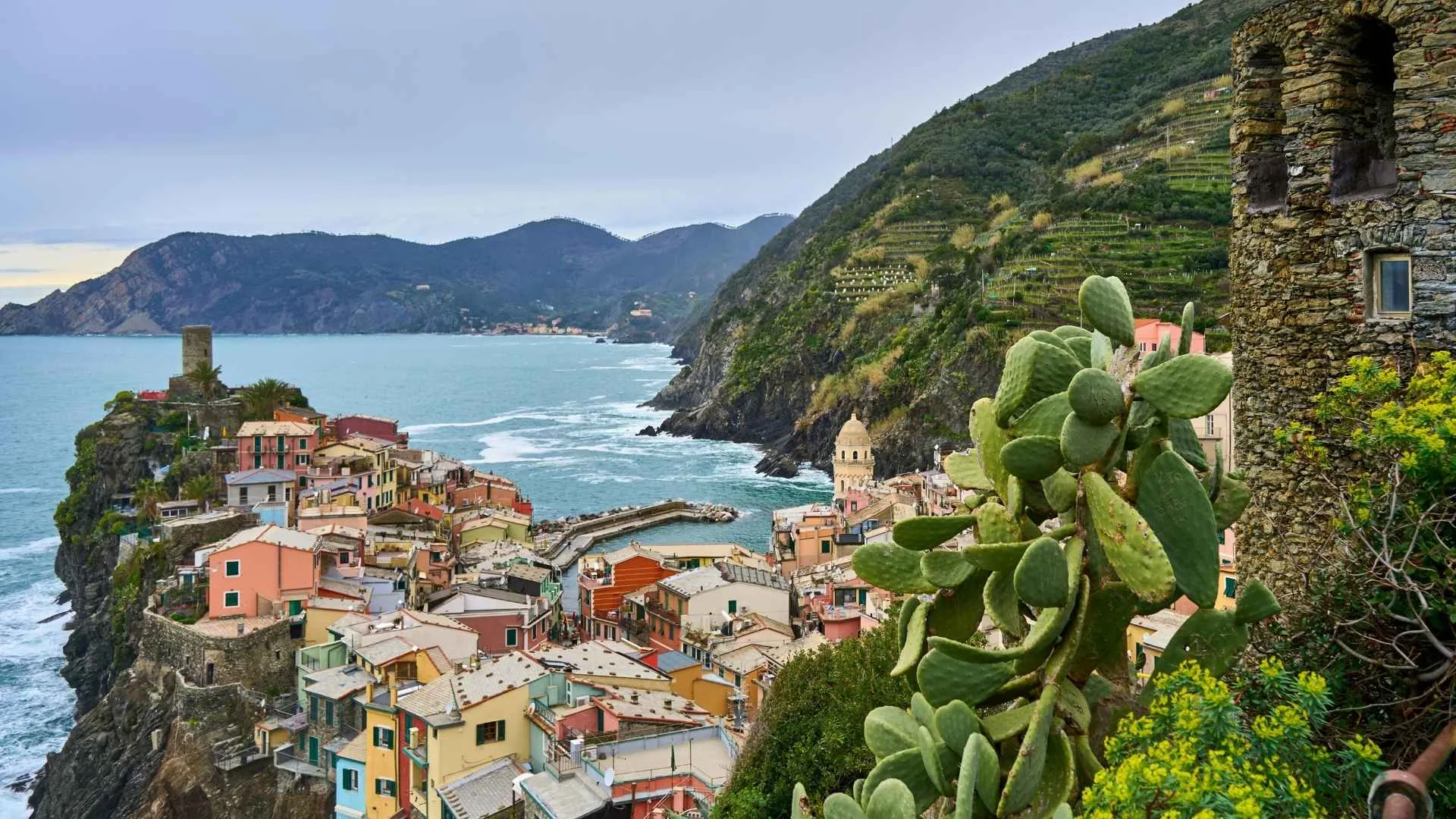
Northern Italy is characterized by towering quality, beautiful nature and a sophisticated lifestyle. Here, the raw Alpine nature meets Italian elegance. It is the natural place for a Travel Guide to Italy to begin.
The most popular regions in the north:
- Piedmont: The northwest corner is a mecca for gourmets. It is here that the great Barolo and Barbaresco wines are born, and where the white truffles of Alba attract foodies from all over the world. Experience the overlooked splendor of the city Turin, or stay at a charming farmhouse among the vineyards of Langhe.
- Veneto: More than just Venice. The region offers the romantic city of Verona, the UNESCO-protected Prosecco hills and a rich maritime food culture, where fresh seafood and crisp white wines go hand in hand.
- Lombardy: Here, the pulse of the big city in the fashion metropolis of Milan meets the ultimate tranquility of the great lakes – Como, Garda and Maggiore. Ideal for both luxury trips and active weekends.
- Trentino-Alto Adige: The least “Italian” Italy. Here in South Tyrol, Germanic order is mixed with Italian sweet lifeThe Dolomites offer skiing and absolutely world-class hiking, flanked by Michelin restaurants in the mountain huts.
- Emilia Romagna and Lombardy: Italy's undisputed food pantry. Parma ham, Parmigiano-Reggiano, balsamic from Modena and handmade, fresh pasta in Bologna. A region to be experienced with the taste buds.
Travel tip: Do yourself a favor and use Bologna as a base instead of just whizzing through. The city's authentic atmosphere and fantastic restaurants are in a league of their own.
Central Italy: Heritage, Renaissance and beautiful hilltops

This is where the classic postcard image of Italy comes to life. Central Italy delivers the perfect balance of art history and scenic tranquility.
The regions you need to know:
- Tuscany: Home to Florence, Siena and San Gimignano, the Tuscan landscape of cypress trees and rolling hills is iconic. People travel here to combine cycling or hiking with great wine experiences in Chianti or Brunello country.
- Umbria: Often called the “Green Heart of Italy”, it’s the perfect alternative to Tuscany if you’re looking for fewer tourists and more unspoiled nature. Towns like Assisi, Perugia and Orvieto ooze medieval charm.
- Le Marche (The Marches): An overlooked gem on the Adriatic coast, here you get the most beautiful hill towns, excellent white wines (like Verdicchio) and long sandy beaches without the big tourist crowds.
- Lazio: The region is centered around Rome, but also hides amazing Etruscan treasures, volcanic lakes and the rustic Roman country kitchen, where a real Carbonara or Cacio e Pepe reminds us how brilliant the simple cuisine is.
Southern Italy & the Islands: Authenticity, dramatic coasts and raw charm
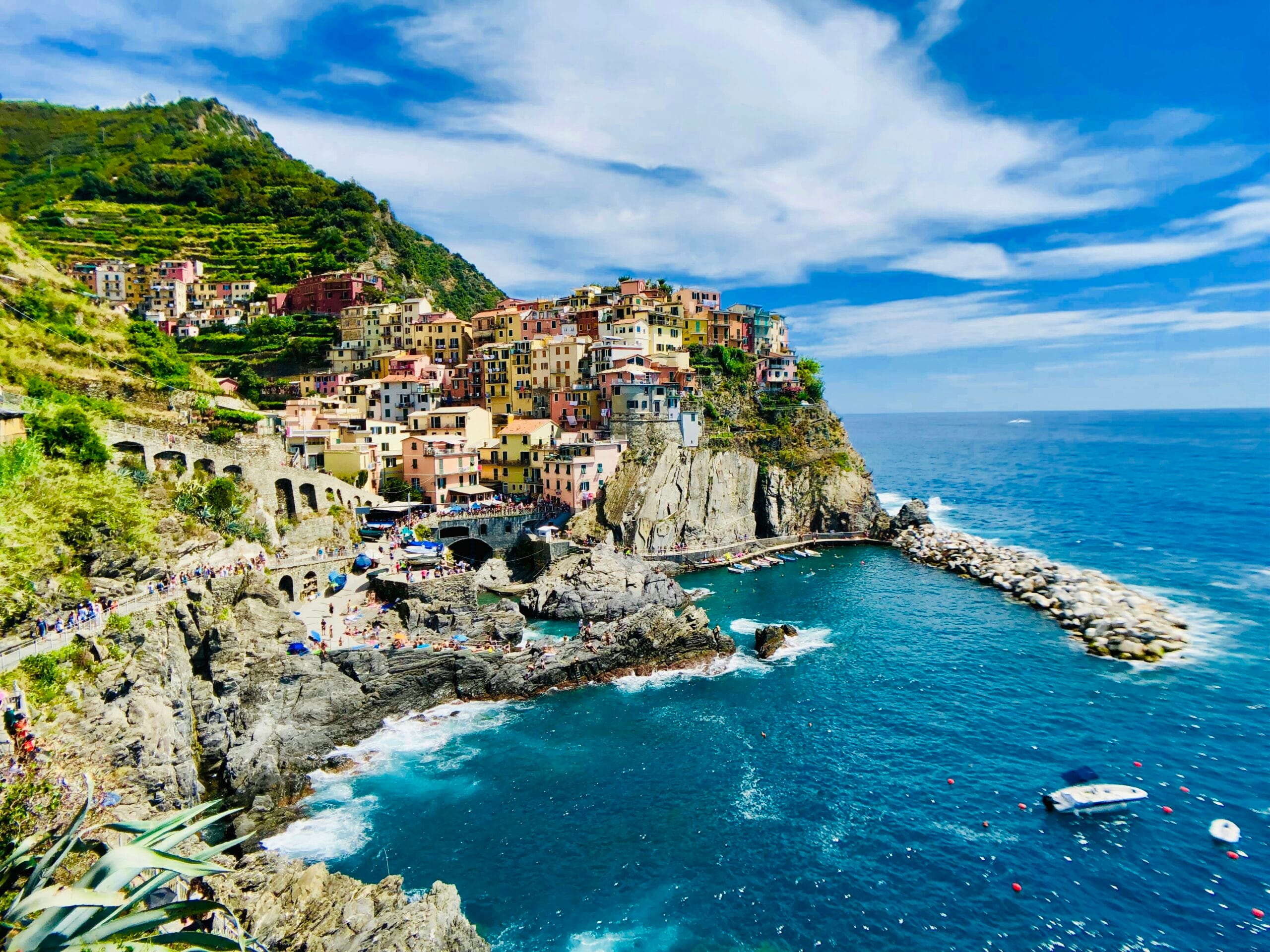
The further south you go, the more intense and unspoiled Italy becomes. Here, the pace slows down and the local hospitality increases.
Travel destination for adventurers and life enthusiasts:
- Campania: The region of contrasts. From the chaotic, energetic and deeply fascinating Naples (where pizza was born) to the exclusive and steep coastlines of Amalfi coast and the islands of Capri and Ischia.
- Puglia: The “heel” of Italy has become a favorite for quality-conscious travelers. Known for its whitewashed towns like Ostuni, the unique trullihouses in Alberobello, and kilometers of olive groves that produce some of the world's best olive oil.
- Sicily: The largest island in the Mediterranean is almost a country in itself. With Greek temples, Arab-Norman architecture, the active volcano Etna and a completely unique food culture (try the arancini og cannoli), Sicily requires time and contemplation.
- Sardinia: Known for its Caribbean-like beaches on the Costa Smeralda, the island's true heart lies in the mountainous interior, where ancient traditions live on and local produce is transformed into rustic, first-class meals.
- Calabria & Basilicata: For those who want completely unspoiled Italy. Experience the cave city Matera in Basilicata or the dramatic, empty coastlines of Calabria, where the strong 'nduja-salami excites the taste buds.
Seasons: When should you travel to Italy?
To get the best experience, it's all about timing your visit with your travel wishes.
| Season | Period | Ideal for | Why? |
| Spring | April–May | Cities, culture & Tuscany | Perfect temperatures (15-25°C), green landscapes and fewer queues at the museums. |
| Summer | June – August | Beach holiday & the Alps | Perfect for mountain hiking in the Dolomites or a beach holiday. The big cities can be very hot in July/August. |
| Fall | September – October | Wine tours, gastronomy & Southern Italy | Harvest season for wine and truffles. The sea in the south is still warm and the late summer sun is fantastic. |
| Winter | Nov – March | Skiing, city shopping & culture | Go on a skiing holiday in the north, or enjoy Rome and Florence without the crowds and at lower prices. |
Take the next step on your journey
Italy isn't about checking off a list of attractions; it's about finding your own favorite corner and letting yourself be carried away by the atmosphere.
Are you ready to plan your next Italian adventure? We've gathered in-depth guides, hotel recommendations, and insider tips for each region in this travel guide to Italy.
👉 Click here to explore our many articles about traveling to Italy and find your next destination
Here you can buy Italian wines directly from the winegrower
🎬 Watch the journey on film — 365 ways to travel the world Watch our film →